Polestar’s decision to stop selling new vehicles in the United States has left many American EV owners worried about what comes next for their cars, warranties, service access, and resale values.
The Swedish electric vehicle brand, which has major ownership ties to China’s Geely Holding Group, is pulling back from the U.S. market after running into federal restrictions tied to national security concerns. The move affects future model-year vehicles, including 2027 models and beyond, and has triggered anxiety among customers who recently bought or leased Polestar EVs.
At the center of the issue is the U.S. government’s Connected Vehicle Rule. The rule is designed to limit the sale of vehicles that use certain hardware or software linked to China or Russia, particularly systems involving cellular connectivity, Wi-Fi, Bluetooth, automated driving technology, and other connected-car features. U.S. officials have raised concerns that such systems could create cybersecurity or data privacy risks, especially if they allow remote access to vehicles or sensitive driver information.
Polestar’s connection to Geely appears to have placed the company under increased scrutiny. While some automakers have managed to restructure or separate parts of their software systems to satisfy regulators, Polestar’s connected and automated systems remain closely tied to the Geely ecosystem. That has made it more difficult for the company to continue selling future vehicles in the U.S. under the current rules.
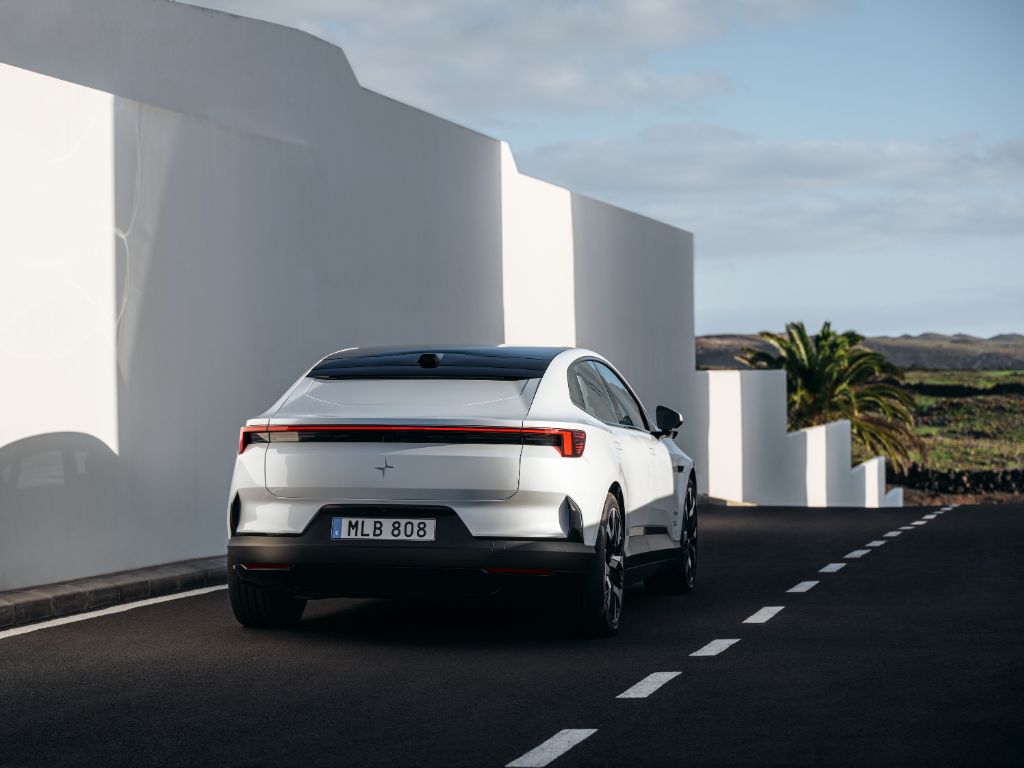
The timing is especially painful for owners and dealers. Polestar has built a small but loyal customer base in the U.S. with models such as the Polestar 2, Polestar 3, and Polestar 4. Now, many drivers are questioning whether their vehicles will lose value faster than expected and whether replacement parts and long-term service will remain easy to access.
Polestar says it will continue to honor warranties and provide service support for existing customers. The company has also said it will keep selling remaining Polestar 3 and Polestar 4 inventory in the U.S. at steep discounts until supplies are gone. While that may attract bargain hunters, it could also put more pressure on the used Polestar market, where current owners are already worried about declining resale prices.
Some customers feel blindsided. One Washington state owner who had recently purchased a certified pre-owned Polestar 2 described the announcement as a major financial blow, saying owners are being left to deal with the sudden drop in market confidence without compensation. For people who bought into Polestar expecting the brand to grow in the U.S., the decision feels like a sharp reversal.
Dealers are facing uncertainty as well. Retailers that invested in Polestar showrooms and service operations must now navigate a future without new model-year sales. Some dealers remain hopeful that Polestar will stand by its commitments, but they also acknowledge that the situation leaves both businesses and customers exposed.
Polestar’s U.S. challenges are not only regulatory. Company executives have also indicated that the brand’s American operations were not profitable. As a result, Polestar is shifting more attention to Europe, where electric vehicle demand remains stronger for the company and where it generates a larger share of its sales.
The situation highlights a growing problem for the EV industry: connected-car technology is no longer just a convenience feature. It has become a major political and security issue. Modern electric vehicles rely heavily on software, sensors, cloud services, navigation systems, driver-assistance tools, and wireless communication. As governments pay closer attention to where those systems are developed and who controls them, automakers with international ownership structures may face tougher barriers.
For current Polestar owners in the U.S., the biggest questions remain practical. Will parts remain available for years? Will service centers continue operating at a reliable level? Will software updates continue? And how much will the brand’s exit affect trade-in and resale values?
For now, Polestar is promising continued support, but customer confidence has clearly taken a hit. The company’s departure from the U.S. new-car market marks a dramatic turn for a brand once seen as a stylish Tesla alternative with Scandinavian design, premium performance, and a growing electric lineup.
Whether Polestar can rebuild trust with American owners will depend on how well it handles warranty claims, service needs, parts supply, and communication in the months ahead. For many drivers, the concern is no longer just about owning an electric vehicle. It is about owning an electric vehicle from a brand that may no longer have a future in the U.S. market.