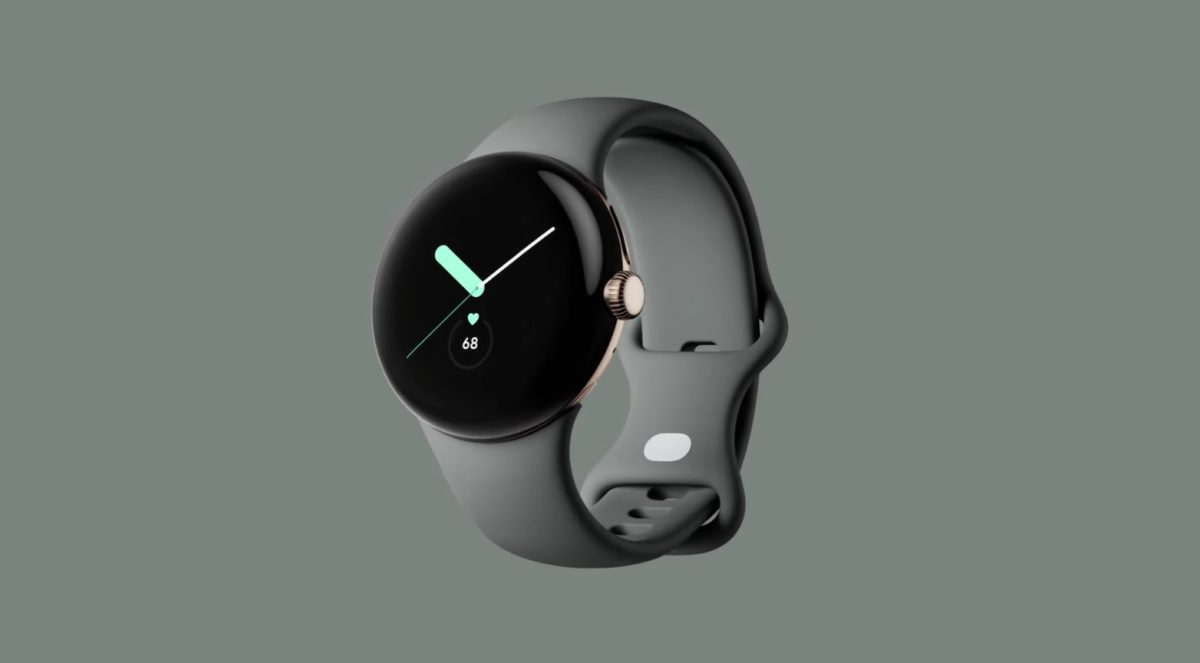
With the Google Pixel event just around the corner, excitement is building over what the latest Pixel devices will bring. While leaks have unveiled much about the upcoming phones, the Pixel Watch 4 has managed to remain enigmatic, with only a few hints about its color options and some design renders having surfaced. Now, as the launch nears, the rumor mill is buzzing with details that may not completely satisfy fans eager for groundbreaking advancements in the wearable realm.
Recent leaks about the Pixel Watch 4 offer less-than-thrilling news regarding its performance enhancements. Until now, information about the watch’s specifications has been limited, leaving many curious about Google’s plans for boosting its wearable technology.
Reports suggest the Pixel Watch 4 will follow the pattern of offering two sizes: a 45mm model, codenamed “Kenari,” and a 41mm version, known as “Meridian.” They’re also available in LTE and Wi-Fi-only models, and this time around, the naming convention seems to draw inspiration from a Star Wars theme. However, the most significant detail is Google’s decision to continue using the Snapdragon W5 Gen 1 chip, which was also present in the Pixel Watch 3 and 2. This means users hoping for substantial performance enhancements might be disappointed by the minimal gains.
The choice to stick with the current processor could be due to the lack of available alternatives, as Qualcomm’s promising new wearable platform isn’t ready yet. Switching to an Exynos chip doesn’t seem practical given Google’s plans to launch its custom chip for wearables next year. Plus, there’s uncertainty about the availability of the Exynos W-series chips for other manufacturers outside of Samsung.
Despite this, Google is focusing on improved battery life. The 41mm model will see a bump from 307mAh to 327mAh, and the 45mm version will increase to 459mAh, up from the previous 420mAh. Charging speeds are also expected to improve, although specifics remain undisclosed. Users can anticipate better performance on always-on displays.
While hardware upgrades may not be groundbreaking this year, enhancements in battery, software optimizations, and charging speeds could potentially enhance the user experience. However, those seeking significant performance boosts might consider waiting for next year’s releases.