Get ready for the future of tablets because Google is embarking on a new journey with its Pixel Tablet line. After re-entering the tablet market in 2023 with the innovative Pixel Tablet, Google appears to be planning something even bigger with the Pixel Tablet 3, anticipated for a 2027 launch.
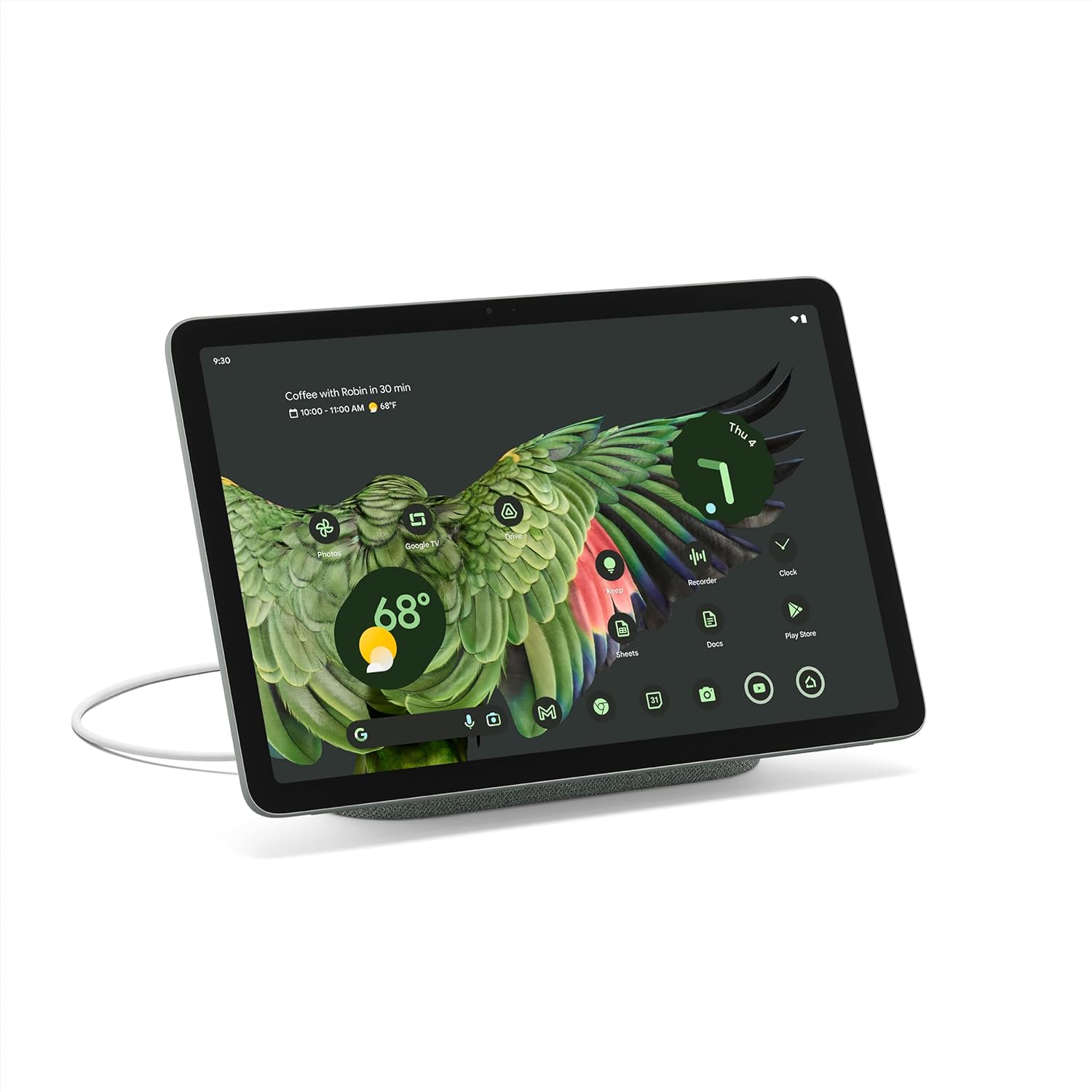
The original Pixel Tablet introduced a unique feature with its optional speaker charging dock, which turns the device into a smart display akin to the Google Nest Hub Max. This neat transformation occurs via pogo pins on the back, which essentially serve as a USB 2.0 connection. Leaked information now suggests that the upcoming Pixel Tablet 3 will continue to support these pogo pins, indicating the likelihood of a compatible dock.
But that’s just the beginning. One of the most exciting revelations is the addition of a second USB-C port to the Pixel Tablet 3. This new port is reported to adhere to USB 3.2 standards and will support DisplayPort output, enabling users to connect multiple displays. If daisy-chained, you could connect two displays; with the right setup, and up to four displays are possible. The design for this port positions it strategically opposite the chipset to streamline signal routing, emphasizing functionality.
The integration of this extra USB-C port hints at the Pixel Tablet 3’s potential as a productivity powerhouse. However, this potential hinges on Android evolving to offer productivity features robust enough to compete with traditional desktop operating systems.
Details have also emerged about the power source of this new tablet model. The Pixel Tablet 3 will feature the Tensor G6 chipset, a variation from the power-packed variant used in the Pixel 11 series. While a slight downgrade in processing might raise eyebrows, Google is exploring innovative ways to ensure efficiency. Reports indicate Google plans on utilizing TSMC for manufacturing these processors, instead of Samsung’s previous production methods, to refine performance differentiation.
Despite potential performance differences, the transitions Google is making in chip production reflect its commitment to quality and innovation. The upcoming Pixel devices, powered by varying versions of the Tensor G6, promise intriguing developments across their lineup, including the Pixel Tablet 3.
As Google continues to develop its tablet offerings, it could redefine user expectations and utility with the Pixel Tablet 3’s advanced connectivity and strategic functionality enhancements. Stay tuned for more as Google’s tablet saga unfolds, promising technology that’s set to enhance and elevate the user experience.