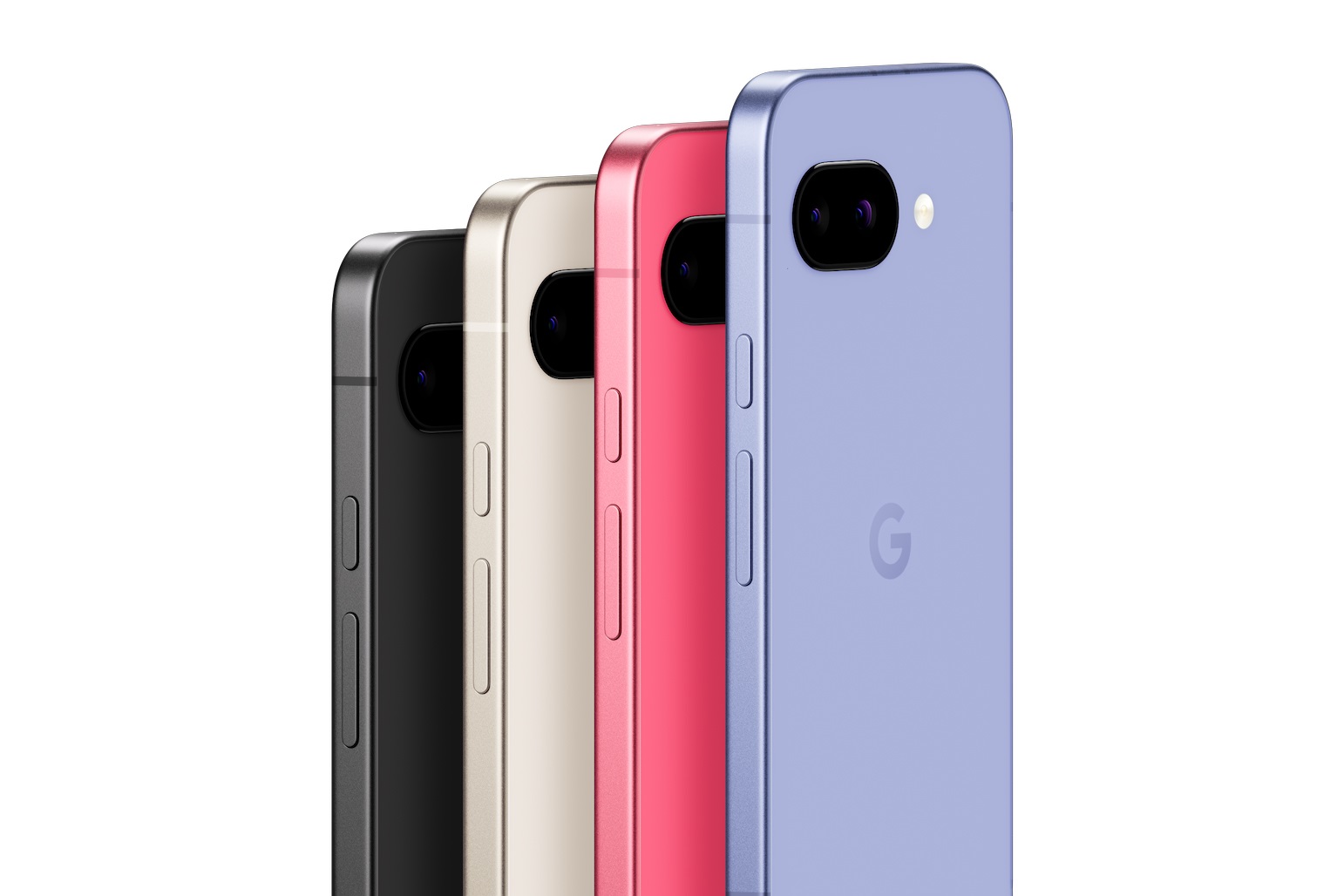
Google’s A-series has earned a following by borrowing last year’s flagship brains and delivering them in a budget-friendly body. A new leak suggests that game plan may change with the Pixel 10a. Instead of stepping up to the next-gen Tensor G5, the mid-ranger is reportedly set to launch with the older Tensor G4, paired with slower storage. That could be a tough sell unless the price is right.
According to the leak, the Pixel 10a carries the codename “stallion” and is tipped to feature a display capable of reaching up to 2,000 nits of peak brightness. That’s a meaningful upgrade for outdoor visibility and HDR content, and it’s one of the few specs that reads as an unequivocal win. Storage, however, is said to be 128GB on the UFS 3.1 standard rather than UFS 4.0. While UFS 3.1 is still perfectly serviceable, it’s slower for installs, large file transfers, and camera burst buffers compared to the newer standard many rivals are adopting.
The headline change is the chip. If true, a Tensor G4 inside the Pixel 10a would break from the A-series tradition of using the prior year’s top chip (in this case, the Tensor G5). On paper, that matters. The Tensor G5 is expected to be built on a more advanced 3nm N3P process, promising better power efficiency and cooler operation versus the Tensor G4’s Samsung 4nm process. Efficiency gains usually translate into steadier sustained performance, improved battery life, and fewer throttling episodes in gaming, 4K video capture, or on-device AI tasks.
Thermals are also a concern. Past Tensors have been criticized for heat, and a big factor cited was packaging. The Tensor G3 used Samsung’s IPoP (Integrated Package on Package) instead of a fan-out design like FOPLP, which tends to be more thermally efficient. The leak doesn’t confirm what packaging the Tensor G4 will use in the Pixel 10a, and there’s speculation the phone may skip a vapor chamber. If both of those points pan out, the device could run warmer than users would like under heavy loads.
Still, it’s not all doom and gloom. The Pixel 10a could retain the series’ hallmark strengths: clean Android, long update support, and excellent computational photography. The brighter display should be a daily quality-of-life upgrade, and Google’s software smarts often squeeze more out of modest hardware than spec sheets suggest. For many shoppers, consistent camera performance and a smooth everyday experience matter more than benchmark bragging rights.
The real deciding factor will likely be price. If Google positions the Pixel 10a aggressively, the trade-offs—a Tensor G4 instead of G5 and UFS 3.1 storage—may be easy to accept. But if the price creeps too close to flagship territory or to competitors offering newer chipsets and faster storage, the Pixel 10a could struggle to stand out.
Key takeaways from the leak
– Codename: “stallion”
– Chipset: Tensor G4 instead of Tensor G5
– Display: up to 2,000 nits peak brightness
– Storage: 128GB UFS 3.1
– Thermal concerns: packaging choice unknown; rumored lack of vapor chamber could impact heat and sustained performance
– Cost calculus: using a 4nm chip over a 3nm part likely helps Google hit a lower price point
As always with early specs, details can change before launch. If Google pairs these rumored components with a compelling price and its usual software magic, the Pixel 10a could still be a smart buy for mainstream users. If not, power-seekers may be better off waiting to see how the Tensor G5 performs in other models or looking at rivals that push newer silicon and faster storage at similar prices.