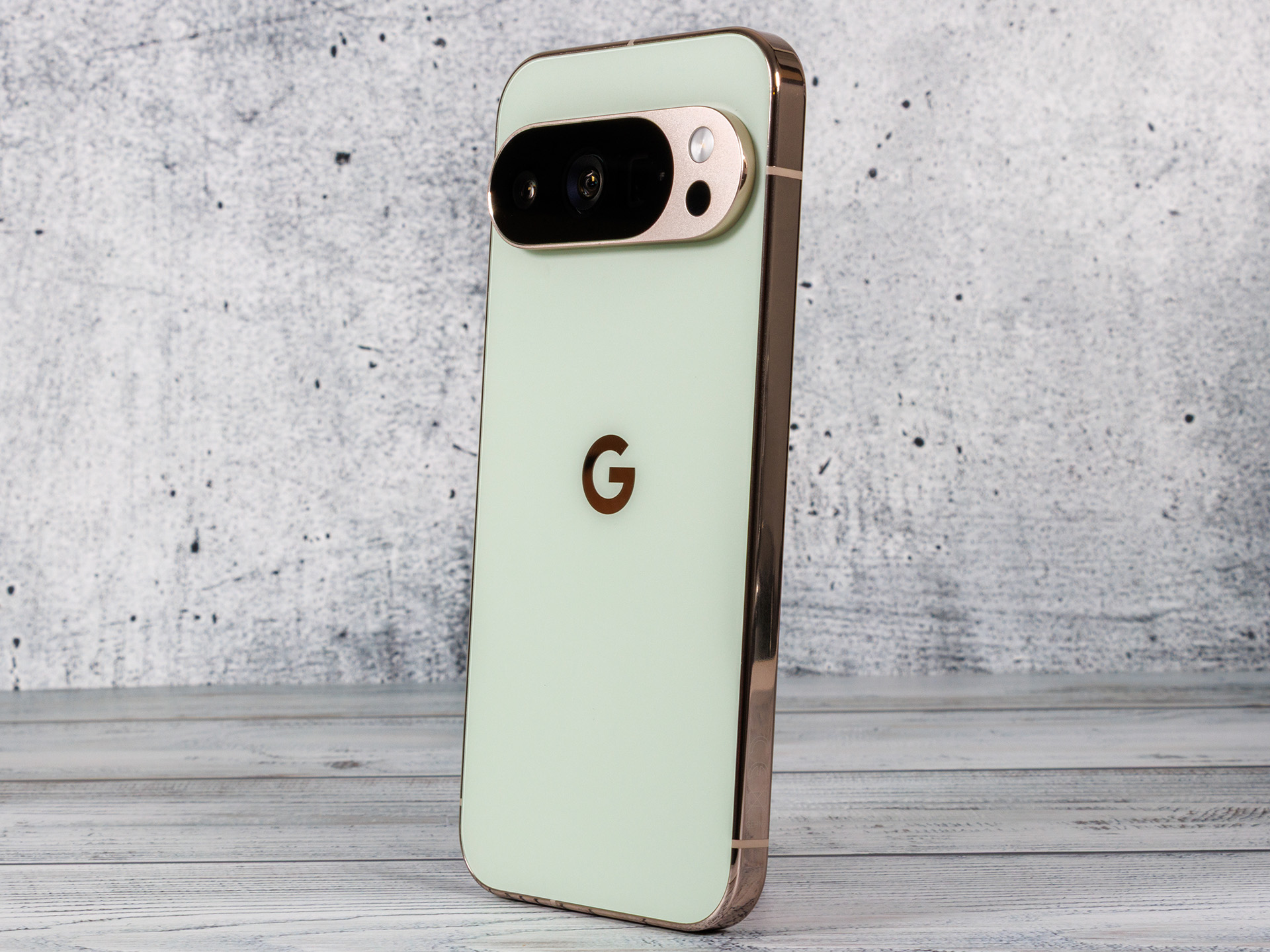
Google Pixel 10 Pro review: polished software, smart features, and a few surprising missteps
The Pixel 10 Pro aims to be the compact flagship that does it all. It certainly looks and feels the part, pairing premium materials with IP68 dust and water resistance. Build quality is largely excellent, though there are tiny panel gaps, and the frame can emit a faint creak if you twist it firmly—minor quirks that don’t spoil the overall high-end impression.
Connectivity and features are forward-looking. You get Wi‑Fi 7, Bluetooth 6.0, NFC, UWB, and Google’s new Pixelsnap magnetic system. There are a couple of practical caveats: the USB‑C port reads FAT32 and exFAT but not NTFS, and the UFS 4.0 storage behaves slower than expected in testing.
Where the Pixel 10 Pro shines brightest is software. Android 16 arrives with a seven‑year update promise, giving it one of the longest support windows among premium phones. AI tools are front and center, including Gemini, Circle to Search, and live translation. The idea is brilliant, but the execution can be hit‑or‑miss right now, with translation accuracy in particular needing polish. On the sustainability front, Google’s use of recycled materials, plastic‑free packaging, and stated support for repairability are commendable, though official spare parts were not yet available at the time of evaluation.
The display is a vivid OLED panel with excellent peak brightness and color accuracy, making it a pleasure for streaming and everyday use. Sensitive users, however, should be aware of PWM flicker. Even with the 480 Hz anti‑flicker option enabled, not everyone will find it sufficiently mitigated.
Photography remains a Pixel calling card. In good light, image quality is excellent, and the telephoto system delivers a strong zoom. The camera can stumble with very fine details and low‑light scenes, and AI‑assisted zoom images sometimes look overprocessed. New software tricks like Camera Coach feel more like novelties than must‑have tools, but the overall camera package is still one of the phone’s biggest strengths.
Performance is where the gap to rivals becomes clear. The Tensor G5 keeps day‑to‑day tasks smooth, but benchmarks and gaming tell a different story. Demanding titles like Genshin Impact don’t always maintain stable frame rates, and there’s no hardware-accelerated ray tracing. Battery life is solid for a full day of mixed use, yet charging speeds are merely average at 30 W wired and 15 W wireless—fine, but not flagship‑leading.
Who the Pixel 10 Pro is for:
– Android fans who value seven years of updates and clean, smart software
– Users who prioritize camera quality in daylight and a powerful zoom
– Anyone seeking a compact, premium build with modern connectivity like Wi‑Fi 7 and UWB
– Eco‑conscious buyers who appreciate recycled materials and repairability initiatives
What may give you pause:
– Performance that lags behind top-tier competitors in benchmarks and heavy gaming
– PWM flicker sensitivity despite a 480 Hz anti‑flicker mode
– Average charging speeds and a USB‑C port that can’t read NTFS drives
– AI features that still feel a bit unrefined, especially live translations
Verdict
The Pixel 10 Pro nails the essentials that matter to many people: a refined design, thoughtful software, class‑leading update support, and a camera that’s easy to trust in everyday situations. If you’re chasing the fastest chip, the smoothest high‑refresh gaming, or the quickest charging, stronger options exist. But for users who value longevity, AI‑first features, and Google’s unmistakable imaging style, the Pixel 10 Pro remains a compelling premium choice—just shy of the absolute performance elite.