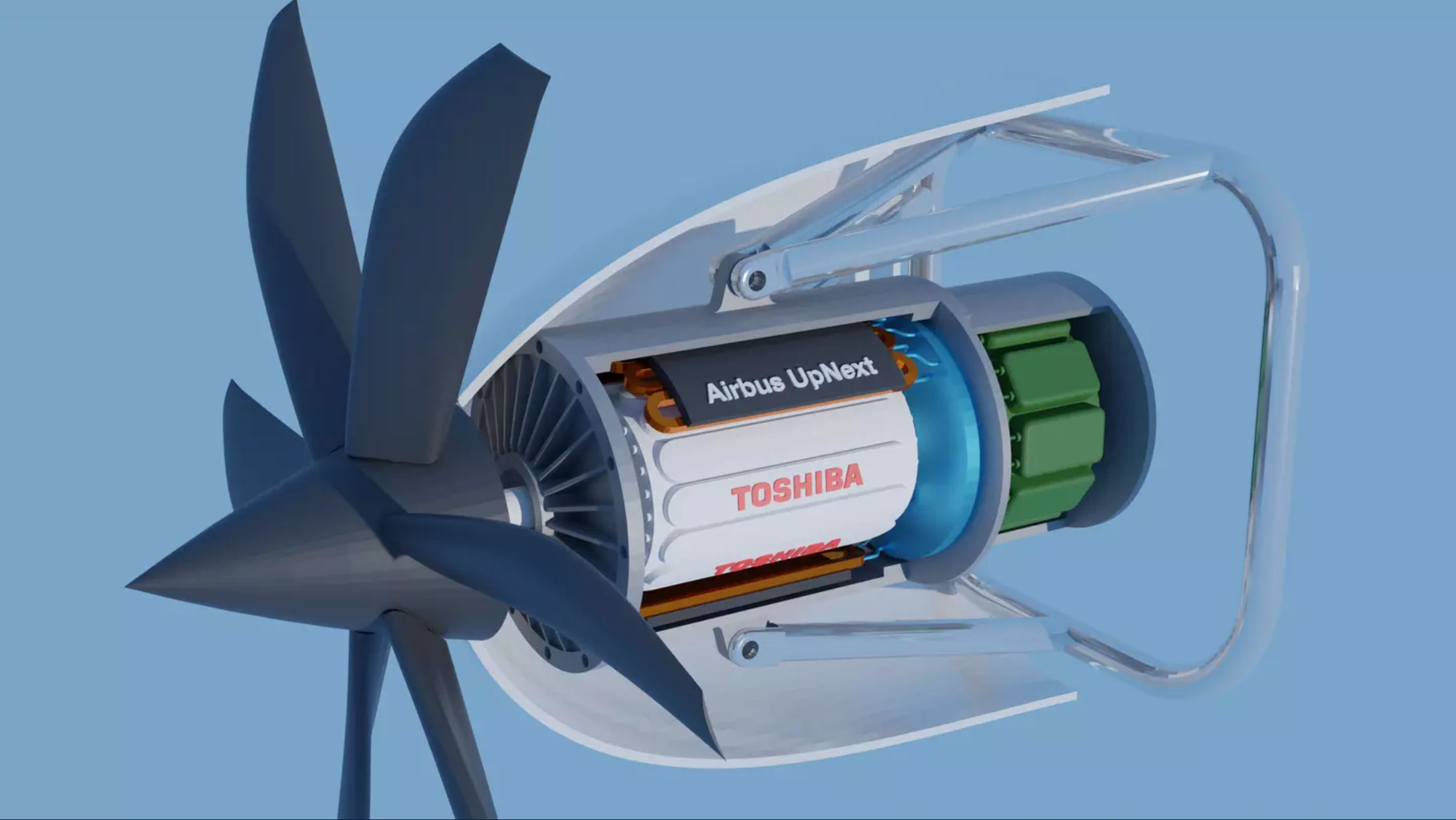
In a groundbreaking collaboration, Airbus and Toshiba Energy Systems & Solutions Corporation are joining forces to develop cutting-edge superconducting technology specifically for hydrogen-powered planes. This partnership is setting the stage for an aviation revolution aimed at drastically improving electric propulsion efficiency and steering the industry towards the ambitious goal of achieving net-zero emissions by 2050.
The initiative is being spearheaded by Airbus UpNext, a forward-thinking arm of Airbus tasked with exploring innovative technologies. The focal point of this venture is the creation of a two-megawatt superconducting motor, a potential game-changer in aviation propulsion. This motor will harness the unique properties of superconductors, which allow electricity to flow with virtually zero resistance, thereby maximizing energy efficiency.
A significant advantage of this technology is its integration with liquid hydrogen, a dual-purpose element that serves as both fuel and a cooling agent when chilled to -253°C. This dual functionality not only powers the aircraft but also ensures near-perfect power transmission, enhancing overall system performance and efficiency.
Grzegorz Ombach, Senior Vice President at Airbus, expressed enthusiasm about the collaboration, highlighting that the partnership with Toshiba opens new frontiers in electric motor capabilities. Such advances could dramatically alter the landscape of aircraft design, making strides toward sustainable aviation.
The alliance between these two industry giants was cemented at the Japan Aerospace event in 2024 and represents a significant step forward in delivering practical solutions to decarbonize the aviation sector. As the world looks towards a greener future, innovations like these will be crucial in setting new standards for eco-friendly travel.