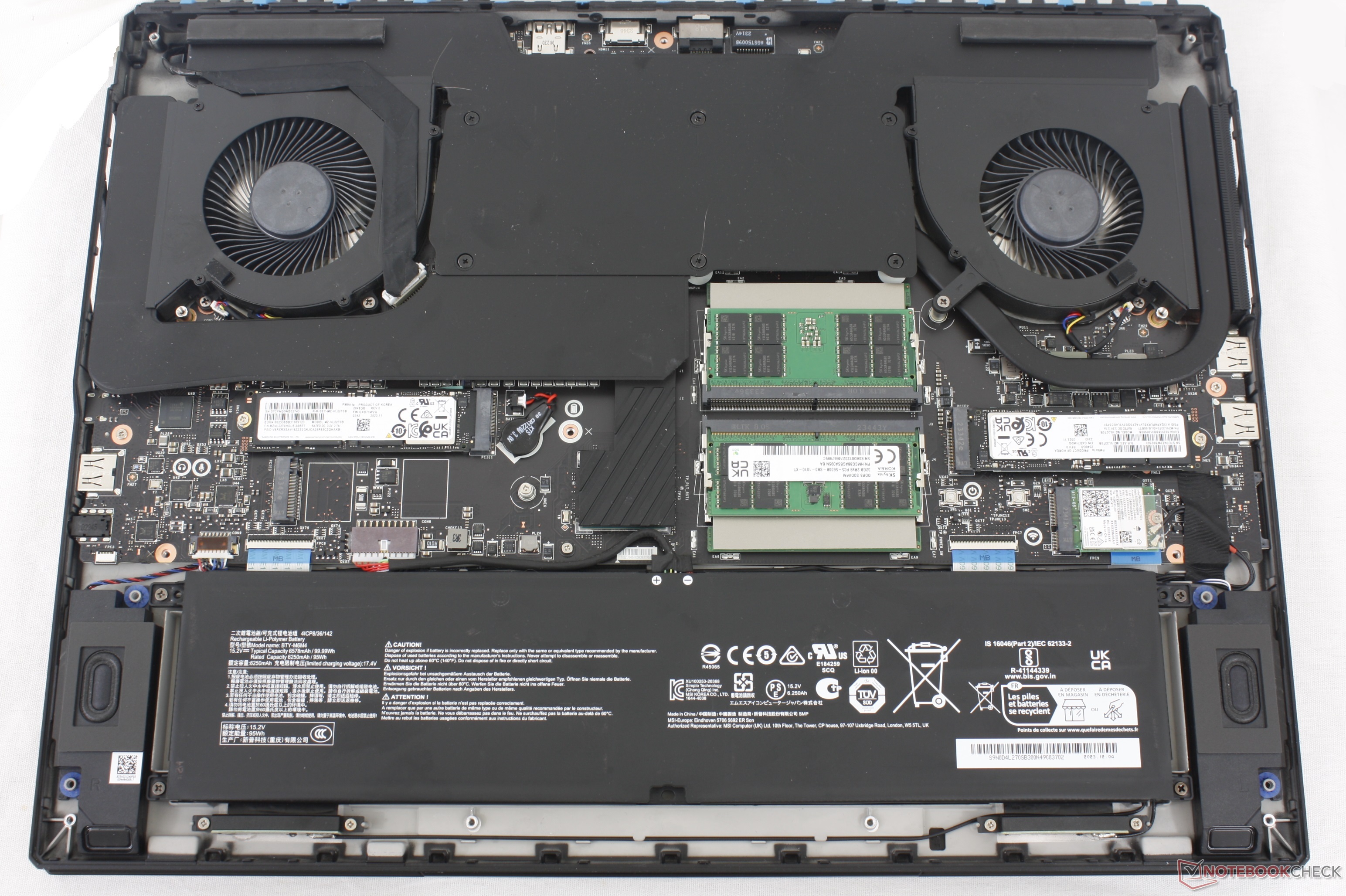
The Samsung PM9A1a SSD, model identifier MZVL22T0HDLB-00BT7, is an OEM client storage device that offers substantial speed and capacity for users seeking enhanced storage solutions. When deployed in a RAID 0 array, two of these 2TB M.2 SSDs collaborate to provide an impressive total capacity of 4TB. The advantages of this configuration include significant performance improvements over using a single drive. However, users should be aware of the heightened risk of data loss with RAID 0 arrays due to their lack of redundancy.
Specifications at a Glance:
– Type: SSD
– Form Factor: M.2 2280
– Total Capacity: 4096 GB (In RAID 0 Configuration)
– Interface: NVMe
– Controller: Samsung Elpis
– Announcement Date: 26.02.2021
Performance Metrics:
In various benchmark tests, the RAID 0 array consisting of two Samsung PM9A1a SSDs demonstrates remarkable performance. For instance, in sequential read and write operations, the drives achieved scores that pitch them among the top-tier storage options. Access time writes and reads recorded were nearly instantaneous, reflecting the speed benefits of this setup.
Comparative Analysis:
When rating the performance, these SSDs in a RAID 0 configuration exhibited superior results compared to a myriad of other storage drives including traditional spinning hard disks, other SSD models, and even single SSD configurations. Notably, these Samsung SSDs outperformed competitors like Toshiba, Intel, and Lite-On across varied metrics such as 4K read/write speeds and sequential transfer rates.
Conclusion:
For users seeking to expand their system’s storage without compromising speed, the combination of two Samsung PM9A1a SSDs in a RAID 0 configuration proves to be a formidable choice. The performance boost over a single drive configuration is evident, catering well to high-demand scenarios like gaming, large data transfers, and intensive applications. However, it’s important for potential adopters to consider the associated risks and ensure they have a robust backup solution to mitigate any potential data loss.In today’s rapidly evolving world of technology, staying up-to-date with the latest benchmarks of devices is crucial for tech enthusiasts and professionals alike. However, acquiring the most current benchmarking data can often be a challenge, especially when such information is not readily available.
The quest for fresh benchmarks typically begins with an attempt to redirect to a server that specializes in delivering these statistics. Once redirected, the information retrieval process involves a series of steps to ensure the most accurate and recent data is accessed. This may include checking the cache system to see if recent benchmarks are stored.
Unfortunately, caches may not always provide the numbers for the latest devices, especially if the cache has not been updated recently. When the cached data is older than a few days, the process of obtaining uncached values becomes necessary. This step involves going beyond the stored data to fetch the most current performance scores directly from testing and benchmarking platforms.
Accessing uncached benchmarks involves a more detailed search to gather individual performance metrics, as well as average scores for various devices. During this stage, a complex exchange of requests and responses occurs, retrieving data points that offer insights into the performance of the latest hardware.
This process can be quite resource-intensive and time-consuming, as it entails multiple queries over seconds to compile a comprehensive data set. The unavailability of cached benchmarks necessitates a direct and real-time acquisition of scores to ensure the reliability and relevance of the information.
The eventual compilation of minimum, maximum, average, and median benchmarks provides a nuanced understanding of a device’s performance. This meticulous process is conducted to help users make informed decisions when considering the purchase or use of tech products.
In summary, retrieving the latest benchmark data is an intricate process that requires bypassing older cached results to secure the most recent and relevant information. This ensures that users have access to performance metrics that reflect the current capabilities of the devices in question.