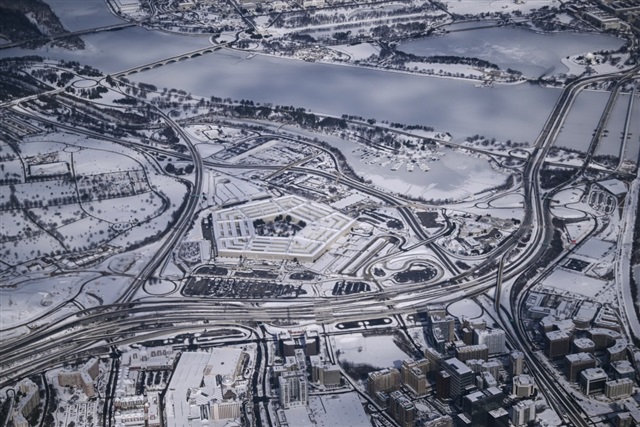
The U.S. Department of Defense briefly posted an updated list of Chinese companies it says have links to the People’s Liberation Army, only to pull the document down less than an hour later. The short-lived publication has quickly drawn attention because it comes at a sensitive moment for U.S.-China relations, where Washington is trying to walk a tightrope between reducing trade friction and keeping a firm stance on technology and national security.
According to the post, the now-withdrawn update included major Chinese names such as Alibaba, BYD, and Baidu. Even though the Pentagon removed the list quickly, the incident underscores how closely markets and policymakers watch any official U.S. action involving Chinese firms, especially those operating in critical areas like artificial intelligence, electric vehicles, cloud services, consumer data, and advanced computing.
The timing is also notable. The move is happening ahead of an expected April meeting between President Donald Trump and Chinese President Xi Jinping. With that diplomatic milestone approaching, the U.S. appears to be signaling two priorities at once: easing broader trade tensions with Beijing while continuing to apply pressure where it believes national security and strategic technology are at risk.
This episode also illustrates how fast-changing U.S. policy signals can be when it comes to China-related tech scrutiny. A list that appears and then disappears within an hour can still shape headlines and speculation, raising questions about internal decision-making, messaging strategy, and how future actions might unfold as high-level talks draw nearer.
For businesses, investors, and consumers tracking U.S.-China trade policy, the key takeaway is that technology and security measures remain central to the relationship—even when both sides are looking for ways to cool down economic tensions.