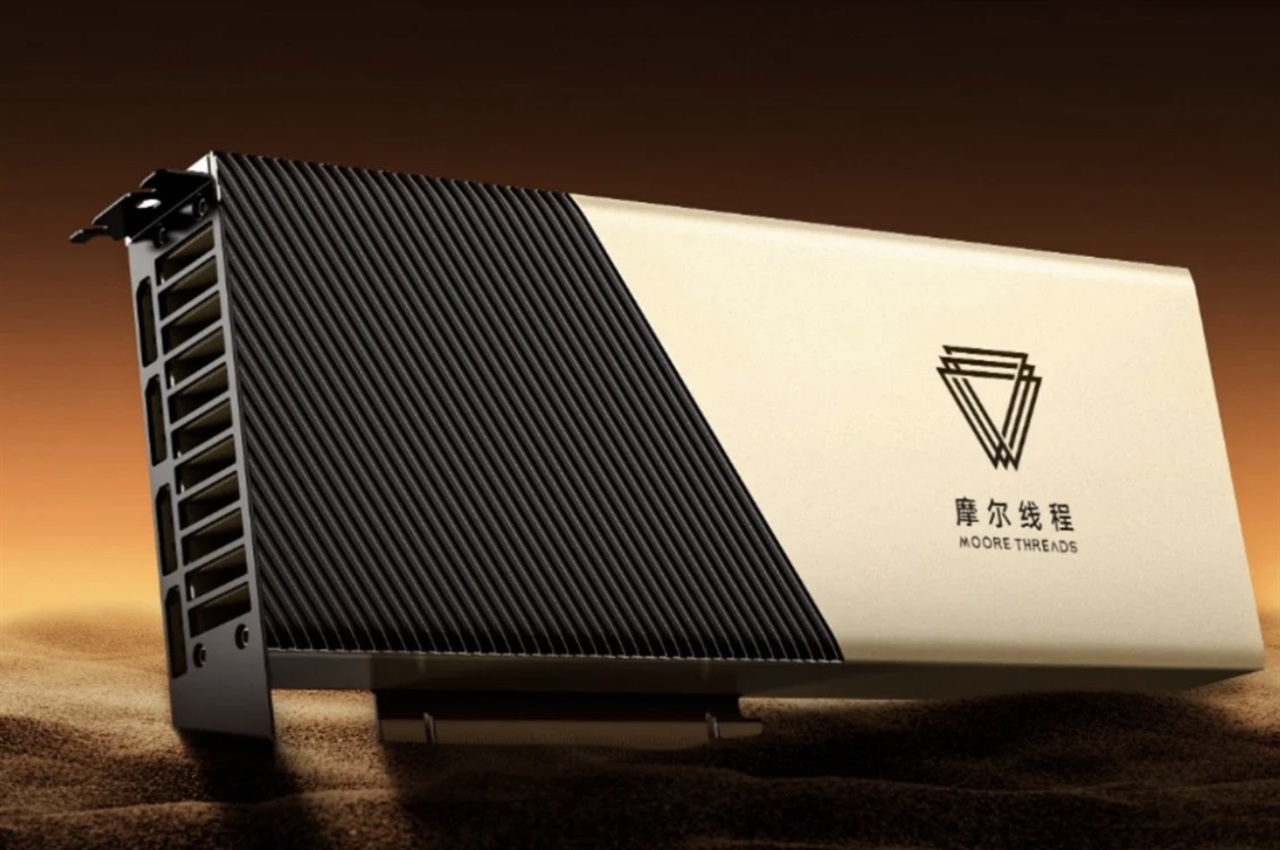
China’s homegrown GPU industry didn’t slow down for the Lunar New Year. While most businesses paused for the holiday, several of the country’s leading domestic graphics chipmakers stayed on standby, working around the clock to keep pace with a rapidly changing AI landscape.
Moore Threads, MetaX, Iluvatar CoreX, and Biren Technology have been actively adapting their GPU chips to support newly released large AI models. That push matters because as fresh models arrive, developers and enterprise customers often need immediate compatibility, stable performance, and reliable tooling to deploy them at scale. The faster a GPU platform can be tuned to run new models efficiently, the quicker it can win real-world workloads in data centers and AI labs.
This behind-the-scenes effort highlights a key trend shaping the AI hardware race in 2026: performance isn’t just about raw computing power anymore. Inference readiness—how well chips can run trained models in production—has become a major battleground. Companies that can rapidly optimize software stacks, improve drivers, and adapt to new model architectures stand to gain an edge, especially as demand for AI inference accelerates across industries like finance, manufacturing, retail, and government services.
The timing is also significant. Large models continue to evolve quickly, and each new release can introduce different requirements for memory, compute scheduling, precision formats, and optimization techniques. For GPU makers, staying “model-ready” can mean the difference between being considered for deployments or being left out of procurement cycles entirely.
By remaining on standby through the holiday period, Moore Threads, MetaX, Iluvatar CoreX, and Biren Technology are signaling how seriously they’re taking the challenge of running the latest large models smoothly—and how competitive China’s domestic GPU market is becoming as it races to power next-generation AI applications.