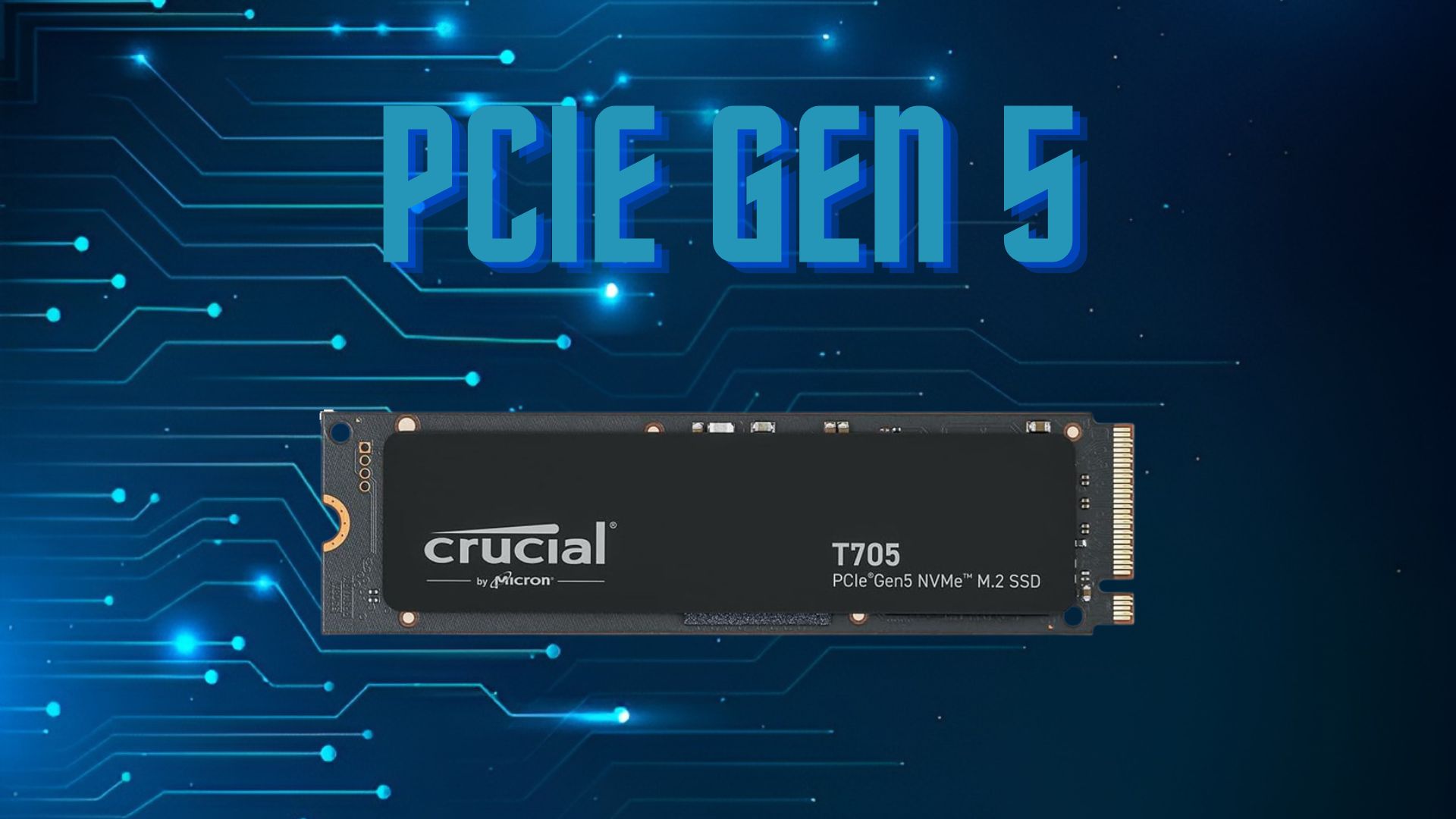
PCIe 5.0 SSDs are set to dominate the consumer market for quite a while, and it’s all about meeting current needs. The CEO of Silicon Motion revealed why we won’t see PCIe 6.0 SSDs anytime soon.
The continued relevance of PCIe 5.0 SSDs is largely due to their impressive speed boost over PCIe 4.0, nearly doubling transfer speeds. The consumer market hasn’t yet fully embraced PCIe 5.0, so there’s no pressing demand for even faster drives. Wallace Kou, CEO of Silicon Motion, shared that major PC manufacturers are not interested in PCIe 6.0 at this point, and tech giants like AMD and Intel aren’t even discussing it.
Silicon Motion remains in a strong position within the industry and doesn’t see the necessity to jump into PCIe 6.0 SSDs. The cost of producing PCIe 5.0 SSDs is already high, significantly higher than PCIe 4.0 due to increased manufacturing costs. PCIe 6.0 would only drive these costs higher, with the potential for a 25 to 30% increase over Gen 5.0 controllers, owing to more complex production processes.
We’re looking at the earliest possible arrival of PCIe 6.0 SSDs around 2027 or 2028, primarily targeting the enterprise market, spurred by upcoming advancements like NVIDIA’s Rubin release. For everyday consumers, though, PCIe 6.0 isn’t a necessity. Many users still haven’t transitioned to PCIe 5.0, and those who have don’t see much noticeable benefit over PCIe 4.0.
Adoption of the PCIe 6.0 standard would also mean higher system costs, adding to the already pricier motherboards equipped for Gen 5.0. So, expect PCIe 5.0 SSDs to comfortably hold their ground in the market for at least the next five years.