Panasonic is building a next-generation electric vehicle battery it says could be ready by 2027, promising up to a 25 percent increase in driving range without making packs heavier or larger. That kind of jump squarely tackles range anxiety, offering more miles between charges while keeping vehicles the same size and weight.
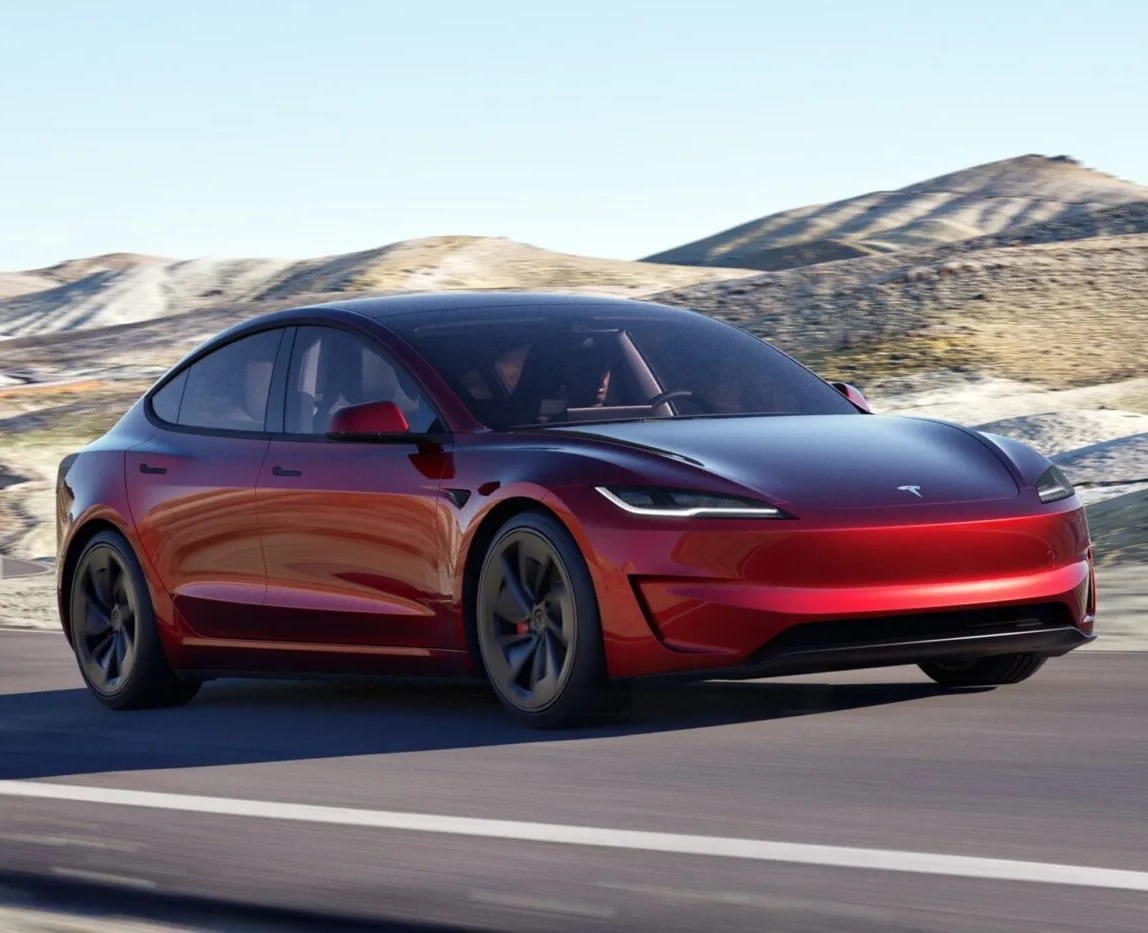
The breakthrough hinges on an anode-free manufacturing approach. Instead of installing an anode inside each cell during assembly, the battery forms a lithium metal anode during its first charge. By skipping a built-in anode, Panasonic can pack more active cathode material into the same volume, boosting energy density and, ultimately, range. In real-world terms, a 25 percent improvement could add around 90 miles (145 km) to a Tesla Model 3, bringing the compact sedan near 450 miles per charge if battery pack size remains the same.
Panasonic also says it’s investigating ways to reduce material costs by using less nickel in the cell chemistry. Cutting back on expensive ingredients could make production more cost-efficient, though the company hasn’t committed to whether those savings will translate to lower sticker prices for EV buyers.
Why this matters
– Higher energy density means longer range without bigger, heavier battery packs.
– Forming a lithium metal anode during the first charge is a meaningful step toward lithium metal performance, a long-anticipated route to extended range.
– A 25 percent range boost could make mainstream EVs more practical for road trips, reducing charging stops.
– Using less nickel may help stabilize supply chains and improve cost efficiency over time.
What to watch next
– Pilot production and independent testing to validate cycle life, safety, and fast-charging capability—key hurdles for lithium metal approaches.
– Automaker adoption timelines and which models are first to use the upgraded cells.
– Pricing signals as manufacturing scales and material strategies evolve.
If Panasonic meets its 2027 target, the next wave of electric cars could deliver significantly longer range in familiar form factors. That would lower barriers for first-time EV shoppers, speed up adoption, and reshape what drivers expect from battery-powered vehicles.