Amazon buyer opens RTX 5080 box to find a brick — here’s how the scam works and how to protect yourself
Waiting months to upgrade a GPU should end with a glorious first boot, not a facepalm. For one PC gamer, unboxing day turned surreal when a neatly sealed anti-static bag inside an RTX 5080 box contained a brick instead of a graphics card.
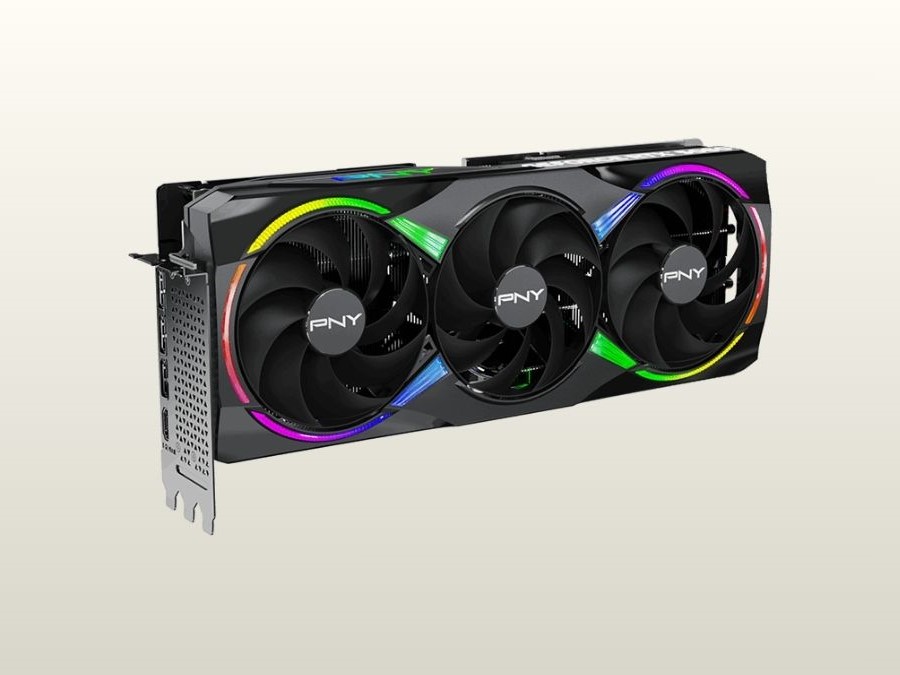
The story comes from a Reddit post by user GlassHistorical5503 in the PC Master Race community. They shared a photo of the RTX 5080 retail packaging they ordered and explained that, upon opening it, they discovered construction material carefully packed where the GPU should have been. The order, according to the post, was placed through the PNY store on Amazon, which makes the situation even more alarming because it points to a possible swap somewhere along the supply chain rather than a shady third-party listing.
Why a brick? Because it’s the perfect decoy. A typical brick weighs around two to three kilograms, which is strikingly similar to the weight of a high-end graphics card and its packaging. That weight parity can help fraudulent swaps slip past automated shipping checks that flag major discrepancies between expected and actual package weights.
Unfortunately, this isn’t an isolated incident, at least if similar community reports are to be believed. In one case from the Netherlands, a customer who ordered an RTX 5090 said they found pasta and rice in the box. Another buyer reported receiving blocks of metal instead of an RTX 4090 from a different retailer. While these claims come from user reports, the pattern is consistent: counterfeit contents that mimic the expected weight to dodge detection.
The affected customer in this latest case says they’ve already filed for a refund through Amazon and is hoping to finally receive a legitimate RTX 5080 to replace the one that never arrived.
If you’re planning a big-ticket PC upgrade, here are practical steps to reduce your risk and strengthen any claim if something goes wrong:
– Record the unboxing from the moment you receive the sealed package. Capture shipping labels, seals, and the first break of any tape or shrink wrap. It’s boring, but invaluable evidence.
– Check the weight listed on the carrier’s tracking details against what the product should roughly weigh. Large discrepancies can be a red flag.
– Inspect exterior packaging carefully. Look for re-taped seams, mismatched glue, torn or re-applied security seals, and scuffs around openings.
– Examine the anti-static bag. Many GPUs ship in heat-sealed or tamper-evident sleeves; a simple open-and-close bag or one with odd tape is suspicious.
– Verify serial numbers. On many cards, the serial on the box should match the label on the GPU itself. If they don’t match, something’s off.
– Keep every piece of packaging. Don’t toss inserts, bags, foam, or stickers until you’ve tested the product and confirmed it’s genuine.
– Act fast if anything seems wrong. Contact the retailer immediately with photos and your unboxing video. Document the issue in writing and follow the platform’s return or buyer-protection process. If you paid by credit card, your issuer may also offer dispute options.
High-end GPUs are enticing targets because of their value, limited availability, and the ease with which bad actors can exploit automated checks. While the vast majority of orders arrive exactly as expected, vigilance on delivery day can save you weeks of frustration and help ensure a smooth resolution if the worst happens.
For the unlucky buyer who unboxed a brick, the refund is reportedly in motion. With any luck, their next package will contain the powerhouse GPU they’ve been waiting for—and not another piece of construction material masquerading as cutting-edge silicon.