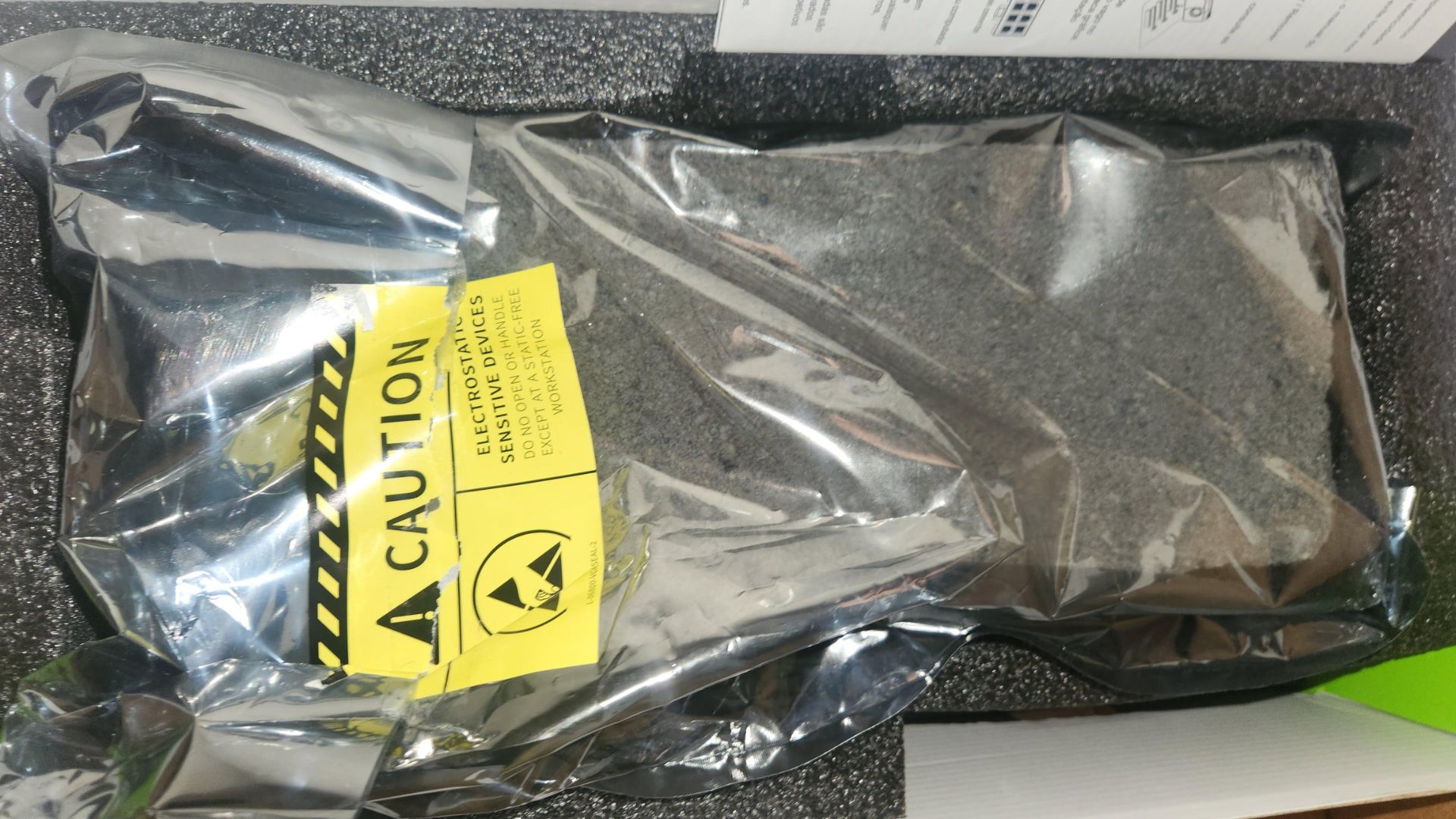
Amazon has closed the book on a bizarre GPU delivery saga, issuing a full refund to a customer who says they ordered an RTX 5080 and unboxed a neatly packed brick instead. The story, originally shared by a Reddit user in the PC building community, quickly went viral as gamers and tech enthusiasts questioned how such a mix-up could slip through the cracks of a major retailer’s logistics.
According to the buyer, the order was placed for a PNY GeForce RTX 5080 sold by Amazon for roughly $1,000. When the package arrived, the anti-static bag inside didn’t hold a graphics card at all—just a brick cut to roughly the right size and weight. As far as nightmare unboxings go, this one checks all the boxes: high price, high stakes, and the kind of shock that spreads like wildfire online.
The refund eventually came through, but it wasn’t effortless. The customer said Amazon’s investigation involved multiple calls, requests for proof, and a bit of back-and-forth before the case was resolved. In the end, the company took the “item” back and processed the refund, preventing the customer from taking a financial hit for what appears to be a case of mail fraud.
How could a brick pass for a next-gen GPU? Community speculation centered on return and restocking vulnerabilities. Some pointed to potential abuse of fulfillment systems, where returned products may be repackaged and shipped back out without thorough inspection. Others suggested a classic swap-and-return scam: buy the real GPU, remove the hardware, replace it with something of similar weight, and send it back. Because the brick’s mass was close enough to the expected weight of an RTX 5080, automated checks likely didn’t flag anything unusual.
Unfortunately, this isn’t a one-off anomaly. Over the years, buyers have reported receiving everything from bags of pasta to metal blocks in place of high-end graphics cards. Big-ticket PC components are prime targets for return fraud because they’re valuable, compact, and relatively easy to mimic in weight and shape.
If you’re planning a major GPU upgrade, a few simple precautions can dramatically reduce the risk of getting burned:
– Prefer items sold and shipped by the retailer, especially for expensive components.
– Record your unboxing in a single, continuous video, from opening the shipping box to verifying the contents. Make sure labels and serial numbers are clearly visible.
– Inspect packaging seals and anti-tamper stickers before breaking them. Look for wrinkles, reseals, or mismatched tape.
– Verify the GPU’s serial number with the card maker’s database or support team to confirm authenticity and warranty status.
– Test the card immediately on arrival and register it with the manufacturer, so you have documentation tied to your purchase date.
– Save all packaging, labels, and receipts until you’ve confirmed the hardware is genuine and fully functional.
– If something looks off, contact customer support right away and provide photos or your unboxing video to streamline the investigation.
In this case, the story ends on a relatively positive note. The buyer received a full refund and replaced the card through another retailer. Still, the episode is a timely reminder for gamers and creators investing in premium hardware: treat every high-value delivery like a verification checkpoint. With a bit of diligence—plus video evidence when it counts—you can protect yourself against the rare but costly possibility of receiving a high-priced brick instead of the powerhouse GPU you paid for.
Key takeaways for searchers: if you’re researching what to do after receiving the wrong item from a retailer, how to avoid GPU delivery scams, or how to document an unboxing for a refund claim, the most effective steps are to buy from trusted fulfillment channels, record the entire unboxing, check serials immediately, and contact support with clear evidence. Those habits won’t just help with graphics cards like the RTX 5080—they apply to any expensive tech purchase that’s vulnerable to return fraud and tampering.