Opel Astra to Stay “Made in Germany” as Brand Turns to Chinese EV Technology for Affordable Electric Cars
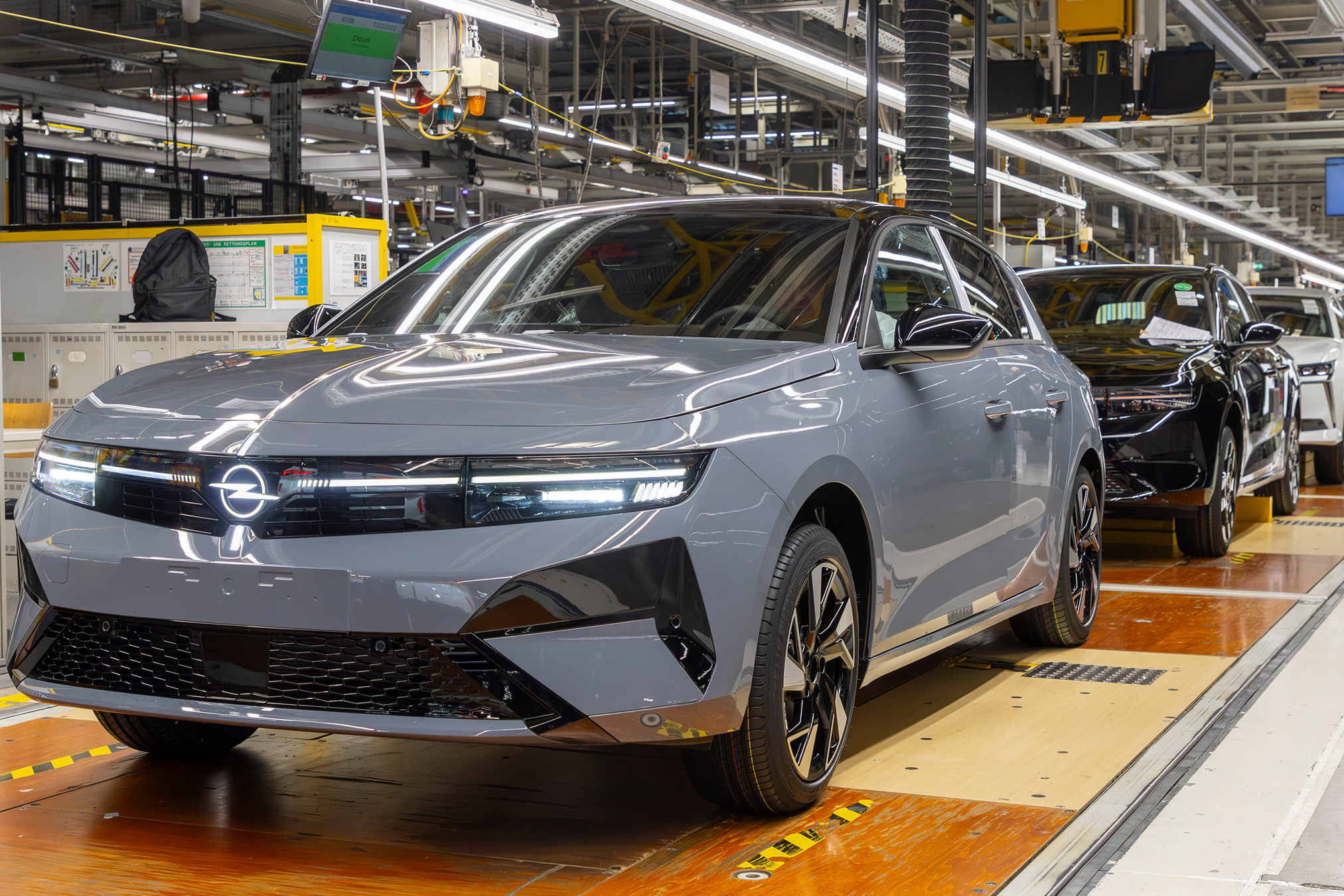
Opel is preparing for a major new chapter in its electric future, and the next-generation Opel Astra will remain at the center of that strategy. Stellantis has confirmed that the upcoming Astra will continue to be designed, developed, and built at Opel’s historic headquarters in Rüsselsheim, Germany, keeping one of the brand’s most important models firmly tied to its home market.
The announcement is intended to send a clear message: Opel is not abandoning Germany. The Astra, long one of the company’s key compact cars, will remain a “Made in Germany” product as the brand accelerates its transition toward electric vehicles.
The next Opel Astra is expected to use the new STLA One electric platform, part of Stellantis’ wider push to create scalable EV architectures for its European brands. Opel also plans to invest more than €1 billion in Germany by 2030, with at least four new models expected during that period. One of the most important among them will be the next-generation Opel Corsa, another high-volume model that could play a major role in making electric mobility more affordable.
However, behind the optimistic public message, Opel is facing serious pressure. The company’s German plants in Rüsselsheim and Eisenach are reportedly struggling with low capacity utilization, with production levels historically dropping below 60 percent. In Rüsselsheim, manufacturing is said to be operating on only a single shift, highlighting the scale of the challenge facing the traditional automaker.
The situation at Opel’s development center also shows how much the company has changed. Once home to around 7,000 engineers, the site now reportedly has about 1,650. This dramatic reduction has raised concerns about how much independent engineering strength Opel still has within the Stellantis Group.
As Opel’s role inside Stellantis evolves, the brand is increasingly looking to outside support for its electric vehicle ambitions. A key part of that strategy is its cooperation with Chinese EV specialist Leapmotor, a Stellantis partner. This collaboration could become crucial as Opel tries to cut development times, reduce costs, and bring more affordable electric cars to European buyers.
One of the most important future projects is expected to be a new electric family SUV, planned for 2028. The model is likely to use cost-efficient Chinese technology as a foundation, allowing Opel to offer a more competitive electric vehicle in a market where price remains one of the biggest barriers for customers.
This partnership could also influence the next electric Opel Corsa. The brand is reportedly aiming to bring the future Corsa EV below the important €25,000 price point, a threshold many carmakers are racing to reach. If Opel succeeds, it could make the Corsa one of the more attractive affordable electric cars in Europe.
The stakes are high. Opel’s European market share has fallen to around 3 percent, putting pressure on the brand to regain momentum quickly. Affordable EVs may be the key to that recovery, especially as European buyers continue to demand lower prices, practical range, and familiar brand reliability.
For Opel, the challenge is to balance tradition with survival. The Astra remaining in Rüsselsheim helps preserve the brand’s German identity, while the cooperation with Leapmotor reflects the new realities of the global electric vehicle market. To compete, Opel needs speed, lower costs, and access to technology that can help it deliver EVs at prices ordinary buyers can afford.
The next few years will be critical. If Opel can combine German design and manufacturing with more cost-effective electric platforms, it may be able to strengthen its position in Europe’s fast-changing car market. But if the strategy fails, the pressure on one of Germany’s most recognizable automotive names could grow even further.