South Korea’s EV surge: nearly one in five cars sold in August was electric
South Korea’s electric vehicle market just hit a new high, with EVs accounting for 18.4% of all cars sold in August. That’s more than 23,000 battery-electric vehicles out of 126,787 total registrations, the strongest monthly result since data tracking began in 2020, according to Carisyou.
Momentum has been building all year. Year-to-date EV registrations have reached 141,986, up 48.4% compared to the same period last year. At this pace, industry watchers expect South Korea to surpass 200,000 annual EV sales for the first time in 2025.
Imported EVs are playing a bigger role in the market’s expansion. Figures from the Korea Automobile Importers & Distributors Association show foreign brands registered 10,855 electric vehicles in August, accounting for nearly 40% of EV sales and more than doubling year-on-year.
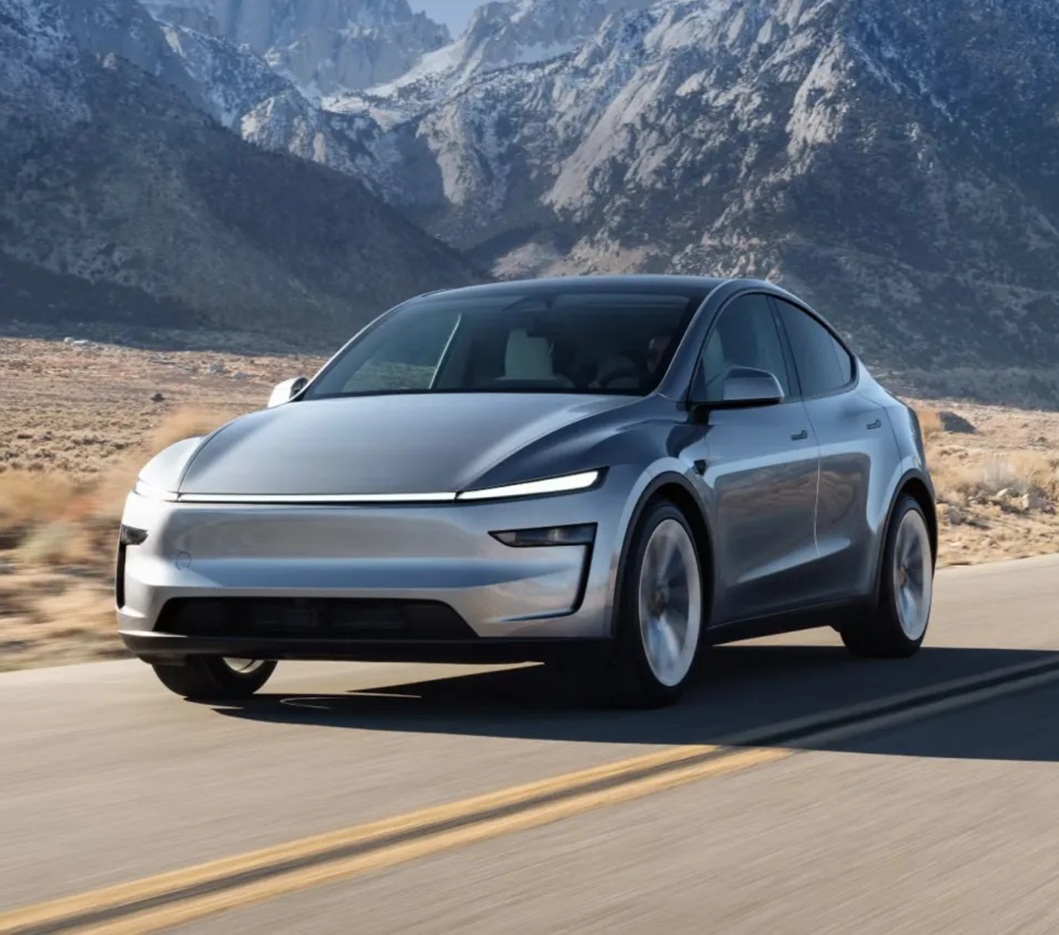
New models are fueling the growth. The refreshed Tesla Model Y continues to set the pace, selling more than 6,000 units every month since May and capturing about 30% of the overall imported car market in South Korea. Riding that momentum, Tesla also introduced the Cybertruck in the country, marking its first launch outside North America.
Domestic brands are answering with compelling alternatives. KG Mobility’s Musso EV pickup met its annual sales target of 6,000 units in half the expected time after launching in May. Hyundai and Kia are also drawing strong interest with the budget-friendly Casper Electric and the EV3, widening consumer choice and pushing EV adoption beyond early adopters.
Why it matters: With record shares, accelerating registrations, and an influx of both global and homegrown models, South Korea has become one of the most competitive EV battlegrounds in Asia. Consumers now have more options across price points and body styles, and the rising presence of imported models is intensifying competition on features and value.
Outlook: Expect the EV share to remain elevated as supply improves and new models arrive through next year. If current trends hold, South Korea is on track to set another annual sales record in 2025, bringing the country a step closer to mainstream electric mobility.