The Elder Scrolls IV: Oblivion Remastered on Nintendo Switch 2 delivers portable Cyrodiil, but performance stutters hold it back
The Elder Scrolls IV: Oblivion Remastered has finally made its way to Nintendo Switch 2, bringing one of Bethesda’s most beloved RPG worlds to a portable platform. For fans who have dreamed of exploring Cyrodiil on the go, the release is undeniably exciting. However, early performance analysis suggests that this version comes with some noticeable compromises, especially when it comes to traversal stutter and frame pacing.
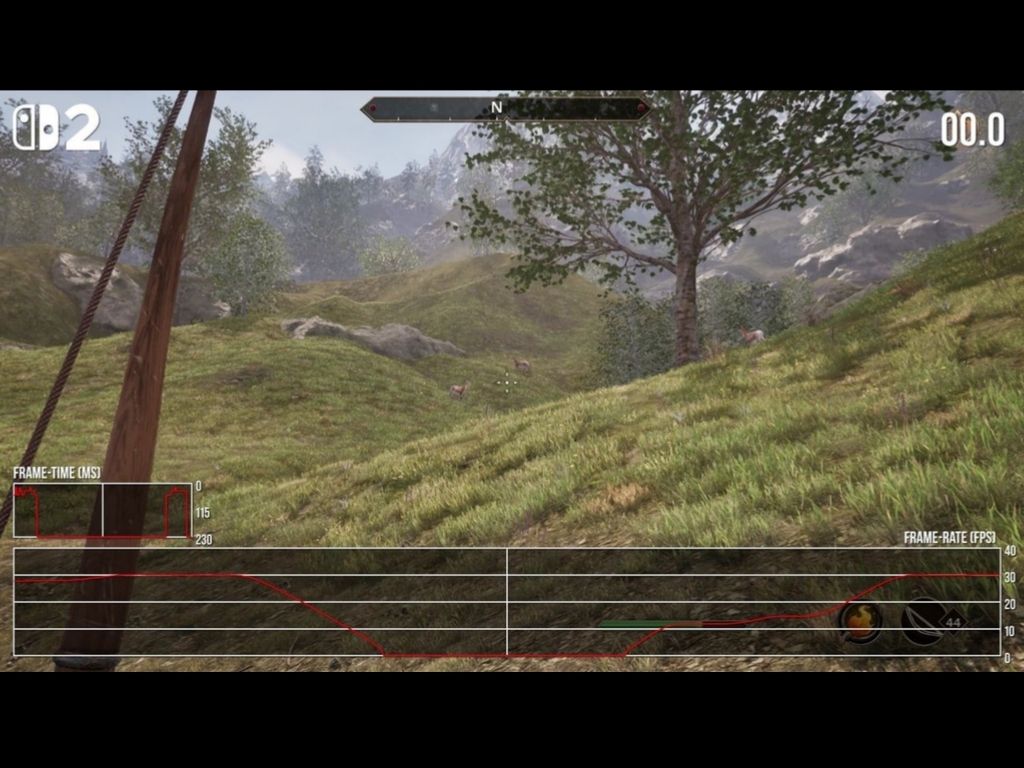
A new technical breakdown from Digital Foundry’s Thomas Morgan examined Oblivion Remastered across PlayStation 5, Xbox Series X|S, and Nintendo Switch 2. The results show that the Switch 2 version is impressive in some areas, but also held back by problems that can make gameplay feel uneven. One of the most striking observations from the test was that severe frame drops, including moments that briefly hit 0 FPS, feel out of place in a modern release.
On Nintendo Switch 2, Oblivion Remastered targets 30 frames per second. In many scenes, the game appears to stay close to that cap, but the experience is not always as smooth as the number suggests. Frame pacing is the bigger issue. On a 60 Hz display, a properly paced 30 FPS game should deliver each frame consistently every 33 milliseconds. Instead, testing showed frame times jumping between 16 ms and 50 ms, which creates uneven motion even when the average frame rate looks stable.
Resolution is another area where the Switch 2 port makes significant adjustments. When docked, the game outputs at 1080p, but the native internal resolution is around 960×540 before upscaling. In handheld mode, it outputs at 900p from an internal 800×450 image. That means the game is relying heavily on upscaling to produce a cleaner final picture.
Surprisingly, the image quality can still look quite good in certain situations. Indoor scenes, in particular, hold up well and can appear sharper and more detailed than expected. In some comparisons, the Switch 2 version even presents itself strongly against the Xbox Series S in enclosed areas. However, the illusion starts to break down in more complex outdoor environments. Tree branches can shimmer, shiny armor can produce noisy reflections, and occasional visual artifacts may appear while moving around dense locations like the Imperial City.
The biggest problem appears during traversal. Riding across the open world or entering busier combat scenarios can trigger noticeable hitching. In some cases, performance spikes reached around 230 ms, causing the game to briefly pause or feel as though it is catching up. Distant enemies may also animate at reduced rates, sometimes around 15 FPS, likely to ease pressure on the CPU.
These issues are not entirely new to Oblivion Remastered. The game still relies on older Gamebryo-based systems underneath its newer Unreal Engine 5 visual layer. While the remaster improves the look of the classic RPG, some of the underlying technical behavior remains tied to aging engine logic. Since the game has reportedly not received major optimization updates since April 2025, the Switch 2 version inherits many of the same stutter problems seen elsewhere rather than introducing entirely new ones.
Still, the appeal of Oblivion Remastered on Nintendo Switch 2 is easy to understand. This is a massive open-world RPG that helped define modern fantasy role-playing games, now playable in handheld form. Cyrodiil fits into a 58 GB install, and for many players, the ability to take the adventure anywhere may outweigh the technical flaws.
One feature that stands out on Switch 2 is mouse mode, which can be enabled through the Gameplay settings. For players who prefer more precise camera control and menu navigation, this could be a welcome addition and one of the more interesting features of this version.
At $59.99, Oblivion Remastered is not a small purchase, especially considering the original game is now more than two decades old. Even so, demand remains strong, with physical copies moving in and out of stock and resale prices drawing attention. The combination of nostalgia, portability, and the enduring popularity of The Elder Scrolls keeps interest high.
For players considering the Nintendo Switch 2 version, the decision comes down to priorities. If portability is the main attraction, Oblivion Remastered still offers a compelling way to revisit one of Bethesda’s most iconic worlds. But if smooth performance is essential, the current frame pacing issues and traversal stutters may make this version frustrating.
The Elder Scrolls IV: Oblivion Remastered on Nintendo Switch 2 is a fascinating port. It proves that a visually upgraded version of Cyrodiil can run on Nintendo’s new hardware, but it also shows the limits of old engine technology wrapped in modern visuals. For longtime fans, it may still be worth the journey. For performance-sensitive players, waiting for future patches could be the wiser move.