NVIDIA Could Turn New Homes Into Mini AI Data Centers With Wall-Mounted Blackwell GPU Units
NVIDIA is exploring a new way to expand AI computing power, and it could bring high-performance GPU infrastructure directly to residential neighborhoods. Through a partnership with SPAN and homebuilder PulteGroup, select homeowners may soon have the option to host wall-mounted Blackwell GPU systems on the outside of their homes with no upfront installation cost.
The idea is simple but ambitious: use residential properties as part of a distributed AI computing network. Instead of relying only on massive centralized data centers, NVIDIA and its partners want to test whether powerful compute nodes can be deployed across homes in select communities.
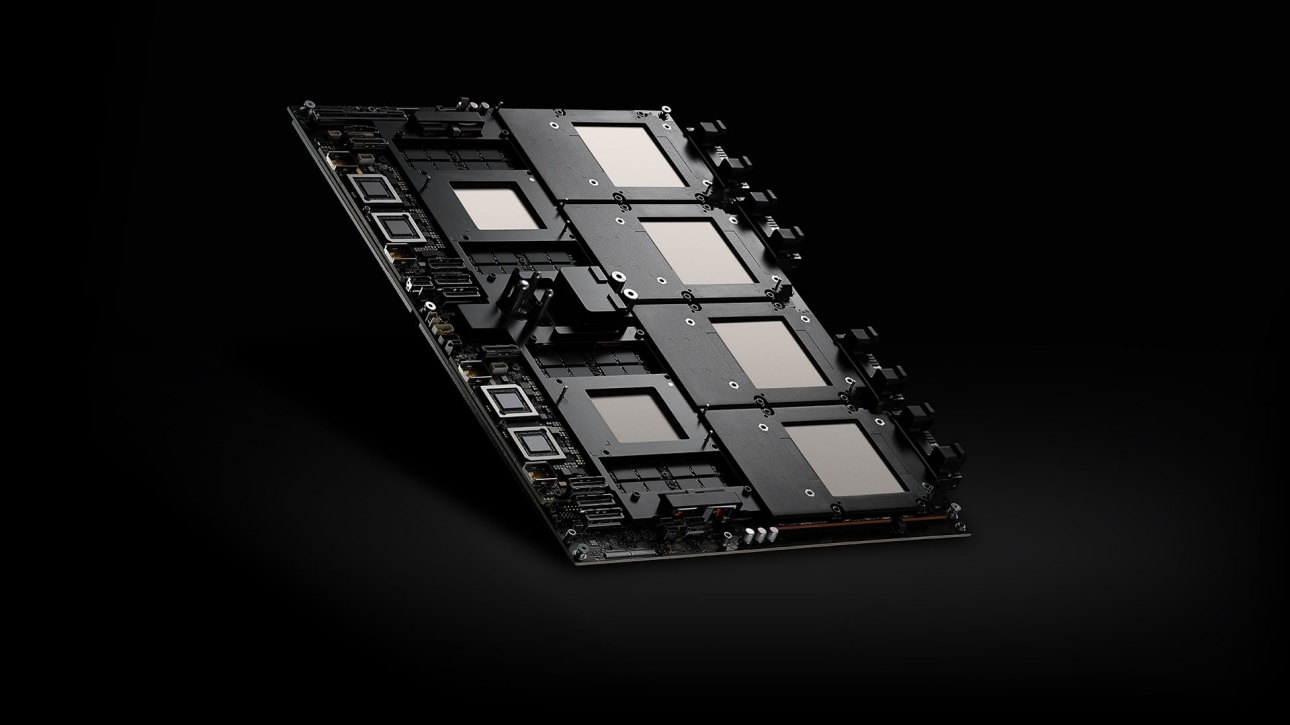
According to the details now circulating around the pilot program, each wall-mounted unit is expected to include 16 NVIDIA Blackwell GPUs and 4 server-class CPUs. The hardware is said to be worth more than $250,000 and would be housed in an exterior compute box roughly comparable in size to a large air-conditioning unit.
For qualifying homeowners, the biggest selling point is that the system would come with $0 upfront cost. NVIDIA and SPAN are also expected to heavily subsidize the additional power and internet usage tied to the unit. On top of that, homeowners would reportedly receive a share of the revenue generated by the compute workload running from the device, although the exact percentage has not yet been disclosed.
This could make the concept especially appealing at a time when demand for AI compute continues to rise rapidly. AI companies, cloud providers, research labs, and enterprise customers all need access to powerful GPUs for training and running advanced models. By creating a residential distributed compute network, NVIDIA could unlock a new source of capacity without building every new data center from scratch.
The program is still in its earliest stages. For now, the pilot is expected to involve only around 100 homes in limited communities. That means most homeowners will not have access to the installation immediately. However, if the test proves reliable, profitable, and manageable from an energy standpoint, similar GPU boxes could eventually appear in more neighborhoods.
The timing of compute usage may play a major role in whether the model works. One possibility is that these residential AI compute systems could run heavily during off-peak nighttime hours, when electricity demand is lower. Another option is to pair them with homes that already have solar panels, allowing the compute unit to make use of surplus daytime energy that might otherwise go unused or be sold back to the grid at lower rates.
SPAN’s involvement is important because the company specializes in smart electrical panels and intelligent home energy management. A system packed with high-end GPUs would require careful power orchestration, especially if it is operating alongside everyday household electricity use, solar energy, battery storage, and grid demand fluctuations.
If successful, this approach could reshape how AI infrastructure is deployed. In the same way rooftop solar panels turned homes into small energy producers, wall-mounted GPU nodes could turn residential properties into miniature AI data centers. Homeowners would not just consume electricity and internet service; they could potentially participate in the AI economy by hosting valuable compute hardware.
There are still many unanswered questions. Homeowners will want to know how much noise the unit produces, how much heat it generates, how maintenance will be handled, what happens during outages, and how revenue sharing will work. Communities may also have questions about grid impact, zoning, safety, aesthetics, and long-term reliability.
Still, the concept is a striking example of how fast the AI infrastructure race is evolving. With demand for GPU compute showing no signs of slowing, companies are looking beyond traditional data centers and toward more flexible, distributed models.
For now, NVIDIA’s residential Blackwell GPU initiative remains a limited pilot. But if the economics work, the future of AI computing may not only be found in giant server farms. It might also be mounted on the side of a house down the street.