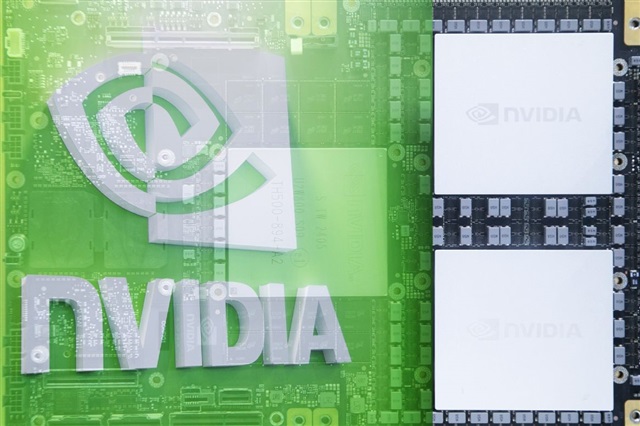
Nvidia is ramping up its cooling strategy to keep pace with the explosive growth of AI servers, unveiling new microchannel-based solutions tailored for next-generation data centers. Alongside its Microchannel Lid, the company is also preparing a Microchannel Cold Plate, both engineered to handle the extreme heat generated by modern AI accelerators and high-density GPU clusters.
AI workloads are pushing hardware harder than ever, and traditional air cooling is hitting its limits in performance, efficiency, and rack density. That’s where microchannel liquid cooling comes in. By directing coolant through ultra-fine channels that sit closer to the heat source, these designs dramatically improve heat transfer, making it possible to run more powerful chips at higher utilization without thermal throttling.
The Microchannel Lid (MCL) integrates directly with the processor package to spread and remove heat at the source. Paired with that, the Microchannel Cold Plate (MCCP) serves as the primary heat exchanger in a liquid loop, moving heat away quickly and efficiently. Together, they form a two-pronged approach aimed at boosting thermal performance, reducing energy use, and enabling denser, quieter data center deployments.
For operators, the appeal is clear. Better cooling paves the way for:
– Higher rack density and smaller footprints
– More stable performance under sustained AI training and inference loads
– Lower power usage effectiveness (PUE) and potentially lower operating costs
– Greater flexibility in deploying liquid-cooled infrastructure across new and existing facilities
These technologies are expected to spur broader ecosystem activity among server OEMs, ODMs, and cooling suppliers as the industry pivots toward liquid cooling for AI. As demand for GPU-powered compute surges, standardizing around efficient, scalable cooling designs could accelerate adoption and simplify integration for data center operators.
While details on rollout and compatibility will matter for real-world deployment, the direction is unmistakable. By promoting microchannel lids and cold plates, Nvidia is signaling that the future of AI server cooling is liquid-first, with solutions purpose-built to meet the thermal realities of advanced accelerators.
For organizations planning AI infrastructure, this shift offers a path to higher performance per rack, improved uptime, and a clearer sustainability story. Expect growing competition among manufacturers, faster innovation in liquid-cooling components, and a new wave of data center designs optimized from the ground up for microchannel cooling.
In short, Nvidia’s microchannel lid and cold plate are designed to tackle the heat where it matters most, positioning liquid cooling as a cornerstone of the next generation of AI servers and data centers.