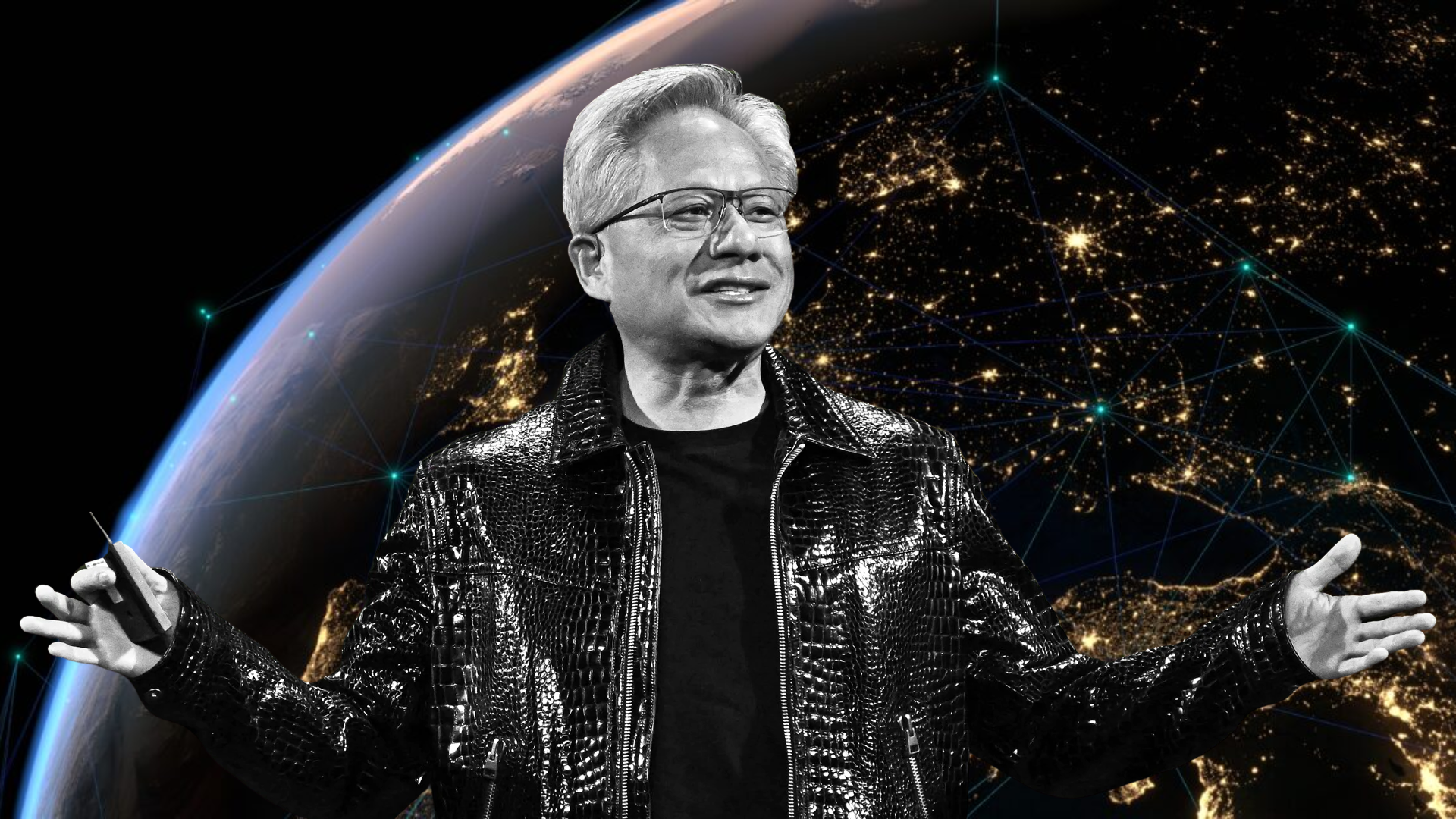
NVIDIA is now one of the most powerful forces in artificial intelligence, but despite the company’s massive influence and sky-high expectations from investors and the tech world, CEO Jensen Huang isn’t focused on picking a clear successor. In fact, he’s openly skeptical of traditional succession planning—arguing that NVIDIA’s future shouldn’t depend on naming a “next Jensen.”
Huang helped build NVIDIA from its earliest days into a global computing giant. The company first made its name by pushing the boundaries of 3D graphics, then dramatically expanded what GPUs could do by betting big on CUDA and GPU-accelerated computing. That ability to spot major inflection points early—and execute fast—has become a defining part of NVIDIA’s story. It’s also why many people wonder what happens one day when Huang is no longer leading the company.
In a recent conversation on Lex Fridman’s podcast, Huang was asked directly about mortality and whether he fears dying at this point in his life. His response reflected how intensely he views the current moment in technology. He described NVIDIA as being in the middle of a major technological revolution, and suggested that dying during such a pivotal period wouldn’t exactly feel like ideal timing for him.
But the more revealing part came when the topic shifted to leadership continuity and succession plans. Huang said he doesn’t “believe” in succession planning in the way many large corporations practice it. His reasoning is simple: if you’re anxious about what happens after you, the answer isn’t to quietly prepare a replacement—it’s to continuously transfer knowledge throughout the organization.
He emphasized that the most important thing a leader can do for a company’s long-term future is to pass on information, insight, skills, and experience as often as possible. That philosophy explains why he spends so much time reasoning through decisions in front of his team rather than keeping critical understanding locked at the top.
In other words, Huang is signaling that NVIDIA isn’t built around one person holding all the answers. His leadership style relies on decentralizing understanding, making sure the people around him have deep context and strong decision-making ability—so the company can keep moving even without him.
That approach lines up with how NVIDIA is reportedly managed internally. Huang has favored a relatively flat structure, with around 60 executives directly reporting to him. He also stays tightly connected to day-to-day execution by asking his direct reports to share their “top five” weekly priorities, a habit that helps him remain informed about key developments across the business. Critics might call that micromanagement, but it also ensures he can quickly spot problems, align teams, and keep strategy consistent across NVIDIA’s many divisions.
As NVIDIA’s role in AI continues to expand—powering everything from data centers and generative AI to autonomous systems—questions about who might eventually replace Jensen Huang will only grow louder. Still, Huang has previously suggested that any of his roughly 60 direct reports could step in if needed, because they “know everything.” Whether that’s literal confidence or an intentional signal about culture, the message is clear: NVIDIA wants to be seen as a company where leadership strength is distributed, not concentrated.
For now, Jensen Huang appears fully focused on the AI era NVIDIA is helping to define—and he seems to believe the best way to secure the company’s future isn’t selecting a successor, but building an organization where many people are capable of leading.