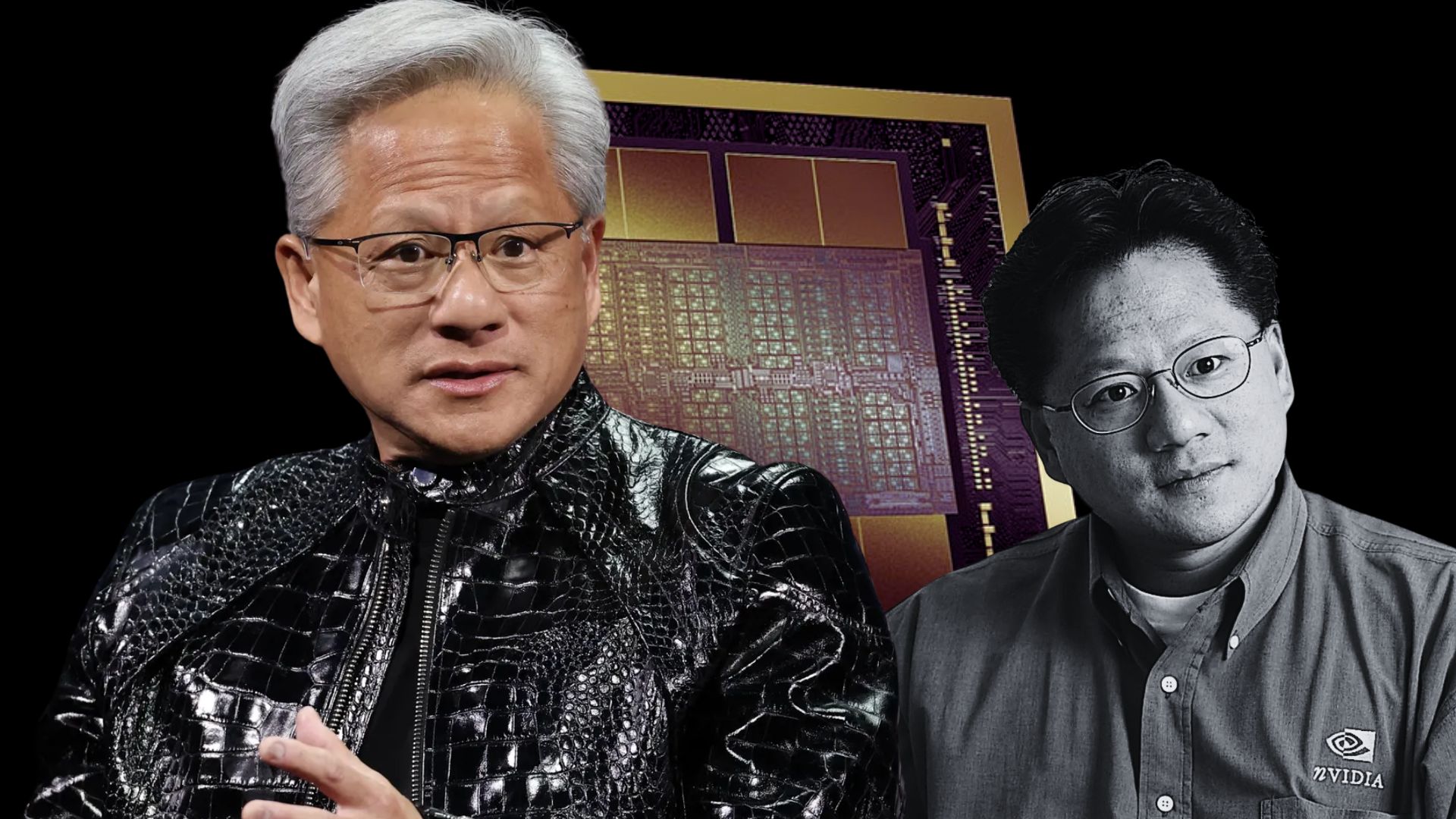
NVIDIA CEO Jensen Huang has become one of the most recognizable leaders in tech, and the company’s explosive rise has only amplified that status. After decades at the helm, Huang has helped turn NVIDIA into a global powerhouse at the center of the AI boom, with the company now viewed by many investors as one of the most important forces shaping modern computing. But with NVIDIA’s scale and influence growing faster than ever, a question is getting louder: who takes over when Jensen Huang eventually steps aside?
A recent report has reignited debate around NVIDIA’s long-term leadership roadmap, suggesting there are currently no clear plans to name a successor in the near future. That uncertainty matters because companies of NVIDIA’s size typically put visible succession structures in place well before a transition is needed. Investors often want reassurance that the organization can keep executing even when a legendary founder-CEO isn’t in the driver’s seat.
Part of what makes this topic so complicated is how NVIDIA is run. Unlike many large tech companies that rely on layered management and obvious heirs apparent, Huang is known for operating with a relatively flat hierarchy. In this structure, more than 60 directors report directly to him. That setup reflects Huang’s engineering-driven leadership style and his reputation for being deeply involved across multiple areas at once.
Supporters argue this hands-on approach is a major reason NVIDIA has moved so quickly and executed so effectively, especially as AI demand surged. At the same time, that same model can raise concerns on Wall Street: if so much decision-making, strategy, and product direction runs through one person, it’s natural for investors to wonder how smoothly the company would function during a leadership change.
Names have reportedly circulated internally among respected NVIDIA leaders such as Ian Buck and Bryan Catanzaro, but the broader issue remains: there’s no widely accepted “next Jensen Huang” in public view. Huang isn’t just a seasoned executive; he’s also seen as a rare combination of visionary, engineer, and charismatic spokesperson capable of defining entire eras of computing.
Huang himself has addressed the topic in a candid way during a podcast conversation, explaining that no successor will be “like” him because he believes his leadership style was shaped uniquely by growing with the company. He also pointed to the depth of talent around him, emphasizing that he has nearly 60 direct reports and views many of them as capable of being world-class CEOs elsewhere. He described how he regularly reasons through decisions in front of that leadership group, effectively turning day-to-day operations into a constant learning environment for potential future leaders.
For now, Huang has given no indication that he plans to step down soon, and there’s no requirement for him to name a successor on any set timeline. Still, as NVIDIA becomes even more central to AI infrastructure, enterprise computing, and the future of chips, the conversation around succession planning is unlikely to fade. If anything, it will intensify as investors weigh NVIDIA’s long-term stability alongside its extraordinary growth.