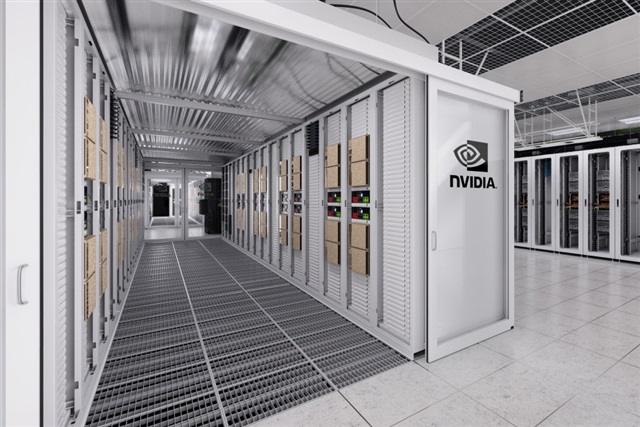
Nvidia is taking a notable step to broaden its influence in AI infrastructure by developing server rack designs that can support chips from rival companies. According to a new report citing people familiar with the plans, the goal is to make Nvidia-backed data center setups more flexible for cloud providers and enterprise customers who don’t want to be locked into a single processor ecosystem.
This shift is significant because server racks are the backbone of modern AI data centers. They determine how computing hardware is arranged, powered, cooled, and connected at scale. By creating rack designs that can accommodate competing processors, Nvidia is effectively positioning its infrastructure approach as a more universal foundation for AI workloads—one that can fit a wider range of customer needs and purchasing strategies.
For cloud and data center operators, multi-vendor compatibility can translate into more choice, better negotiating power, and easier upgrades over time. Rather than having to rebuild entire deployments around one company’s hardware, operators can potentially mix and match components while keeping their core rack and infrastructure design consistent.
For Nvidia, the strategy could help it capture a larger share of the rapidly growing AI infrastructure market even when customers deploy non-Nvidia processors. In other words, Nvidia’s role may extend beyond selling individual chips and into shaping the standardized physical and operational blueprint of AI-ready data centers.
As demand for AI computing continues to surge, moves like this highlight an industry-wide push toward scalable, flexible, and interoperable infrastructure—especially for customers building massive cloud AI clusters where long-term adaptability matters as much as raw performance.