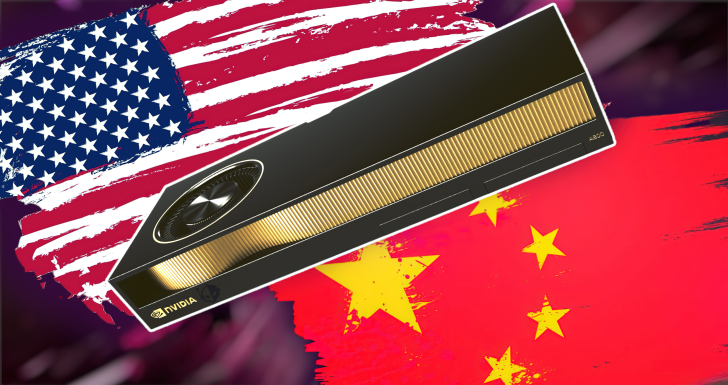
NVIDIA is reportedly gearing up for a strategic pivot to strengthen its foothold in the Chinese market. Facing a significant challenge due to recent U.S. export restrictions which prevent the sale of its H20 AI accelerators to China, NVIDIA is now eyeing the development of “China-specific” chips by teaming up with local tech powerhouses.
These restrictions have impacted NVIDIA considerably, as China represents a substantial portion of their global revenue, involving a complex trade network that includes countries like Singapore and Malaysia. In response, NVIDIA’s CEO made a swift visit to China, indicating the urgency of the situation and the exploration of new avenues to maintain their market position.
According to a report from Ctee, NVIDIA is contemplating a partnership with DeepSeek to craft bespoke AI chips tailored for the Chinese market. If true, this strategy would leverage China’s supply chain capabilities, covering everything from High Bandwidth Memory (HBM) to advanced process nodes and packaging. This move is not just a strategic pivot but also a necessity, given the current export limitations that may hinder the performance capabilities of NVIDIA’s products if they were to remain purely U.S.-compliant.
The collaboration aims to foster an integrated R&D ecosystem in China, potentially setting up a dedicated research center. The local R&D team would work closely with China’s computing framework, potentially leading to proprietary technology adaptations designed for the unique demands of the Chinese market. There’s also speculation about whether this strategic collaboration might shift NVIDIA’s previously planned overseas headquarters originally intended for Taiwan.
This proactive approach is crucial for NVIDIA, especially as it faces formidable competition from companies like Huawei, which have been developing their own chips boasting competitive performance. However, NVIDIA holds the upper hand with its proprietary core technologies and the CUDA software stack. By establishing a research base and collaborating with Chinese firms, NVIDIA could enhance its product offerings efficiently, even if these region-specific products might have components that differ from their global versions.
While this reported shift is intriguing, it is essential to remember that these developments are still unfolding, and the situation remains dynamic. It will be interesting to observe how NVIDIA navigates these challenges and what impact this will have on its global strategy and partnerships.