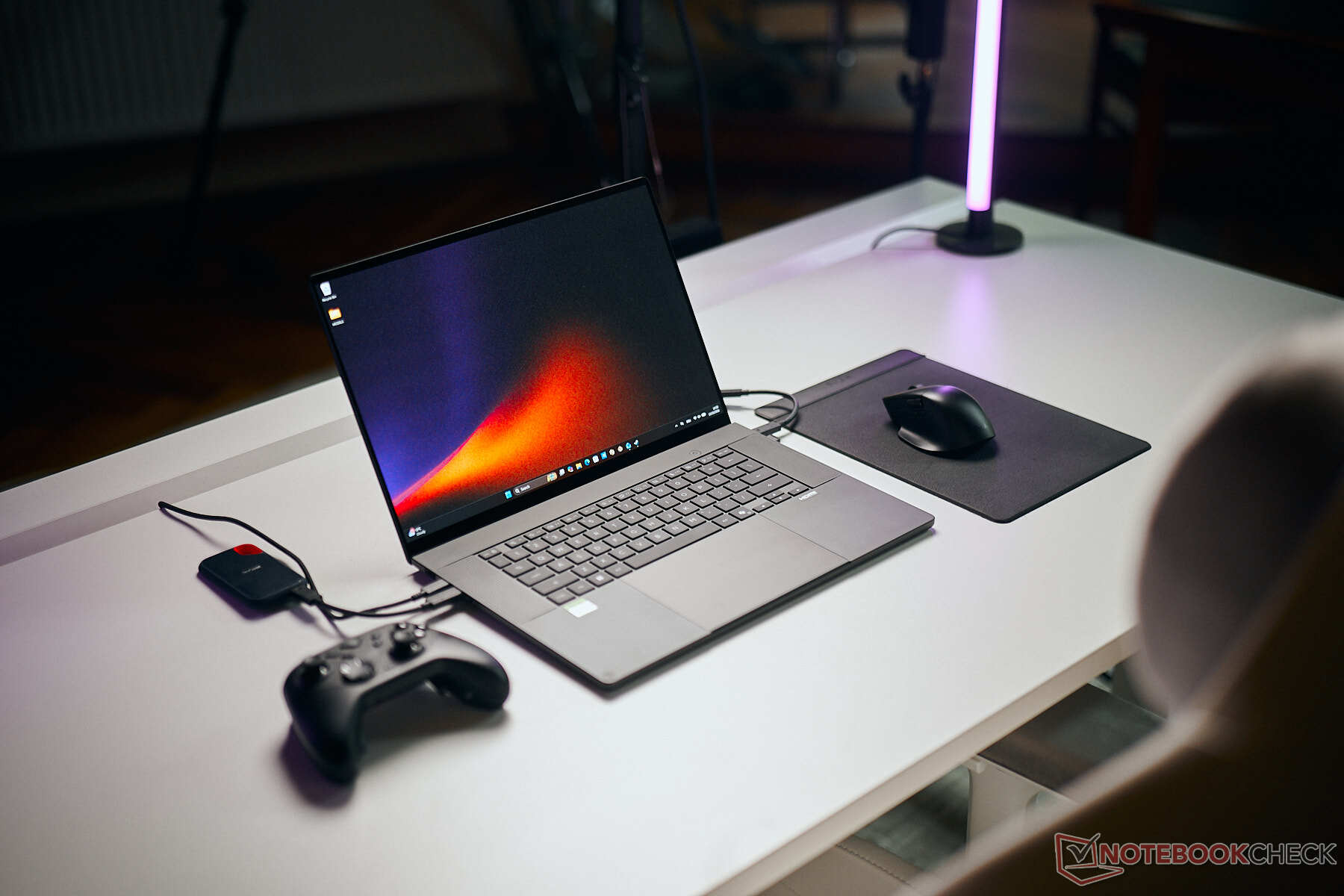
Nvidia RTX Spark N1X could reshape the future of gaming laptops
Nvidia continues to dominate the high-performance laptop graphics market, with AMD currently offering few direct alternatives in the premium mobile GPU space. For gamers, creators, and laptop manufacturers, that dominance has created a waiting game. A new generation of mobile graphics cards was expected to arrive in early 2026, but rising memory costs and limited competitive pressure appear to have slowed the rollout.
Instead of launching a traditional next-generation laptop GPU lineup, Nvidia is taking a different approach with the RTX Spark N1X. This new chip combines an ARM-based processor with a modern Blackwell GPU, creating a tightly integrated platform that could have major implications for the future of gaming laptops and mobile workstations.
While the RTX Spark N1X is not designed specifically as a gaming-first chip, its graphics performance is expected to land close to the level of a GeForce RTX 5070 or RTX 5060. That makes it powerful enough for demanding modern games, especially when paired with Nvidia’s latest AI-driven technologies.
Features such as DLSS 5 and multi-frame generation can significantly boost frame rates while maintaining strong visual quality. As a result, even graphically intensive titles should be able to run smoothly at high settings on devices powered by this platform. This raises an important question: if integrated Nvidia platforms can deliver this level of performance, how much longer will traditional standalone laptop GPUs remain the standard?
The laptop GPU market could be heading for a major shift. With Nvidia facing little pressure from competitors, the company may not feel rushed to release a new generation of separate mobile graphics chips. AI-assisted rendering, frame generation, and upscaling are already helping current GPUs stay relevant for longer, reducing the need for frequent hardware refreshes.
One possible future is that Nvidia focuses more heavily on complete chip packages like the RTX Spark N1X. A second-generation RTX Spark platform could potentially include next-generation RTX 6000-class graphics technology, giving laptop makers a ready-made processor and GPU solution from a single supplier.
For manufacturers, this could simplify laptop design. For Nvidia, it would strengthen control over the mobile performance market. But for consumers, the outcome may be less positive.
If gaming laptop brands become increasingly dependent on full Nvidia processor-and-graphics platforms, buyers may have fewer choices. Today, users can compare laptops based on different CPUs, GPUs, cooling designs, power limits, and price points. A more closed ecosystem could reduce that flexibility and make premium gaming laptops even more expensive.
The concern is not performance. Nvidia’s technology remains extremely strong, and the RTX Spark N1X shows how powerful integrated AI-focused chips can become. The bigger issue is competition. Without strong alternatives in the high-end laptop graphics market, pricing, innovation, and product variety could all suffer.
For now, the RTX Spark N1X appears to be a glimpse of where Nvidia may be headed: powerful integrated platforms that combine efficient ARM processing, advanced Blackwell graphics, and AI-enhanced gaming features. Whether this becomes a complement to traditional gaming laptop GPUs or eventually replaces them remains to be seen.
What is clear is that the future of gaming laptops may look very different from the past. Standalone mobile GPUs have been the foundation of high-performance laptops for years, but Nvidia’s latest strategy suggests that the next wave of portable gaming hardware could be built around complete, tightly integrated chip platforms.
For gamers, this could mean thinner laptops, better efficiency, and impressive performance through AI-powered rendering. But it could also mean fewer hardware options and higher dependence on one dominant supplier. The RTX Spark N1X may not be a dedicated gaming chip, but it could still become one of the most important signals of where the gaming laptop industry is heading next.