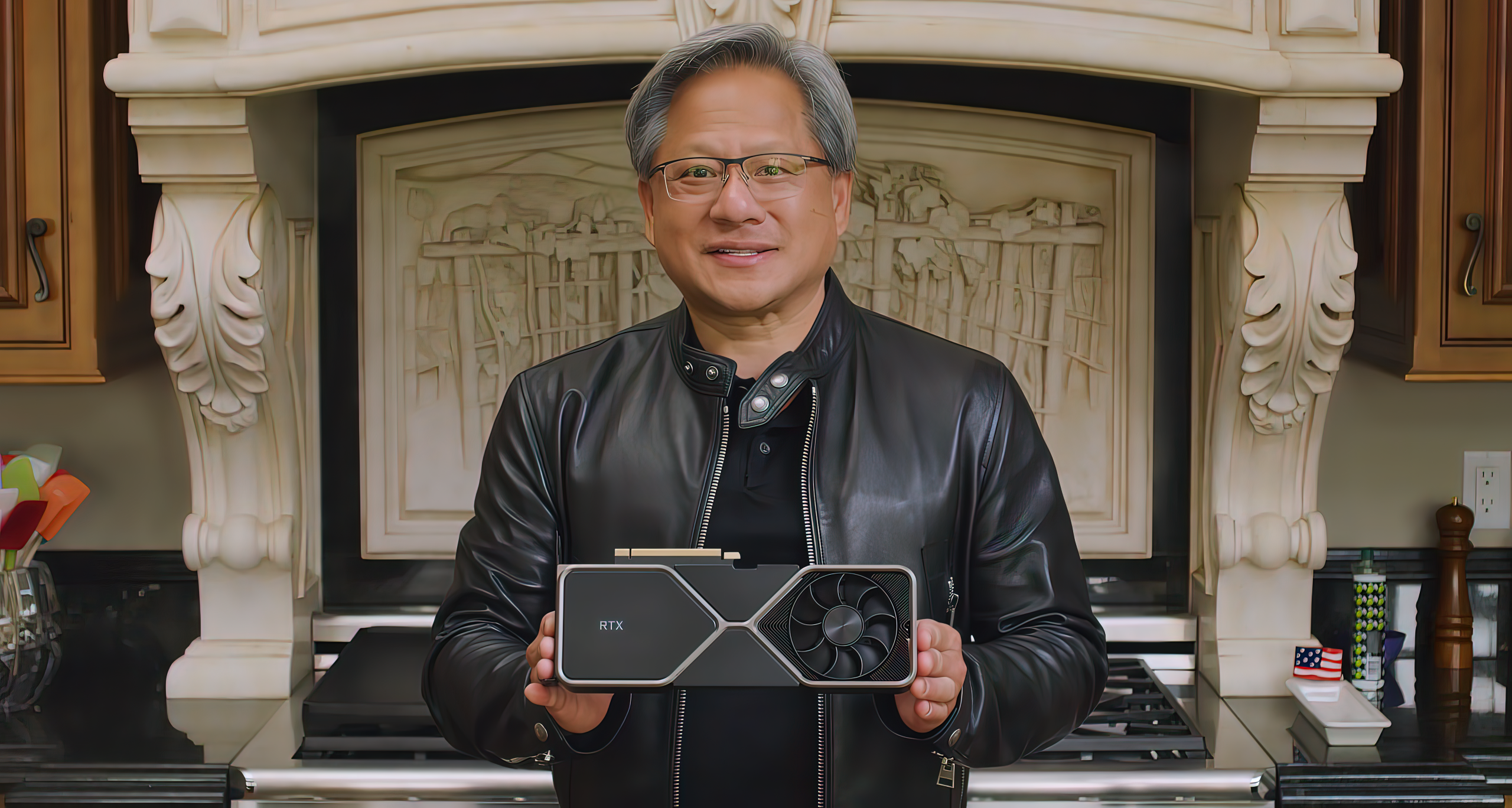
NVIDIA is poised to disrupt the pace at which next-generation GPUs, CPUs, and AI solutions are brought to market. The tech giant has announced that it will be shifting from a two-year to a one-year cadence for launching cutting-edge hardware technologies. According to NVIDIA CEO, Jensen Huang, the decision to speed up the release of new products reflects the company’s ambition to stay at the forefront of the rapidly evolving chip industry.
The acceleration in NVIDIA’s product roadmap is set to benefit a range of sectors, most notably those reliant on AI capabilities. With the introduction of next-gen architectures such as the Hopper H200 and the anticipated Blackwell B100 & B200 GPUs, NVIDIA is showcasing its commitment to innovation. The Rubin “R100” series is especially noteworthy, with promising specifications that suggest substantial enhancements in performance and efficiency over current offerings.
As NVIDIA begins to pick up the pace, the company plans to extend this momentum beyond GPUs. Advancements in CPUs, networking switches, and an array of AI technologies are all part of NVIDIA’s aggressive R&D efforts. Funded by robust revenue streams, NVIDIA is able to rapidly develop and introduce new chips, with the aim to deliver broader CUDA capability across these products, thereby ensuring compatibility and performance across their ecosystem.
While AI hardware seems to be the focal point of NVIDIA’s current strategy, the gaming market, which contributes significantly to NVIDIA’s revenue, might also experience a positive impact. Future gaming GPUs could offer substantial generation-over-generation performance boosts, featuring new functionalities that would resonate well with the gaming community’s expectations.
The upcoming era of AI PCs will not only be powered by NVIDIA’s cutting-edge GPUs but will also leverage the company’s AI PC platforms. These platforms are expected to integrate Arm CPU cores alongside RTX GPU capabilities, thereby empowering high-end AI PC experiences.
NVIDIA’s adjusted launch schedule signals exciting times for the tech industry, especially in areas that demand enhanced compute and AI GPU resources. Nonetheless, the sustainability of this aggressive roadmap remains to be seen, as the market’s demand fluctuates over time. But should NVIDIA continue to deliver innovative hardware with impressive performance advancements, it will undoubtedly captivate both existing fans and potential new users in the AI and gaming spaces alike.
The anticipated release dates for NVIDIA’s future GPU families are as follows:
– Rubin “R100” Series: Expected to enter development in the latter half of 2025, shortly after the launch of the Blackwell B100 GPUs.
– Hopper “H200”: The current architecture with forthcoming GPUs.
– Blackwell “B200”: The next architecture after Hopper, scheduled to precede Rubin.
– Ampere, Volta, and Pascal: Previous GPU architectures with launched products between 2016 and 2020.
As this new approach unfolds, the tech community eagerly awaits to see the potential advancements each new generation of NVIDIA’s GPUs and related technology will bring to the table.


