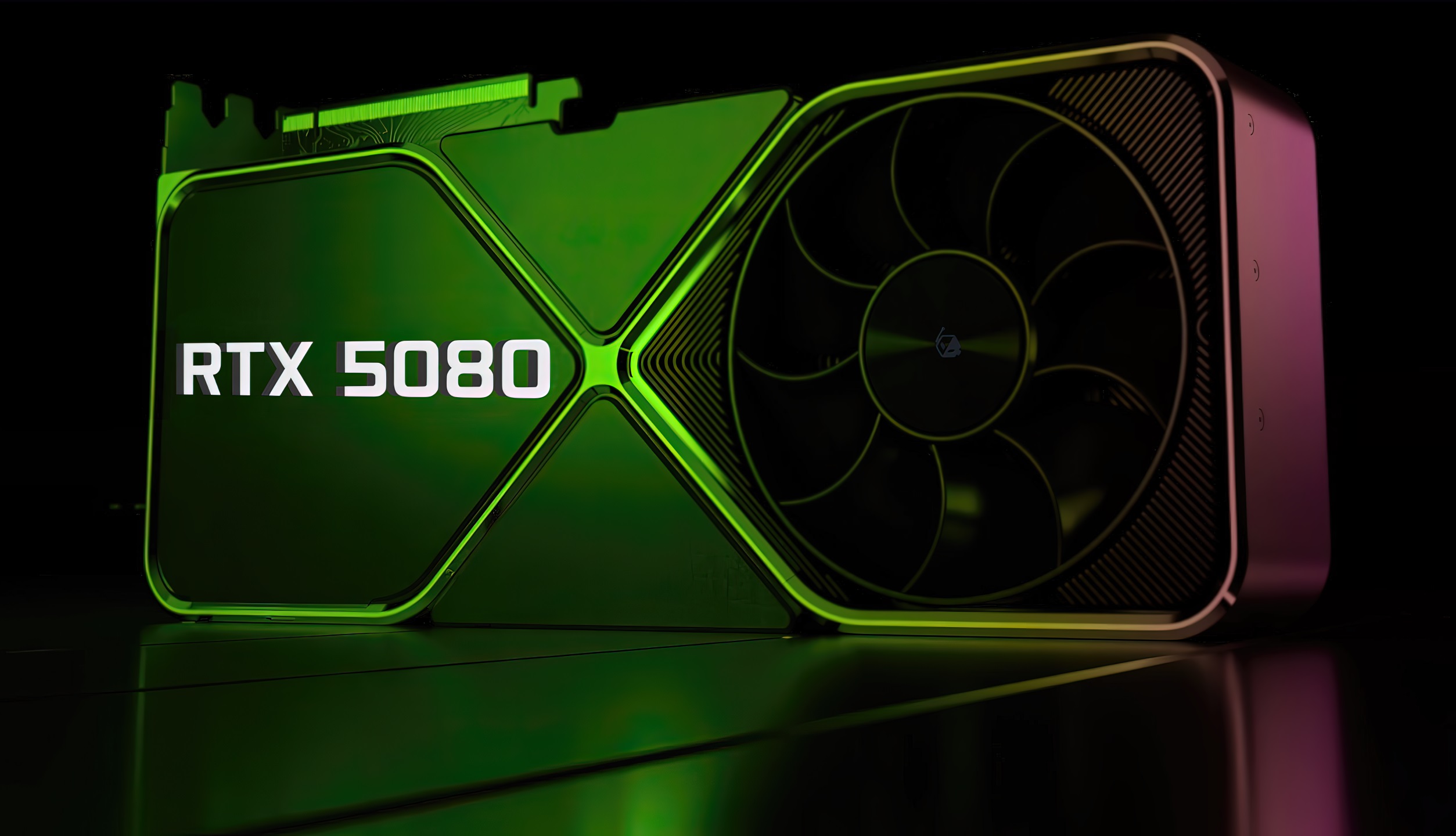
NVIDIA is about to set the gaming world on fire with its upcoming GeForce RTX 5080, which promises to be a top-tier choice for enthusiast gamers. As a shining example of their new Blackwell architecture, the RTX 5080 is the eagerly anticipated successor to the well-regarded RTX 4080 and RTX 4080 SUPER, bringing dazzling innovations and improvements.
Positioned just below the powerhouse RTX 5090 in NVIDIA’s new lineup, the RTX 5080 is built on a cutting-edge custom 5nm process node known as N5B. This next-level technology aims to deliver a substantial leap in performance for both gaming and general graphical tasks, outstripping its predecessor, the RTX 4080, with a significant boost.
This GPU marks a pivotal moment for the long line of NVIDIA’s 80-class cards. While previously the pinnacle of their performance range, the introduction of the 90-class GPUs changed the hierarchy. Yet, the RTX 5080 reclaims a place of prestige as the second fastest in the RTX 50 series, expected to dramatically improve gaming experiences with its innovative capabilities.
The technical specifications indicate that the RTX 5080 will feature a notable increase in processing power, boasting 10,752 CUDA Cores and 84 SMs – a 10.5% increase over the RTX 4080’s specs. Coupled with 16 GB of VRAM on a 256-bit bus and equipped with the fastest GDDR7 memory capable of a staggering 32 Gbps memory speed, the RTX 5080 assures users of a potent graphical performance with around 1 TB/s of memory bandwidth.
Perhaps even more exciting is that this projected memory bandwidth surpasses that of the current flagship RTX 4090, suggesting performance advancements in bandwidth of around 43%. Rumors also hint at a potential alternative edition featuring a 24 GB VRAM variant, further adding to the intrigue of what this GPU might offer.
The RTX 5080 is expected to have a higher Total Board Power (TBP) of 400W, which exceeds the RTX 4080’s 320W. However, real-world power consumption is often lower than these numbers suggest, based on previous RTX 40 series experiences. It’s designed to draw power through a single 12V-2×6 connector, offering up to 600W.
While the precise launch date is still wrapped in mystery, enthusiasts can expect NVIDIA to announce the RTX 5080, alongside the RTX 5090 and RTX 5070, at CES in January 2025. With no concrete details on pricing, speculation places the starting point around $1000 USD, aiming to deliver near-RTX 4090 performance at a more cost-effective price point.
In conclusion, the NVIDIA GeForce RTX 5080 is poised to redefine what’s possible for gaming enthusiasts, delivering significant performance improvements and setting a new standard for high-end gaming experiences. Whether you’re a devoted gamer or tech enthusiast, the RTX 5080 is sure to be an exciting prospect to look forward to in the world of graphics cards. What are you most excited to see from NVIDIA’s new RTX 50 series?


