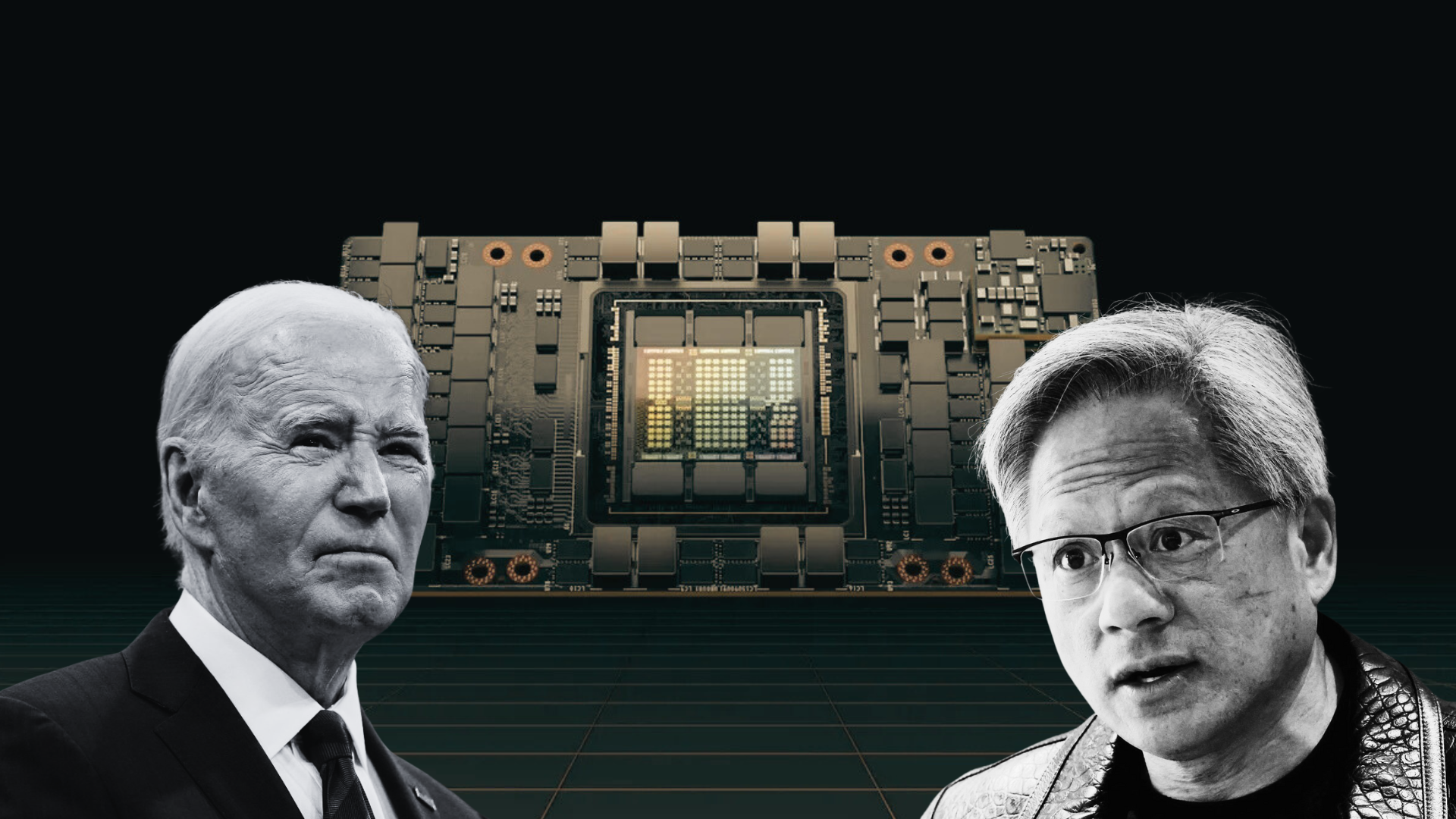
NVIDIA has found itself at odds with the latest AI policies introduced by the Biden administration, expressing significant concerns over new chip export controls. These controls, intended to bolster U.S. influence on international AI capabilities, are seen by NVIDIA as a threat to American technological prowess. The regulations, known as the “Interim Final Rule on Artificial Intelligence Diffusion,” aim to restrict access to advanced AI equipment for nations seen as unfriendly, primarily targeting countries like China and Russia, while granting unrestricted access to allies.
The move could create a significant divide in global AI capabilities, offering allied nations full access to AI chips and limiting others, unless certain corporations are validated as end-users. This selective access strategy has left major suppliers like NVIDIA in a challenging position, as they face the potential exclusion of significant markets.
In an unusual move, NVIDIA publicly addressed these new regulations through a blog post. The company criticized the Biden administration’s decisions, stating that America’s global technological leadership might be at risk. NVIDIA argues that the foundations for the U.S.’s AI success were laid during Trump’s tenure, and the new regulatory framework could jeopardize those gains. They also claimed that the regulations were drawn up without proper legislative scrutiny, describing the move as a bureaucratic overreach that could stifle competition and, by extension, innovation—the lifeblood of technological advancement.
Furthermore, NVIDIA’s CEO has shown open admiration for Trump, suggesting a willingness to support his upcoming administration, which adds another layer of complexity to the company’s stance. As the political tides shift, it will be intriguing to see how new leadership will manage these regulations and NVIDIA’s opposition, given the company’s significant role in the AI sector. This tension underscores the broader debate over national security, innovation, and international competition in the rapidly evolving tech landscape.