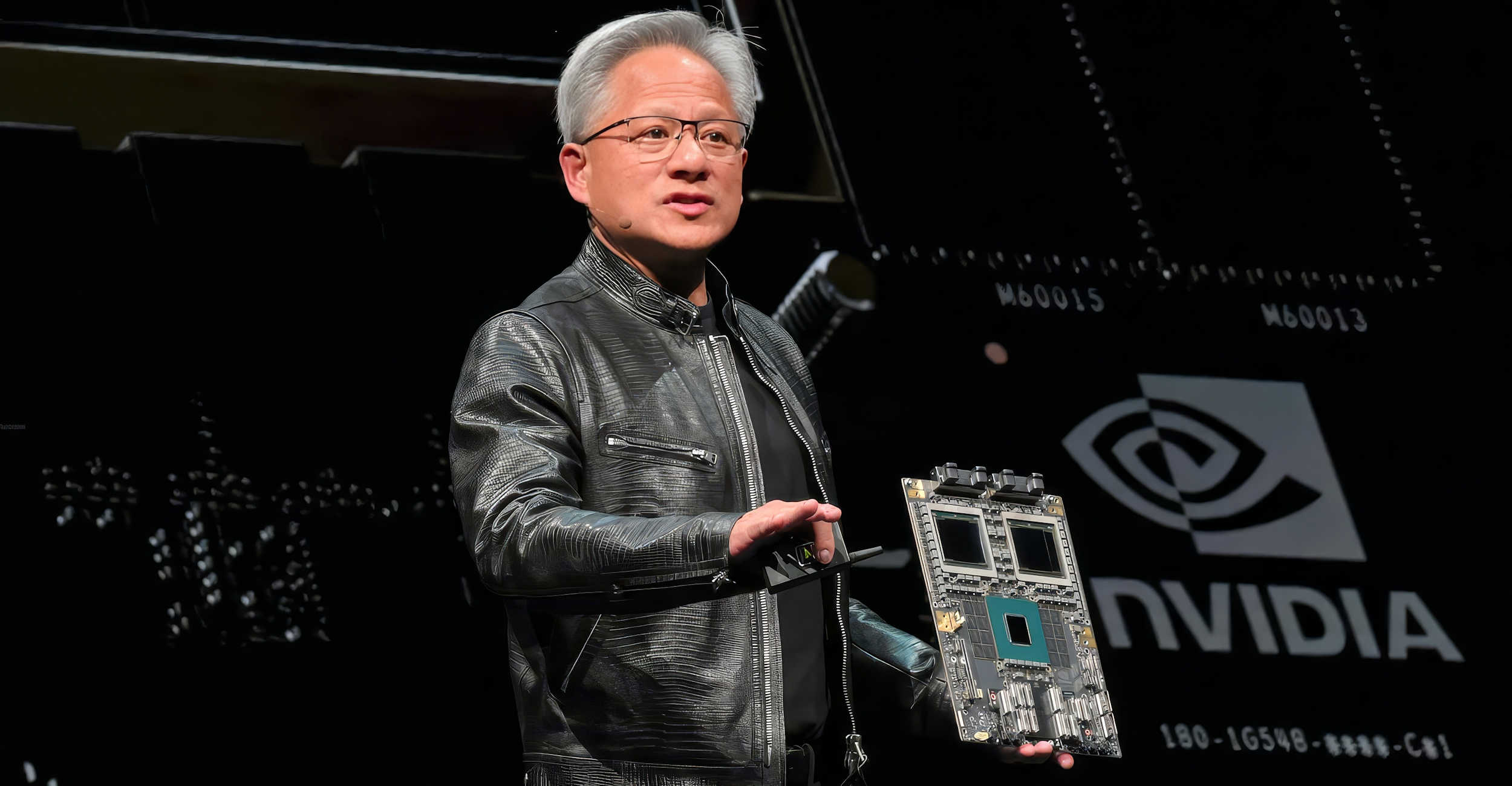
NVIDIA recently found itself in a whirlwind of activity due to a design flaw in its Blackwell chips, a hiccup that CEO Jensen Huang openly acknowledged. Originally rolled out in March, these chips quickly ran into reports of architectural issues. Though initially tight-lipped, NVIDIA later confirmed the flaw was real, driven home by Huang’s candid admission that the problem was entirely NVIDIA’s responsibility.
Huang explained that while the flaw didn’t render the chips non-functional, it significantly impacted chip yields. This revelation came during an event in Denmark, where Huang highlighted that seven chips had to be redesigned from scratch, all while maintaining production momentum. Impressively, NVIDIA’s collaboration with TSMC remained strong, as the latter assisted in overcoming the yield challenges, ensuring production continued at a brisk clip.
Highlighting the bond between the two companies, Huang praised TSMC for its role in swiftly navigating the yield recovery process. While NVIDIA was sampling Blackwell chips and anticipated production ramping up in the latter half of the year, the confidence that the issue was resolved was well-founded, as production plans stayed on course.
As NVIDIA moves past this hurdle, the company showcased its ongoing innovation at the launch of a new supercomputer, Gefion, equipped with 1,528 NVIDIA GPUs, though not of the Blackwell design. With the successful resolution of the chip flaw, NVIDIA continues to forge ahead, determined to deliver superior technology solutions.