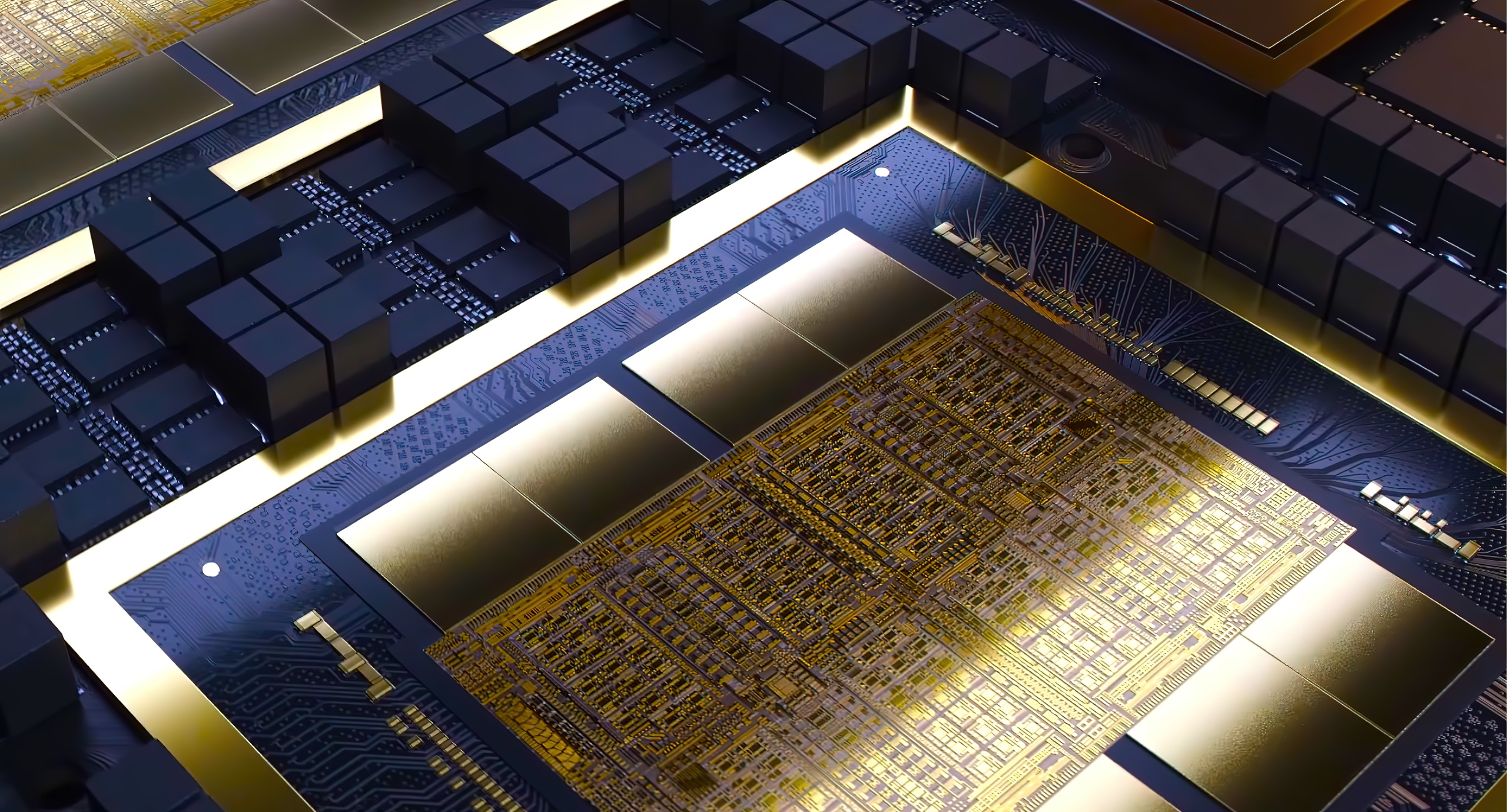
NVIDIA recently addressed rumors surrounding design issues in its much-anticipated Blackwell line of AI products. Known for its unprecedented performance and capabilities, the Blackwell portfolio has become a cornerstone in the technology sector. However, just weeks before its launch, whispers of design flaws linked to its packaging technology sparked concern. Initially, TSMC’s CoWoS technology was suspected to be at the heart of these issues, as TSMC is a critical partner in NVIDIA’s manufacturing process.
In a decisive statement, NVIDIA’s CEO Jensen Huang clarified the situation, confirming that there were indeed design problems with Blackwell. Yet, in an unexpected twist, Huang admitted that these issues were entirely NVIDIA’s responsibility. He acknowledged that the design flaw was functional but adversely affected production yields. NVIDIA had to design seven different types of chips from scratch, which they managed to bring into production simultaneously—a remarkable feat under the circumstances. Huang praised TSMC for their role in swiftly overcoming the yield challenges, enabling NVIDIA to resume Blackwell’s manufacturing at an “incredible pace.”
This acknowledgment was crucial in clearing TSMC, as Huang explicitly stated that they had no involvement in the design errors. NVIDIA’s proactive measures to rectify the situation have borne fruit, with Blackwell products now advancing into the shipping phase anticipated for late 2024. The company has high hopes that Blackwell will become the most successful product in NVIDIA’s history, potentially eclipsing previous releases like the Hopper generation.
As the story of Blackwell unfolds, industry insiders are keen to witness how this architecture will shape the market. NVIDIA’s dedication to overcoming early setbacks only adds to the excitement surrounding its AI advancements, promising a thrilling future for tech enthusiasts and professionals alike.