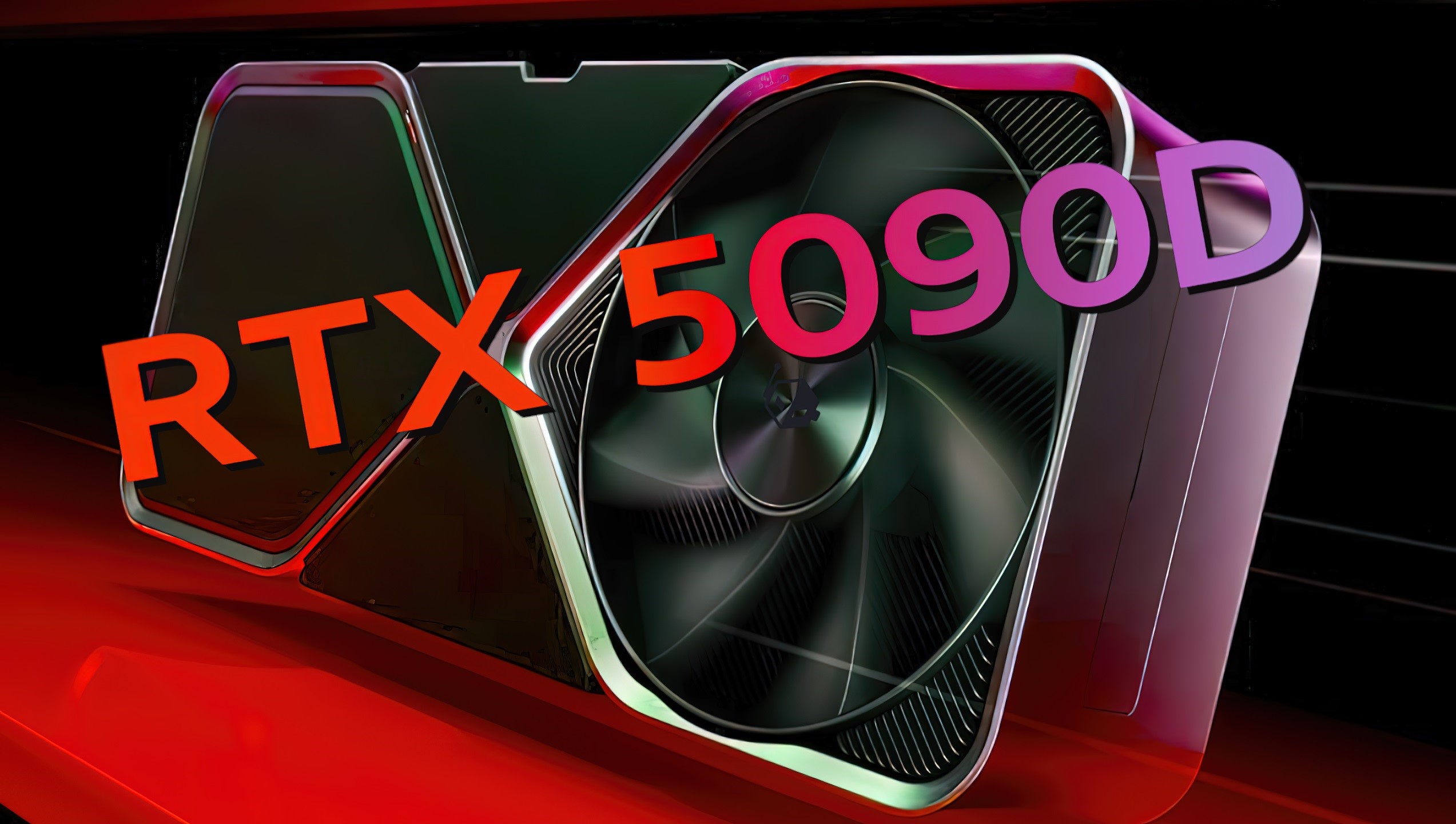
NVIDIA is facing a challenging landscape as the United States continues to impose stringent export restrictions, affecting the tech giant’s business in China. Recently, NVIDIA has seen the sales of its “China-specific” GeForce RTX 5090D potentially caught in the crosshairs of these new regulations. Following the earlier prohibition of H20 AI GPUs from entering the Chinese market, speculation now surrounds the future of the GeForce RTX 5090D.
Reports indicate that NVIDIA has preemptively halted the sales of the RTX 5090D in China. Although there hasn’t been an official statement outlining the reasons, it appears to be a strategic move to mitigate potential disruptions amidst the tense US-China trade relations. NVIDIA learned from previous experience during the ban on A100/H100 AI accelerators; uncertainty led to a halt on the GeForce RTX 4090, which was eventually banned. To avoid repeating history, NVIDIA seems to be playing it safe by pausing production and sales of the RTX 5090D.
The response from AIBs, like Colorful and Palit, has been to cease selling the model, while cooling module manufacturers have also received notifications to halt preparations. This indicates that the supply chain is bracing for what might be an unavoidable ban. Loss of access to NVIDIA’s flagship GPU dramatically affects the local gamer market, which depends on cutting-edge technology for enhanced performance and experience.
Financially, these restrictions have created a substantial hurdle for NVIDIA, considering the losses stemming from the H20’s export ban. The curtailing of the RTX 5090D sales could exacerbate this situation, potentially yielding billions in lost revenue. However, it appears that NVIDIA’s competitors are poised to fill the void. Companies like AMD are reportedly readying alternatives, such as a China-specific Radeon RX 9070 GRE. This could prove challenging for NVIDIA as it endeavors to maintain its foothold in a key global market.
The geopolitical tensions have certainly influenced the technology sector, and players like NVIDIA must navigate carefully to adapt to policy shifts and market demands. With gaming and AI technology continuously evolving, it remains to be seen how these restrictions will shape the future landscape for tech companies in Asia.