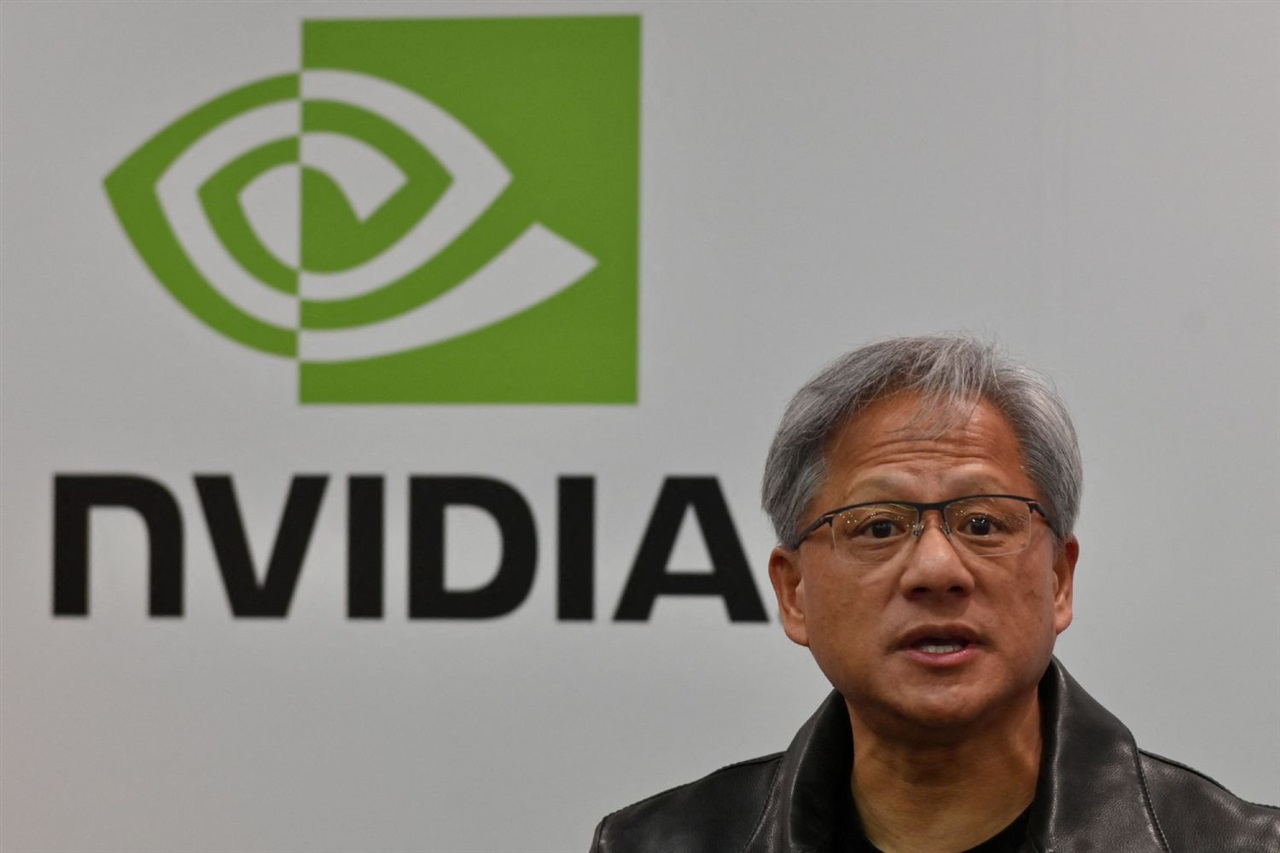
Nvidia and Intel are joining forces in a sweeping partnership aimed at reshaping both data center infrastructure and personal computing. The two chip leaders plan to co-develop products that blend Nvidia’s strength in AI and accelerated computing with Intel’s computing technologies, bringing tighter integration across CPUs, GPUs, and software for everything from cloud-scale AI to everyday PC tasks.
Why this matters
This collaboration signals a push toward platforms that are co-designed from the ground up for AI. By aligning hardware and software, the companies aim to deliver faster performance, better power efficiency, and smoother deployment across enterprises and consumer devices alike. For businesses, that could mean easier scaling of AI workloads and lower total cost of ownership. For consumers, it points to PCs that handle AI-assisted tasks more fluidly—think creative apps, productivity, and local AI features without relying entirely on the cloud.
What to expect
While specific product details were not disclosed, the focus is clear: integrating Nvidia’s AI acceleration with Intel’s computing expertise to create cohesive solutions for servers and PCs. That likely includes joint optimization of drivers, libraries, and developer tools so software can fully tap into the combined hardware. It also suggests reference designs and platforms that OEMs can adopt faster, accelerating time to market.
Potential benefits of the Nvidia–Intel collaboration
– Co-optimized CPU–GPU platforms for faster AI training and inference
– Improved efficiency and thermal performance in both servers and PCs
– Streamlined deployment and management for enterprise AI stacks
– Wider software compatibility and robust developer support
– More choice for OEMs and IT buyers seeking balanced performance and cost
What it could mean for data centers
Enterprises building AI infrastructure could see more predictable performance across complex pipelines, from data preprocessing on CPUs to acceleration on GPUs. With tighter integration, organizations may benefit from better utilization, reduced bottlenecks, and simplified scaling across on-prem and cloud environments.
What it could mean for PCs
AI-enhanced personal computing is accelerating. Jointly developed solutions may bring snappier performance in creative workflows, gaming-related AI features, real-time collaboration tools, and local generative AI—potentially with improved battery life and thermal control.
Bottom line
Two industry heavyweights are aligning to deliver integrated AI platforms for both the server rack and the desktop. If the collaboration delivers on its promise, buyers can expect more capable AI systems, smoother software experiences, and a broader range of options as new products roll out. Stay tuned for timelines and technical specifics as the companies share more details on their jointly developed solutions.