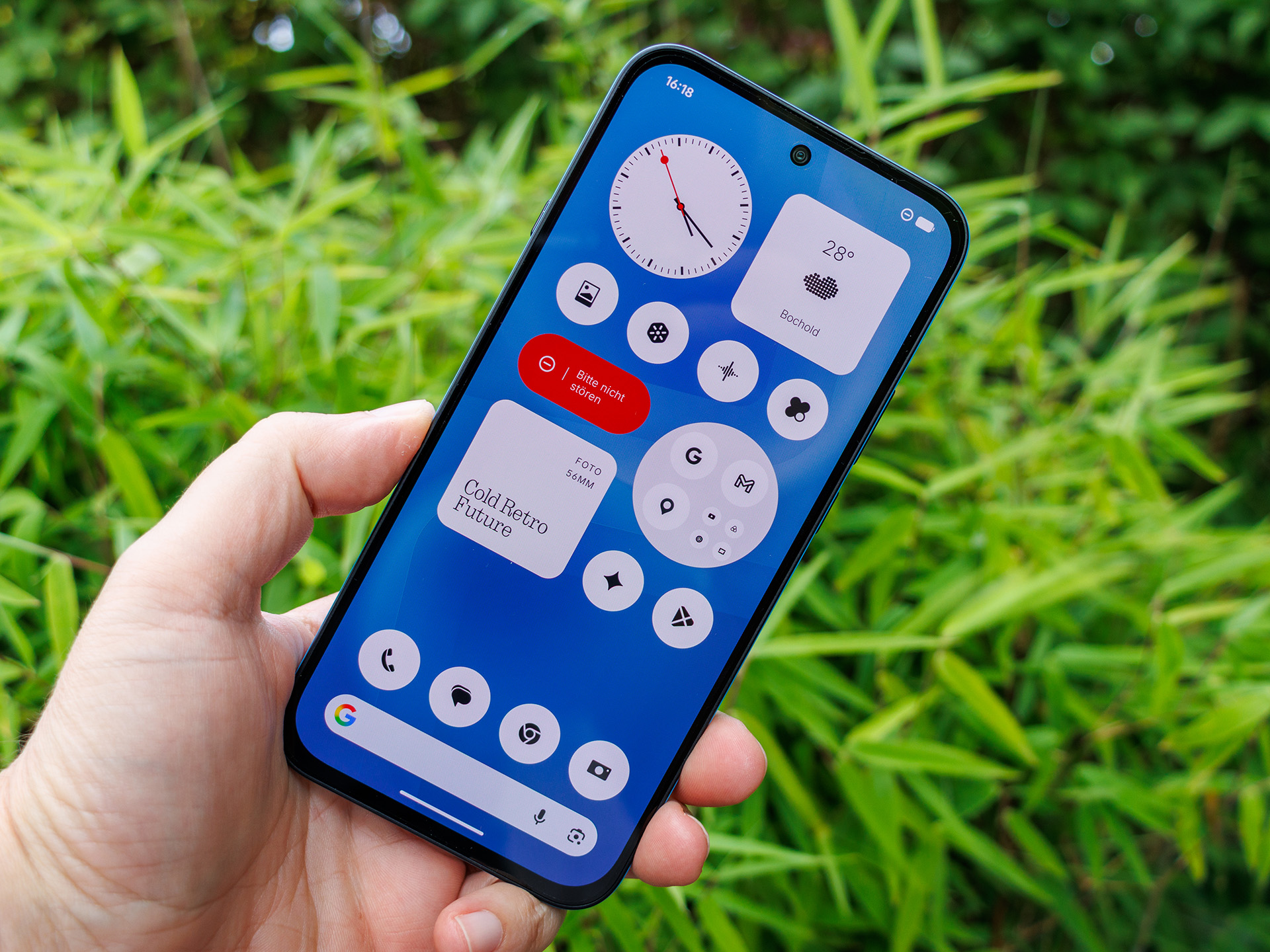
Nothing Phone (4b) Display Brightness Tested: Good AMOLED Screen, But Not as Bright as Advertised
The Nothing Phone (4b) arrives with a display that looks impressive on paper. It features a large 6.77-inch AMOLED panel, a smooth adaptive refresh rate of up to 120 Hz, and an advertised peak brightness of 2,000 nits. For anyone shopping for a smartphone with strong outdoor visibility, those numbers sound promising.
But real-world display performance does not always match marketing figures. In testing, the Nothing Phone (4b) reached a maximum brightness of around 1,160 cd/m², which is noticeably lower than the claimed 2,000-nit peak. That does not make the screen bad, but it does mean buyers should understand what to expect before choosing this device.
In daily use, the Nothing Phone (4b) display is bright enough for most indoor environments and typical outdoor situations. Reading messages, browsing the web, watching videos, and scrolling through apps all feel comfortable under normal lighting. The AMOLED panel also delivers rich colors, deep contrast, and the kind of punchy visuals many users expect from modern smartphones.
However, direct sunlight is where the display begins to show its limits. If you often use your phone outdoors for navigation, photography, social media, or reading, the screen may not remain as easy to see as some brighter flagship-level displays. Under harsh sunlight, reflections and lower sustained brightness can make text and images harder to view comfortably.
The difference between advertised peak brightness and measured real-world brightness comes down to how these figures are usually tested. A 2,000-nit rating often refers to a very small bright area on the screen under specific conditions, rather than the brightness the entire display can maintain during regular use. This is common across the smartphone industry, but it can make spec sheets feel more impressive than the actual experience.
That is why independent brightness measurements matter. A peak figure may look excellent in promotional material, but sustained full-screen brightness is more important for everyday visibility. In the case of the Nothing Phone (4b), the 2,000-nit number should be seen as a technical peak rather than a value users will regularly experience.
Brightness aside, the Nothing Phone (4b) still offers a strong viewing experience. The 120 Hz adaptive refresh rate makes scrolling, animations, and app navigation feel smooth and responsive. The large 6.77-inch screen is also well suited for streaming, gaming, reading, and multitasking. Videos look vibrant, and the AMOLED technology helps deliver excellent contrast with deep blacks.
One detail that may matter to sensitive users is PWM dimming. The Nothing Phone (4b) uses PWM at 480 Hz, which could be noticeable for people who are sensitive to screen flicker, especially at lower brightness levels. For most users, this may not be a major issue, but it is worth considering if you have experienced eye strain with OLED displays in the past.
Overall, the Nothing Phone (4b) has a good AMOLED display with smooth performance, attractive colors, and a generous screen size. It is not a dim phone, and it should satisfy many users in everyday conditions. Still, anyone expecting the display to consistently reach the advertised 2,000 nits in normal use may be disappointed.
The best way to describe the Nothing Phone (4b) display is simple: it is enjoyable, modern, and smooth, but its real-world brightness falls short of the headline specification. For indoor use, media consumption, and general smartphone tasks, it performs well. For frequent use in strong sunlight, buyers may want to keep its brightness limitations in mind.


