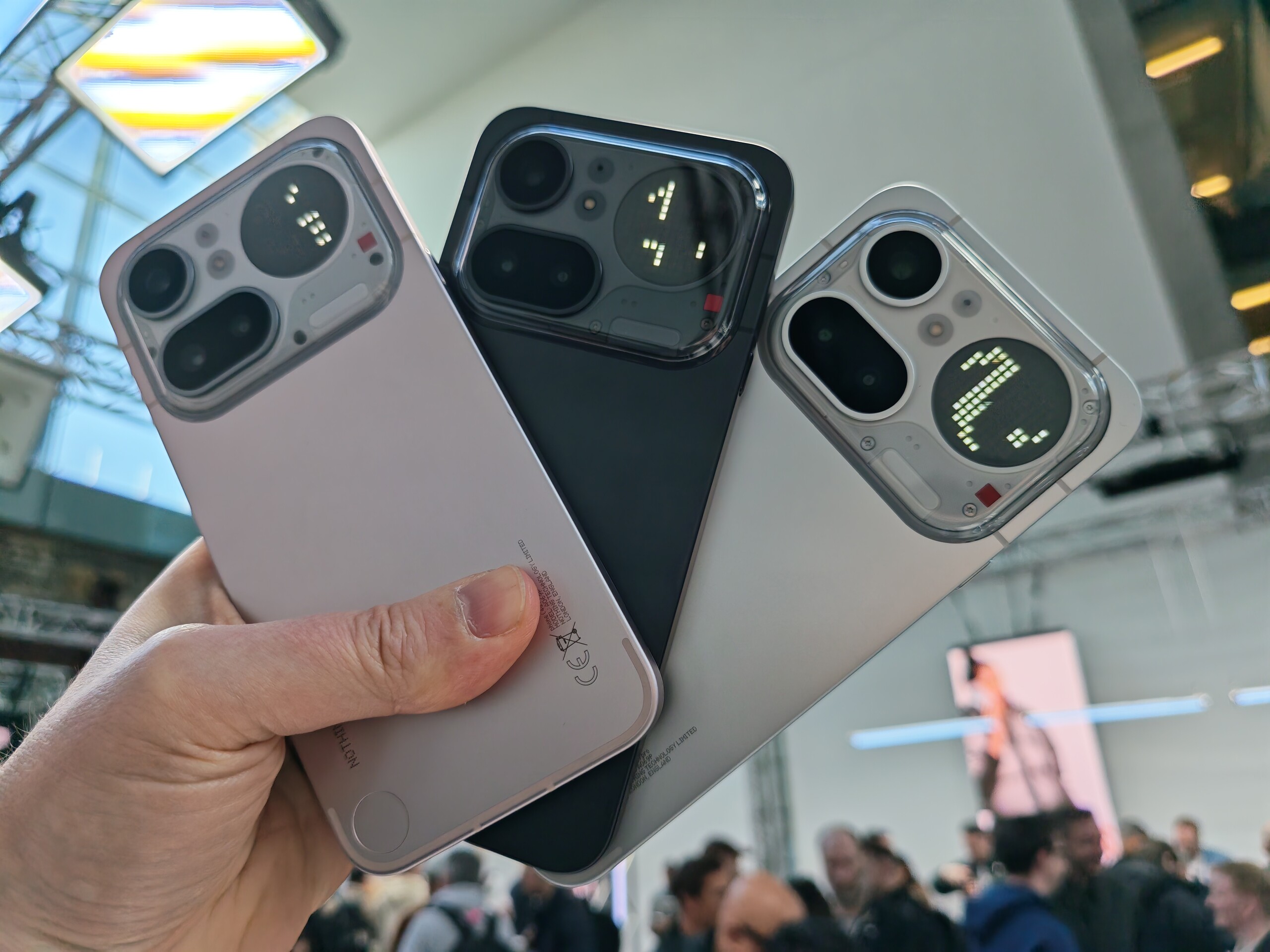
Nothing Reportedly Plans Major Global Pullback as Smartphone Sales Face Pressure
Nothing may be preparing for one of the biggest strategic shifts in its young history, as rising component costs and weaker-than-expected smartphone sales reportedly push the company to scale back its global ambitions.
Founded by Carl Pei after his departure from OnePlus in 2020, Nothing quickly gained attention with its transparent design language, stylish earbuds, and bold attempt to shake up the smartphone market. Its phones built a loyal following thanks to clean software, distinctive hardware, and a strong brand identity. However, the smartphone industry has become increasingly difficult for smaller brands, especially as memory prices continue to rise and competition intensifies across key markets.
According to a recent report, Nothing is preparing to leave at least 12 markets, with Japan, the Middle East, and parts of Europe said to be among the affected regions. The company is also reportedly planning significant job cuts, with its global workforce potentially reduced by around 40%.
The reported restructuring may hit research and development teams particularly hard. Around half of Nothing’s China-based R&D staff could be affected, while its London team may see cuts of around 30% to 40%. If accurate, this would suggest the company is not just trimming regional sales operations, but reassessing the scale of its entire product development strategy.
The main reason behind the reported retreat appears to be disappointing smartphone sales outside India. The Nothing Phone (4b) has allegedly shipped only around 20,000 units worldwide since launch. Meanwhile, combined shipments of the Nothing Phone (4a) and Phone (4a) Pro are reportedly around 150,000 units.
India, however, remains the bright spot for Nothing. The company has invested heavily in the Indian market, where its focus on design, pricing, and online-first marketing appears to be paying off. Market data recently identified Nothing as India’s fastest-growing smartphone brand in Q2 2026, with shipments rising 105% year-over-year.
That growth does not include CMF, Nothing’s budget-focused sub-brand, which was spun off into a separate business last year. But CMF is also facing its own challenges. The brand reportedly has no new smartphone planned for 2026, with rising memory prices making it difficult to build a successor that offers strong value at an aggressive price.
That is a major issue for CMF, which was designed around affordable hardware and competitive pricing. The pressure is even greater because India’s sub-Rs 20,000 smartphone segment reportedly declined 45% year-over-year in Q2 2026. With demand shrinking and component costs rising, launching a low-cost device with strong margins has become much harder.
At least one phone originally planned for CMF has reportedly been moved into the main Nothing lineup, where a higher price point may be easier to justify. Adding to the uncertainty, CMF India head Himanshu Tandon has stepped down, leaving the young brand without both a new smartphone for 2026 and one of the executives who helped build its presence in a crucial market.
The timing is notable because Carl Pei’s former company, OnePlus, is also going through a period of change. OnePlus recently confirmed that it would stop launching new products in Europe and North America. While separate claims have suggested the company could eventually reduce its presence in India, OnePlus has denied those reports and says its Indian operations remain unchanged.
Pei has not been involved with OnePlus since 2020, so the situations are not directly linked. Still, the similarities are hard to miss. Both companies were built around challenging larger smartphone brands, offering enthusiast-friendly products, and using bold marketing to stand out. Now, both appear to be dealing with the harsh realities of a crowded and cost-sensitive smartphone market.
For Nothing, the next few months could be critical. If the reports are accurate, the company may shift from chasing broad global expansion to focusing on fewer, more profitable markets, especially India. That could help stabilize the business, but it may also reduce the brand’s visibility in regions where it once hoped to grow.
At this stage, the information remains unconfirmed. Nothing has not officially announced a global retreat or major layoffs, and companies rarely acknowledge such moves before they are finalized. Any public response is likely to emphasize commitment to core markets and long-term product plans.
Still, the situation highlights a larger problem facing smaller smartphone brands in 2026. Rising memory prices, weaker demand in budget segments, and intense competition from established players are making it harder than ever to succeed globally. Nothing still has one of the most recognizable identities in the Android market, but strong branding alone may not be enough.
Whether this becomes a temporary reset or a major retreat from the global smartphone race will likely become clearer soon. For now, India appears to be Nothing’s strongest growth engine, while the company’s wider international strategy may be heading for a significant rethink.