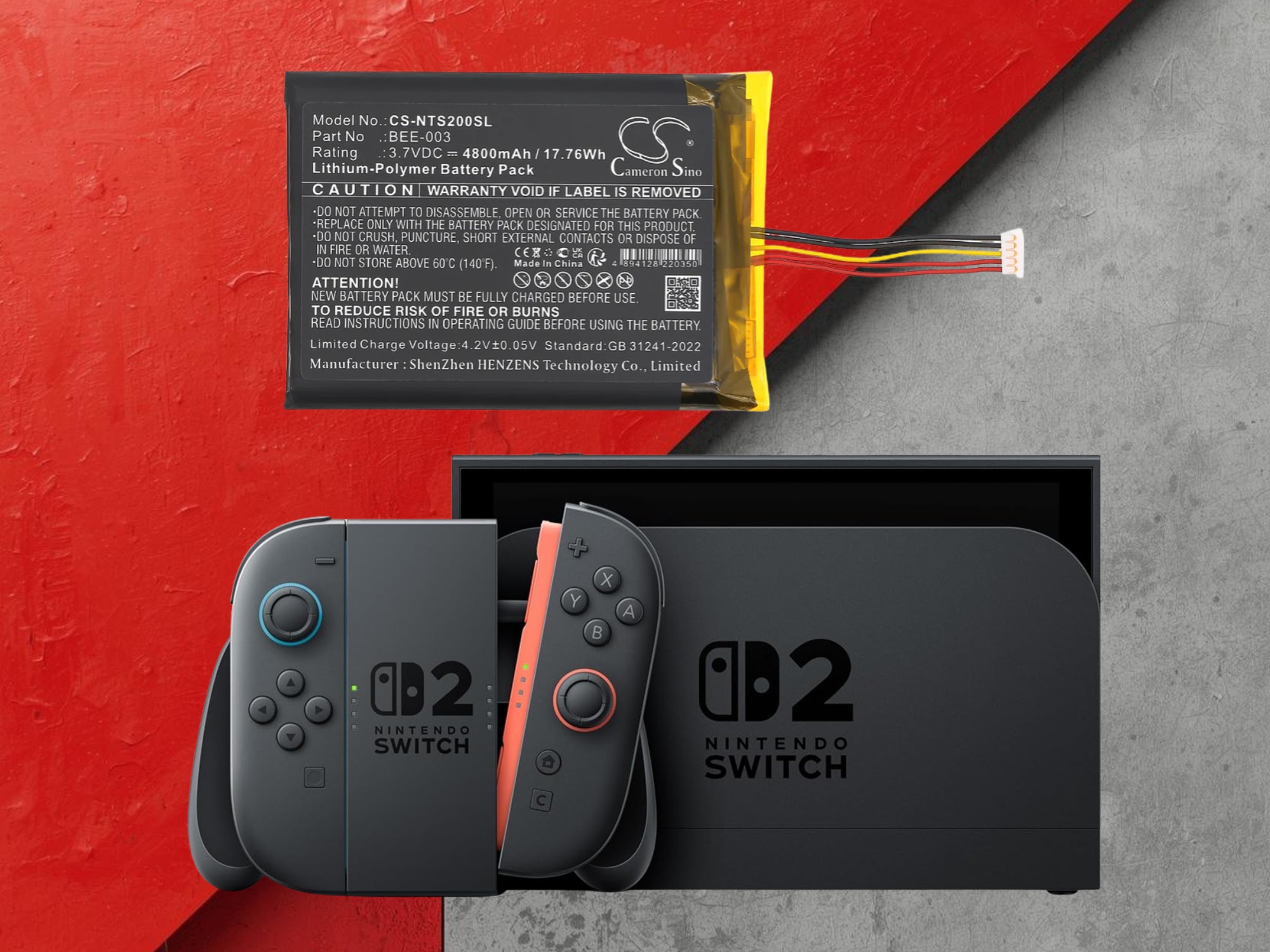
Nintendo’s Switch 2 is already facing a familiar problem for modern handheld devices: when something goes wrong, fixing it isn’t always simple. Repair specialists have criticized the console for being unusually difficult to service, even compared with the original Switch. And because battery wear is one of the most common reasons players contact Nintendo Support, the company is reportedly preparing a notable hardware change that could make battery replacement far more practical, at least for some buyers.
A report out of Japan says Nintendo is looking to adjust the Switch 2’s design to meet upcoming European Union requirements. The EU’s Right to Repair directive, passed in 2024, is scheduled to take effect in July 2026. The goal is to give consumers clearer, easier options to maintain and repair electronics rather than replacing them outright, a policy shift aimed at cutting costs for owners and reducing the growing problem of e-waste.
Right now, Nintendo’s plan is said to focus on Europe, meaning Switch 2 units sold in the EU could get a revised internal design that makes battery swapping easier. While that change is reportedly regional for the moment, it could eventually influence models sold in other markets, including Japan and North America, especially if Nintendo decides it’s more efficient to standardize the hardware worldwide.
Batteries aren’t the only component under pressure. The Joy-Con 2 controllers are expected to see revisions as well. Stick drift may be the issue that draws the most attention, but the controllers also rely on rechargeable lithium-ion batteries that naturally degrade with time and repeated charging cycles. If regulations and consumer expectations push for better serviceability, accessories could end up benefiting alongside the console itself.
So how big is the Switch 2 battery concern right now? Since the system has only been on the market since June 2025, long-term battery reliability is still an open question. A few isolated reports of battery swelling have surfaced, but nothing that clearly signals a widespread defect. The larger worry is what happens if your battery does fail outside of warranty: teardown findings suggest the battery is difficult to reach even after opening the handheld, and it’s held in place with strong adhesive. That combination can turn a common repair into a frustrating, risky job for regular owners and even for some independent repair shops.
If Nintendo does redesign the Switch 2 for easier battery replacement, it could come with trade-offs. Any internal revision can affect manufacturing complexity and cost, and hardware decisions may become even more sensitive if component constraints are already impacting production. In some cases, companies choose to apply a single improved design globally rather than manufacture multiple regional versions, but it’s too early to know which path Nintendo will take.
Another unanswered question is how Nintendo might handle warranty policies once the EU repair rules are in place. Consumers may gain more access to spare parts and repair options, but how that intersects with official service programs could shape the real-world experience for Switch 2 owners.
For now, the headline is clear: as the EU’s repairability laws approach, Nintendo may be preparing a Switch 2 redesign that makes battery replacement easier, a move that could ultimately improve long-term ownership and reduce unnecessary electronic waste.