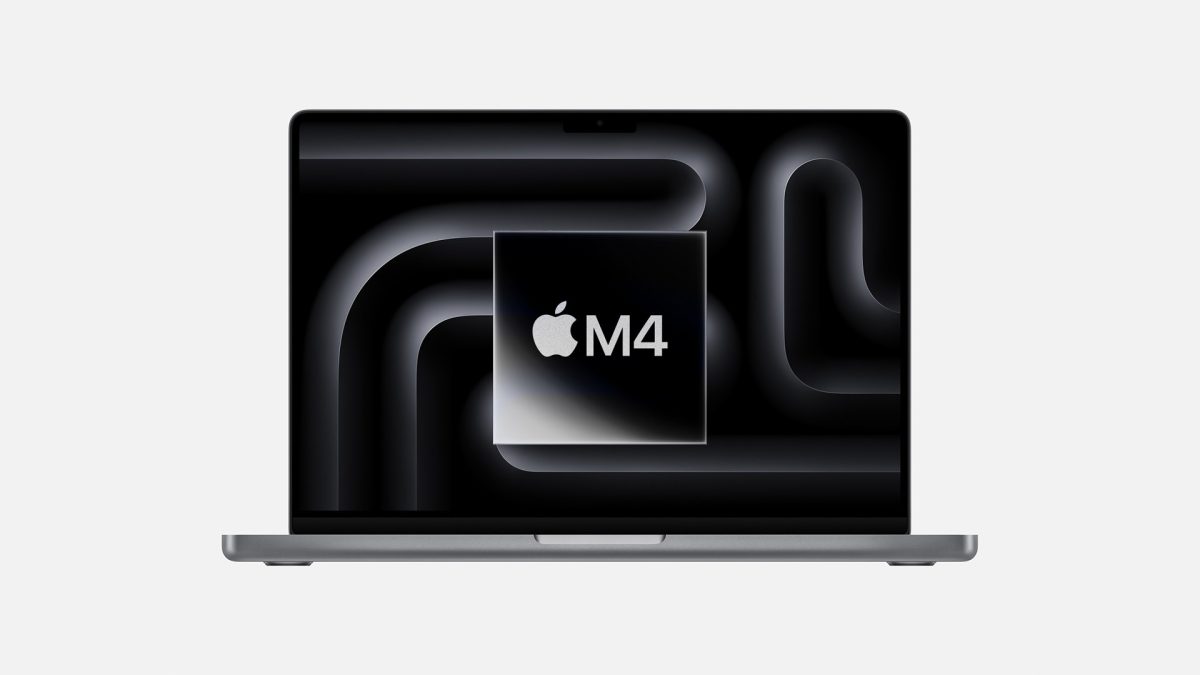
Apple recently introduced its new line of Macs powered by the impressive M4 chips, showcasing a substantial boost in performance that has received rave reviews from technology enthusiasts and critics alike. However, a surprising limitation has come to light: these state-of-the-art M4 Macs are unable to support virtual machines running older macOS versions, specifically those below macOS Ventura 13.4. This unexpected issue has raised concerns among developers and users who frequently utilize older operating systems for various testing and compatibility tasks.
Renowned tech analyst Howard Oakley of Eclectic Light Company, alongside security researcher Csaba Fitzl, has shed light on this problem, which has also been officially noted in Apple Feedback. The glitch significantly affects popular virtualization software like UTM, leaving users staring at a dreaded black screen instead of a functioning virtual machine. Essentially, this indicates that the virtual machine has failed to initiate due to restrictions in the kernel boot process, showing only one active virtual core despite multiple cores being available.
This issue is exclusive to the latest M4 Macs. Earlier models, including those with M1, M2, and M3 chips, do not experience these challenges and can smoothly run older macOS versions, like Monterey and its predecessors. Therefore, developers and users who rely heavily on older macOS versions might want to rethink upgrading to the new M4 MacBook Pro, M4 Mac mini, or the latest 24-inch M4 iMac.
For those willing to embrace recent advancements, the new M4 Macs perform excellently with updated software frameworks, supporting macOS Ventura 13.4 or later, including macOS Sonoma 14 and macOS 15. As of now, Apple has faced the challenging task of possibly releasing IPSW files for older macOS versions to rectify this issue, although it seems unlikely given the age of some of these firmware versions.
These new restrictions add to a list of previous limitations in using virtual machines on Apple Silicon Macs, such as the inability to run App Store apps. Interestingly, Apple has addressed similar issues in the past by allowing iCloud sign-ins within macOS virtual machines via macOS Sequoia, leading to hope that a solution might be on the horizon. As this story develops, further updates will undoubtedly provide more clarity and guidance for those navigating this obstacle.