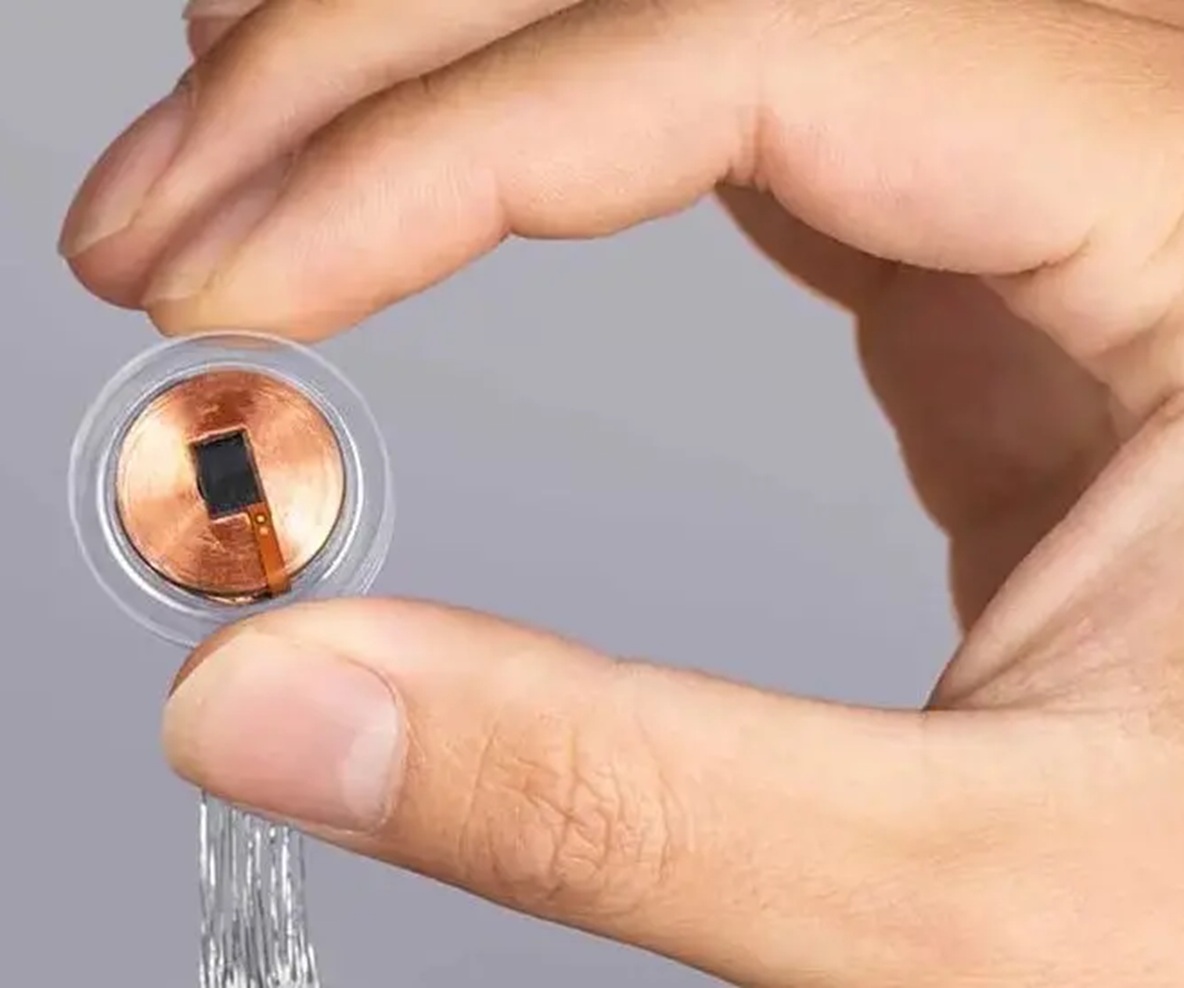
Neuralink to begin US human trials in October, testing thought-to-text brain implant
Elon Musk’s neurotechnology company is preparing to launch a US clinical trial this October that aims to translate imagined speech into text. The study focuses on a brain-computer interface designed to help people with severe speech and motor impairments communicate more easily, potentially transforming how assistive technology works.
According to company president DJ Seo, Neuralink has received clearance from the US Food and Drug Administration to proceed under an investigational device exemption. Speaking at an event in Seoul, Seo outlined the near-term and long-term ambitions of the project: “We’re currently envisioning a world where in about 3 to 4 years, there will be someone who’s otherwise healthy who’s going to get a Neuralink. If you’re imagining saying something, we would be able to pick that up.”
The immediate goal is clinical: develop a reliable, wireless brain-computer interface that lets the brain communicate directly with electronic devices. Neuralink is already testing implants that allow people with paralysis to control a computer cursor using their thoughts. The next step, showcased in this trial, is more ambitious—capturing neural activity associated with intended speech and turning it into text in real time.
What makes this phase especially noteworthy is the company’s stated plan to expand functionality over time. Beyond restoring communication, the team says future versions could let users query artificial intelligence models purely by thinking, opening the door to hands-free, silent interaction with digital tools. Longer term, Neuralink envisions implants for otherwise healthy people by the end of the decade, though the near-term focus remains on medical applications that improve quality of life for those with serious conditions.
Key takeaways for readers:
– Clinical trial starts in the US this October with FDA investigational approval.
– Core objective is thought-to-text communication for people with speech and motor impairments.
– Current implants already enable mind-controlled computer use for people with paralysis.
– Future upgrades are expected to support direct interaction with AI systems via thought.
– The company projects that healthy volunteers could receive implants within three to four years.
If successful, the trial could mark a major milestone for neurotechnology, moving mind-to-text communication from lab demos toward practical, everyday use. For individuals living with paralysis or loss of speech, that could mean faster, more intuitive communication and greater independence—without relying on eye tracking, switches, or voice recognition. As the study begins, all eyes will be on safety, accuracy, and reliability—three factors that will determine how quickly brain-computer interfaces move from experimental therapy to mainstream assistive tech.


