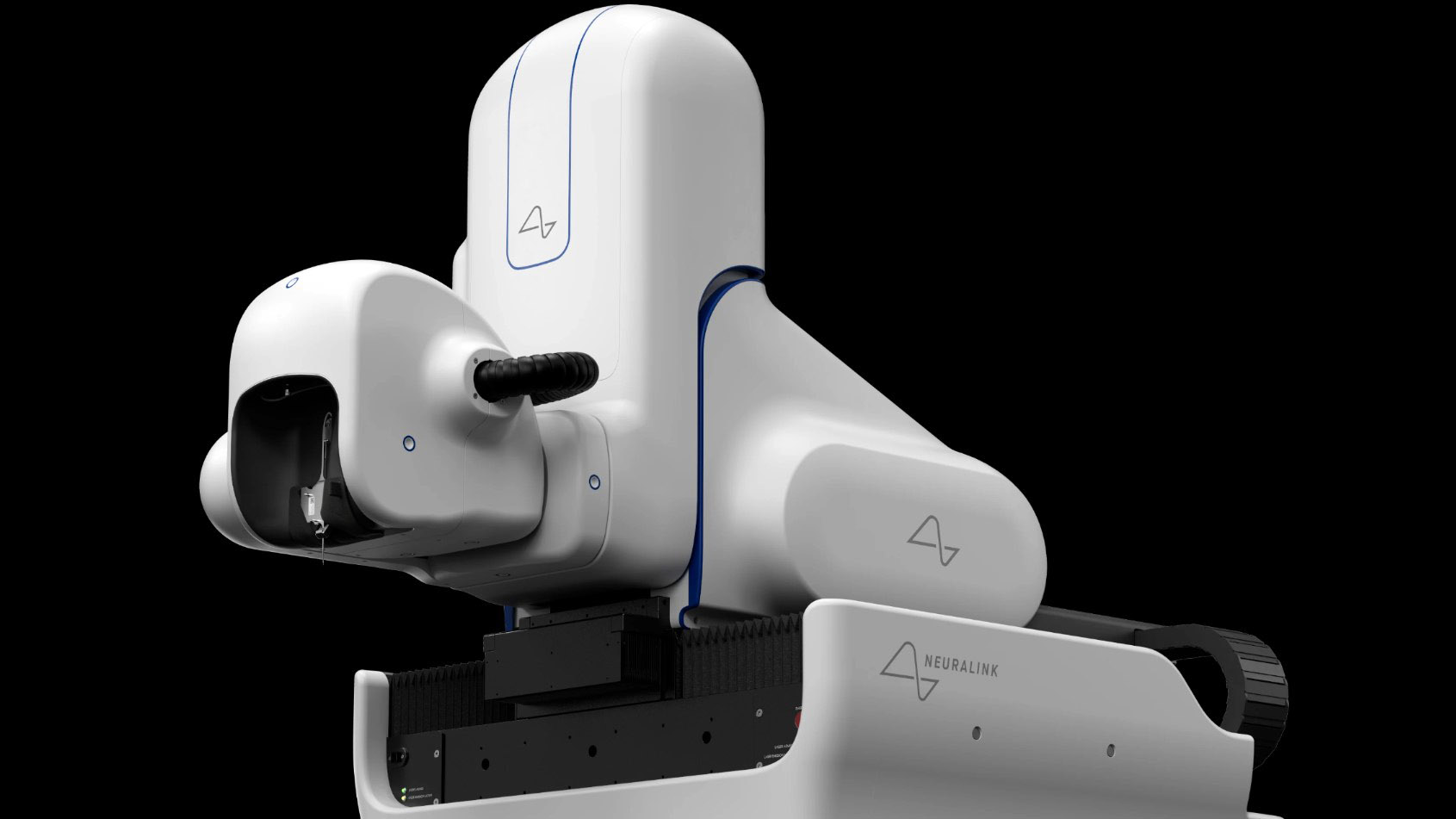
In a comprehensive podcast discussion, Elon Musk joined forces with DJ Seo, President of Neuralink, Matthew MacDougall, Head Neurosurgeon, and Brain Interface Software Lead Bliss Chapman. They spoke about the potential that their brain-computer interface (BCI) technology has for enhancing human cognitive capabilities.
The conversation highlighted a significant milestone—Neuralink’s successful implantation of a BCI device in a second human trial participant. Musk expressed optimism about the procedure, revealing that the individual has achieved the ability to control a computer mouse cursor solely with their mind. This advancement follows the achievement of Neuralink’s first human trial participant, Noland Arbaugh.
The Neuralink team disclosed that they faced some challenges during the first implant procedure, including the retraction of electrodes. To address this issue, they improved data compression algorithms to enhance cursor control speeds. For the second patient procedure, the focus was on refining surgical techniques, ensuring deeper electrode penetration, and eliminating air pockets that could lead to electrode retraction.
Delving into the broader implications of their work, Musk theorized on how Neuralink’s BCI technology could serve as a safeguard in humanity’s future interactions with artificial intelligence (AI). By augmenting the communication bandwidth between humans and AI, Musk believes this could facilitate better synergy and prevent AI from outpacing human interactions, thus bolstering AI safety.
The discussion reiterated Neuralink’s ambitious objective of recruiting eight additional participants for brain implant trials by the end of the year. Musk and his team plan to introduce enhancements to the device, such as more electrodes, faster processing chips, and potentially the incorporation of multiple brain implants.
As the field of mixed reality continues to advance, technologies like the Meta Quest 3 headset demonstrate the interconnectedness of our lives with digital innovations. It’s a time where the lines between physical and digital realities are blurring, and devices like Neuralink’s brain implants could eventually play a critical role in this evolving digital narrative.
This profound convergence of technology and human experience offers a glimpse into a future where our interactions, safety measures, and even our perceptions are deeply integrated with the digital extensions of ourselves. As Neuralink continues to develop, it stands on the forefront of not only medical advancement but also the definition of human identity in the age of AI.


