MSI MS-C9ZA Fanless Industrial Mini PC Debuts With NVIDIA Jetson Orin Nano and 67 TOPS AI Performance
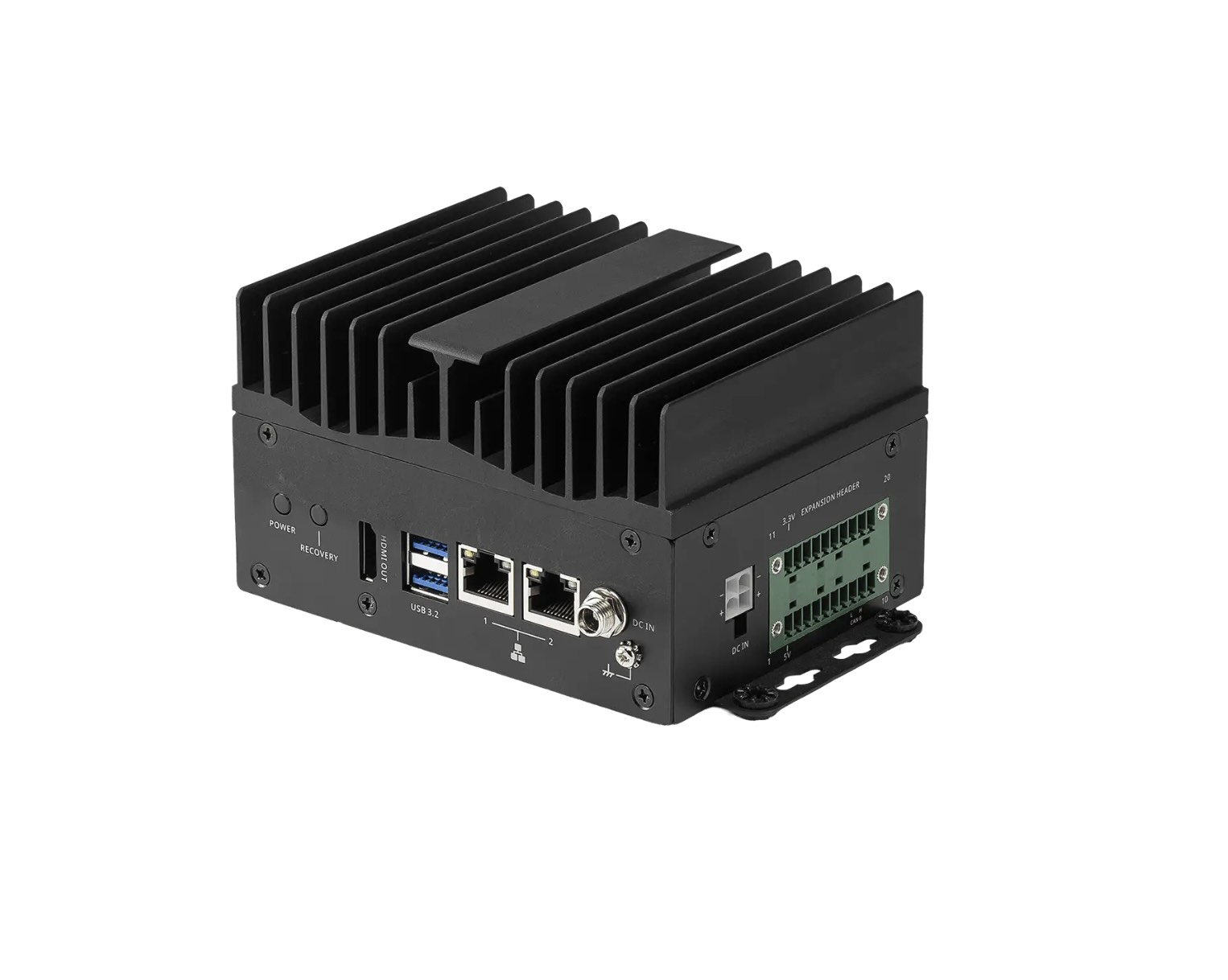
MSI has introduced a compact new industrial mini PC called the MS-C9ZA, a fanless system designed for AI computing, automation, robotics, and edge-based workloads. Built around NVIDIA’s Jetson Orin Nano platform, the MS-C9ZA combines an ARM-based processor, Ampere graphics, and a rugged passive-cooling design in a space-saving chassis.
At the heart of the MSI MS-C9ZA is a 6-core ARM CPU using Cortex-A78 AE cores, supported by 4 MB of L3 cache. The system also includes 8 GB of LPDDR5 memory running at 3,200 MT/s, with memory bandwidth rated at around 102 GB/s. While the RAM is fixed and cannot be upgraded, the hardware configuration is aimed at reliable industrial performance rather than traditional desktop expandability.
One of the most notable features of the MS-C9ZA is its integrated NVIDIA Ampere-based GPU. It comes with 1,024 CUDA cores and 32 Tensor cores, giving the mini PC up to 67 TOPS of INT8 AI performance. That makes it suitable for demanding edge AI tasks such as real-time image analysis, machine vision, smart manufacturing, and autonomous equipment control.
The fanless design is another major advantage for industrial environments. Instead of relying on active cooling, the MS-C9ZA uses a large heatsink to dissipate heat. This reduces noise, limits dust intake, and improves long-term reliability in harsh or compact deployment areas. With dimensions of 126 x 96 x 74 mm, or about 4.96 x 3.78 x 2.91 inches, the system is small enough to fit into tight spaces while still offering a robust industrial build. It weighs around 1 kg, or roughly 2.2 pounds.
Connectivity is a key part of the MS-C9ZA’s appeal. The industrial mini PC includes dual USB 3.2 Gen 2 Type-A ports, one USB 2.0 Type-C port, HDMI, and dual Gigabit Ethernet. It also supports 8-bit GPIO with a 5V to 35V range, dual I2C, dual UART, and one CAN interface. These options make it practical for automation systems, robotics controllers, data acquisition setups, embedded projects, and other industrial applications that require flexible I/O.
For storage, the MS-C9ZA ships with a 256 GB SSD. Users can upgrade storage through an M.2 2280 slot, and there is also a second M.2 2230 slot available. MSI also offers optional 5G connectivity through a daughter board, which could be useful for remote industrial deployments, mobile edge AI systems, or IoT installations that need cellular networking.
The MSI MS-C9ZA is clearly not aimed at the average home PC buyer. Instead, it targets businesses, developers, system integrators, and industrial users who need a compact AI-ready computer that can operate quietly and reliably without a fan. Its combination of NVIDIA Jetson Orin Nano hardware, strong AI acceleration, broad industrial I/O, and passive cooling makes it a compelling option for edge computing and embedded AI applications.
Pricing and availability have not been clearly confirmed yet. As with many industrial and enterprise-focused systems, interested buyers will likely need to contact MSI directly for configuration details and a price quote.
For users simply looking for a regular mini PC for everyday computing, gaming, or office use, a consumer-focused Ryzen-powered mini PC may be a more practical choice. But for industrial automation, AI inference, robotics, and rugged embedded deployments, the MSI MS-C9ZA stands out as a compact fanless mini PC built for specialized workloads.