MSI at 40: A Look Back at Four Decades of PC Innovation
In the fast-moving world of technology, even six months can feel like a lifetime. New processors arrive, graphics cards evolve, laptops get thinner and smarter, and artificial intelligence reshapes the way people work and play. Against that backdrop, 40 years is more than a milestone. It is a full era of transformation.
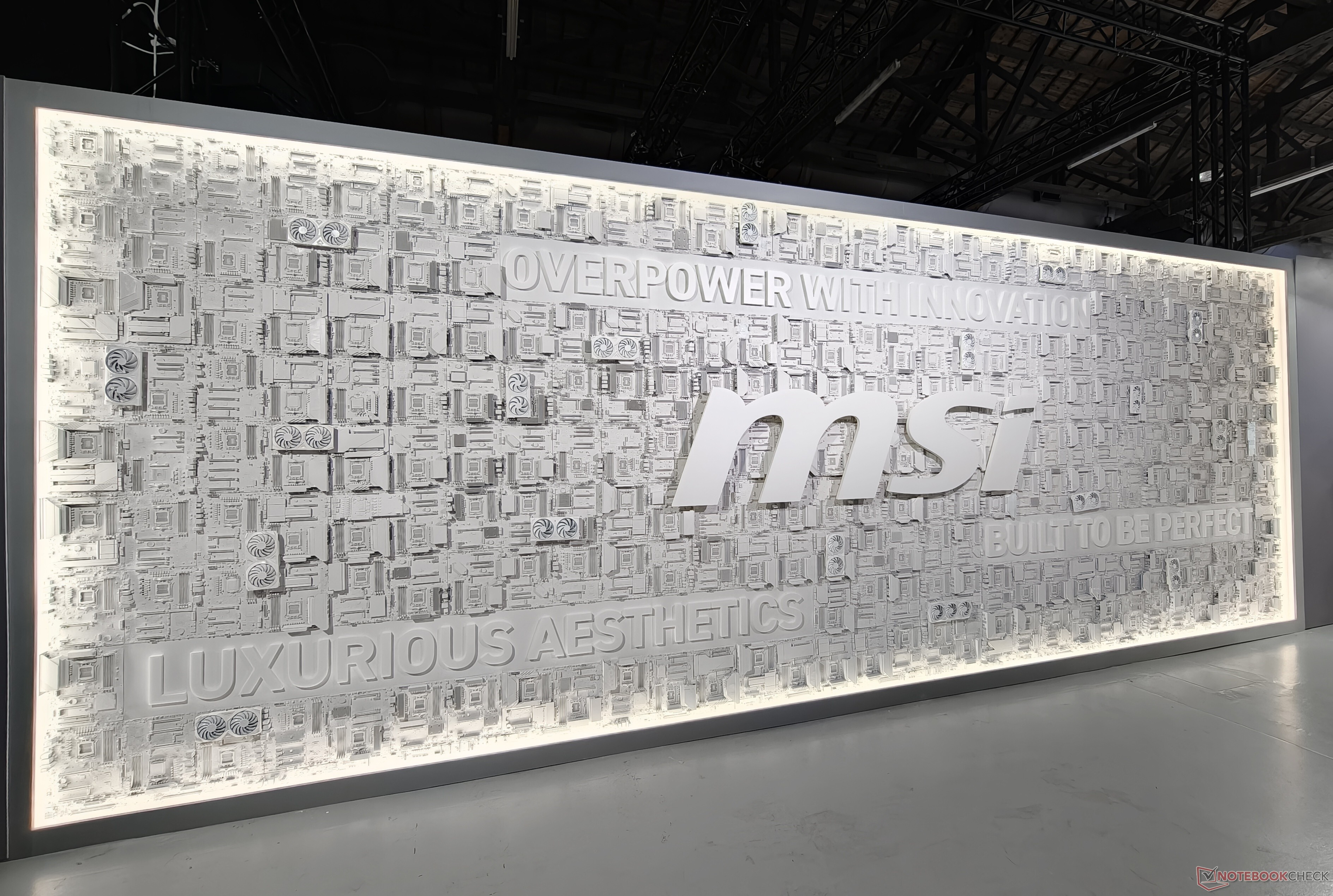
MSI’s 40th anniversary exhibition offered a rare look at how far personal computing has come. Rather than feeling like a simple corporate showcase, it felt like a journey through the history of modern hardware, gaming, engineering, and digital culture. It was a reminder that every major leap in computing is built on years of research, design, manufacturing expertise, and the people behind the machines.
The exhibition captured the nostalgia of earlier computing days, when a new motherboard, gaming laptop, or desktop system could feel revolutionary. It brought back memories of the hardware that enthusiasts once dreamed about, the software that shaped daily productivity, and the games that defined entire generations of PC users.
MSI’s story began with early motherboard development, including its first 286 motherboard. At the time, it would have been difficult to imagine how much the company would grow or how dramatically the PC industry would change. Decades later, MSI is associated with high-performance motherboards, gaming laptops, handheld gaming devices, creator systems, and powerful AI-focused hardware.
Products such as the X870E Godlike motherboard, Titan 18 HX AI laptop, and Claw 8 EX AI+ handheld gaming device show just how far the company has moved beyond its early beginnings. These devices reflect a broader shift in the technology industry, where performance, portability, gaming, creativity, and artificial intelligence are increasingly connected.
What makes MSI’s 40-year journey especially interesting is that the basic reasons people use computers have remained familiar. People still use PCs to work, create, communicate, learn, and play. What has changed is the scale, speed, and intelligence of the experience. Tasks that once required bulky desktops can now happen on sleek laptops or portable gaming machines. Complex workloads that once seemed out of reach are now handled by advanced processors, GPUs, and AI-powered systems.
Artificial intelligence is now one of the biggest forces shaping the next stage of computing. While there is plenty of debate around the current AI boom, it is clear that major technology companies are investing heavily in AI hardware, cloud infrastructure, high-performance computing, and consumer devices. From data centers to personal laptops, AI is becoming part of the foundation of modern computing.
MSI has had both successes and challenges over the years, as any long-running technology company does. But its role in the PC hardware industry is difficult to ignore. From motherboards and graphics-focused systems to gaming laptops and enterprise platforms, the company has helped support the evolution of computing across homes, offices, gaming setups, creative studios, and professional environments.
The 40th anniversary exhibition was ultimately more than a celebration of MSI’s past. It was a reminder of how quickly technology changes and how much innovation is required to keep pace. The journey from early PC components to AI-ready machines shows how the computing world has moved from simple personal systems to an interconnected ecosystem spanning edge devices, cloud platforms, and high-performance data infrastructure.
As MSI looks toward the future, the next 40 years may bring even more dramatic changes. Artificial intelligence, immersive gaming, advanced cooling, next-generation processors, and new device categories will likely redefine what people expect from their computers.
If the past four decades are any indication, the future of PC technology will continue to be faster, smarter, and more ambitious. MSI’s 40-year milestone stands as a snapshot of that progress, honoring where computing began while pointing toward where it may go next.


