RTX 5090 in MSI Prebuilt Gaming PC Reportedly Fails During AI Use, MSI Replaces the GPU
A high-end RTX 5090 inside an MSI prebuilt gaming PC reportedly stopped working without warning after its owner powered on the system and noticed the graphics card was no longer appearing inside the AI software he was using. What followed was a frustrating troubleshooting process, a surprising warranty response, and an even more surprising claim: the GPU may have failed because of the AI workload being run on it.
According to the user’s account, the system had been used for local AI tasks, including running a 27B AI model through Ollama. When the RTX 5090 suddenly stopped being detected, the owner tried several common fixes. He moved from Linux to Windows, removed and reinstalled drivers, and even attempted driver cleanup through Safe Mode. None of it brought the graphics card back.
At that point, the owner contacted MSI for support and arranged an RMA. In many cases, a failed RTX 5090 can turn into a complicated warranty situation, especially if there is any suspicion of cable damage, power connector issues, or user mishandling. The RTX 5090 is also difficult to replace due to limited availability, which can make the RMA process even more stressful for buyers.
In this case, however, MSI reportedly stepped in and provided a replacement. The company allegedly had no spare RTX 5090 units available locally, so it imported a replacement graphics card from Taiwan for the customer. For a product as expensive and hard to find as an RTX 5090, that level of after-sales support stands out.
The unusual part of the story is MSI’s reported explanation. The company allegedly told the owner that the AI software being used was the cause of the GPU failure. That claim immediately raises questions, because AI workloads are one of the key reasons many users buy flagship NVIDIA graphics cards in the first place.
The owner was reportedly running Ollama with a 4-bit quantized version of Qwen3.8-27B. He also claimed that GPU temperatures were not extreme during use, staying roughly between 30°C and 50°C. Those temperatures are well within normal operating limits for a graphics card, especially one designed to handle demanding gaming, rendering, and AI tasks.
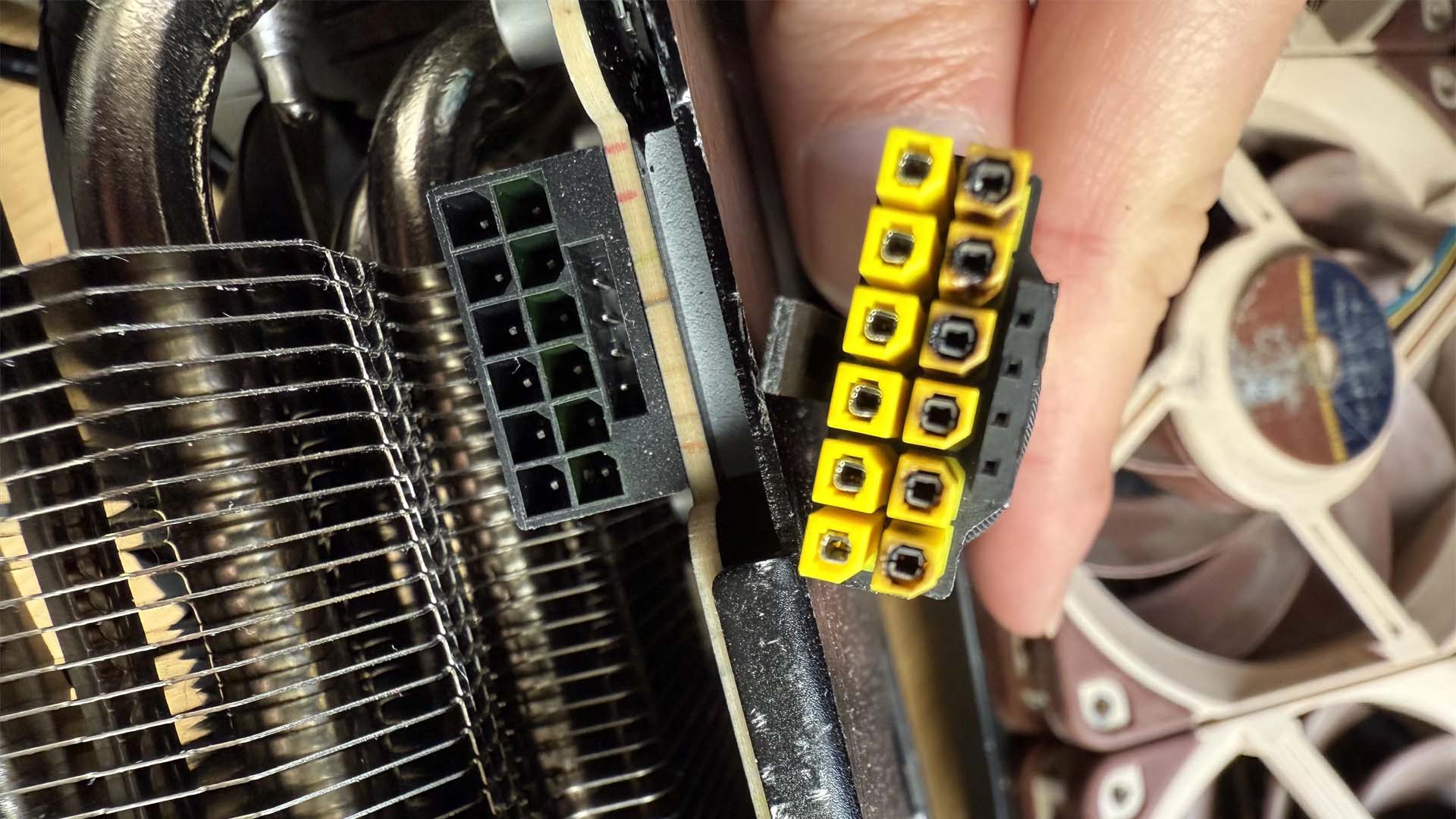
Because of that, the user does not believe the AI model itself destroyed the RTX 5090. If the temperatures were accurate and the card was not being pushed beyond safe operating conditions, the more likely suspects would be power delivery, the 12VHPWR connector, the cable, the adapter, or a manufacturing-related defect. However, without photos of the damaged card or connector, it is impossible to confirm exactly what happened.
The 12VHPWR power connector has been a major point of concern for recent high-end GPUs. Some users have reported melted connectors, burned cables, or sudden shutdowns, often tied to poor seating, cable bending, incompatible adapters, or excessive power draw. Some manufacturers have also been known to scrutinize warranty claims closely if a customer used a cable or adapter that was not approved by the company.
That makes MSI’s reported decision to replace the card even more notable. In many warranty cases, a company might deny service if it believes the product was damaged by improper use or unapproved accessories. Here, despite reportedly blaming the AI software, MSI still provided a replacement.
The owner later asked MSI to clarify which specific software caused the failure, but the company reportedly did not provide a follow-up answer. That leaves the situation unresolved. Was this really an AI workload issue? Was the RTX 5090 already defective? Did the power connector or cable play a role? Or was the explanation from customer support simply incomplete?
At this stage, the safest conclusion is that the story remains unverified but interesting. The user’s account suggests the RTX 5090 failed while being used for local AI processing, but the lack of images, detailed diagnostics, or a clear technical explanation makes it difficult to determine the true cause.
Still, the case highlights several important points for RTX 5090 owners and buyers of high-end gaming PCs. First, AI workloads can place sustained stress on a GPU, even if temperatures appear normal. Second, power connectors and cables should be checked carefully, especially with powerful cards that draw significant wattage. Third, warranty support can vary widely depending on the manufacturer, the circumstances, and the availability of replacement units.
For anyone using an RTX 5090 for AI, gaming, rendering, or workstation tasks, it is worth monitoring GPU temperatures, power draw, cable seating, and connector condition regularly. A premium graphics card should be able to handle heavy workloads, but small issues in power delivery can become expensive problems very quickly.
The biggest takeaway from this incident is that MSI reportedly handled the customer support side well, even in a difficult situation involving a scarce and costly GPU. Whether AI software truly caused the RTX 5090 failure remains unclear, but the replacement itself will likely be the part of the story most buyers remember.