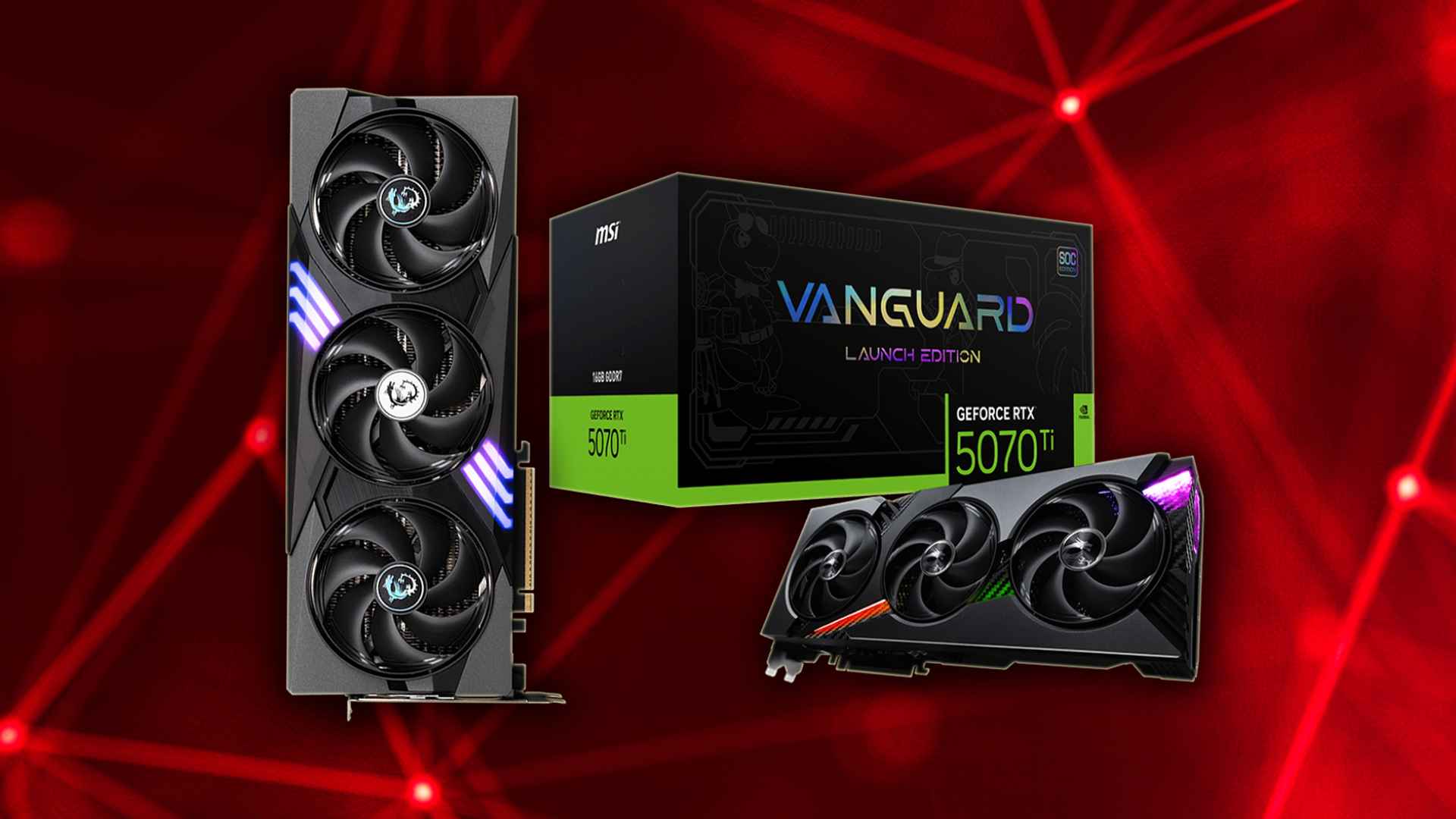
The graphics card market is witnessing a significant development as NVIDIA’s partners elevate the prices of their RTX 50 series, especially the GeForce RTX 5070 Ti. MSI’s recent listings reveal these hikes, casting a spotlight on the rising costs of these sought-after GPUs.
Recent observations suggest a scarcity in NVIDIA’s Blackwell Gaming GPUs stock, compounded by increasing price tags set by Authorized Board Partners (AIBs). Despite the GPUs not being widely available, AIBs are already upping their prices significantly beyond the recommended MSRP. MSI, for instance, has discreetly pushed up the prices for all its GeForce RTX 5070 Ti variants.
Unveiled just a couple of weeks ago with a launch price of $749 for the Founders Edition, the GeForce RTX 5070 Ti’s base models from vendors have also followed suit. MSI’s base offering, the GeForce RTX 5070 Ti 16G Shadow 3X, now retails at $819.99, a $70 jump from its initial pricing. The prices posted on MSI’s official portal reveal some models reaching the astonishing $999 mark, which matches the price of the GeForce RTX 5080 FE, despite the RTX 5070 Ti delivering less performance.
The Shadow 3X model hosts stock clock speeds, but those seeking a bit more power with models like the RTX 5070 Ti 16G Shadow 3X OC can expect to pay an additional $20 for a modest 30 MHz clock speed increase. Moving higher up the performance ladder, the RTX 5070 Ti Ventus 3X OC demands $899. Innovatively designed editions such as the RTX 5070 Ti 16G Inspire 3X OC Plus, GTX 5070 Ti Gaming Trio OC Plus, and the exclusive RTX 5070 Ti 16G Vanguard SOC collection are priced between $929 and $999.
This price trajectory is alarming, as it emerges even before the GPUs are adequately stocked in the market. The timing seems particularly critical with AMD prepping to introduce its Radeon RX 9070 XT at a potentially disruptive $599, promising to shake up the competition with more favorable pricing and hopefully, sufficient availability.
The escalating costs of these NVIDIA GPUs, in contrast to AMD’s upcoming release, suggest a pressing need for competitive pricing strategies that could offer better value to consumers compared to previous generations. Enthusiasts and gamers alike await to see how the market unfolds, with the hope that AMD’s latest would offer a compelling alternative.


