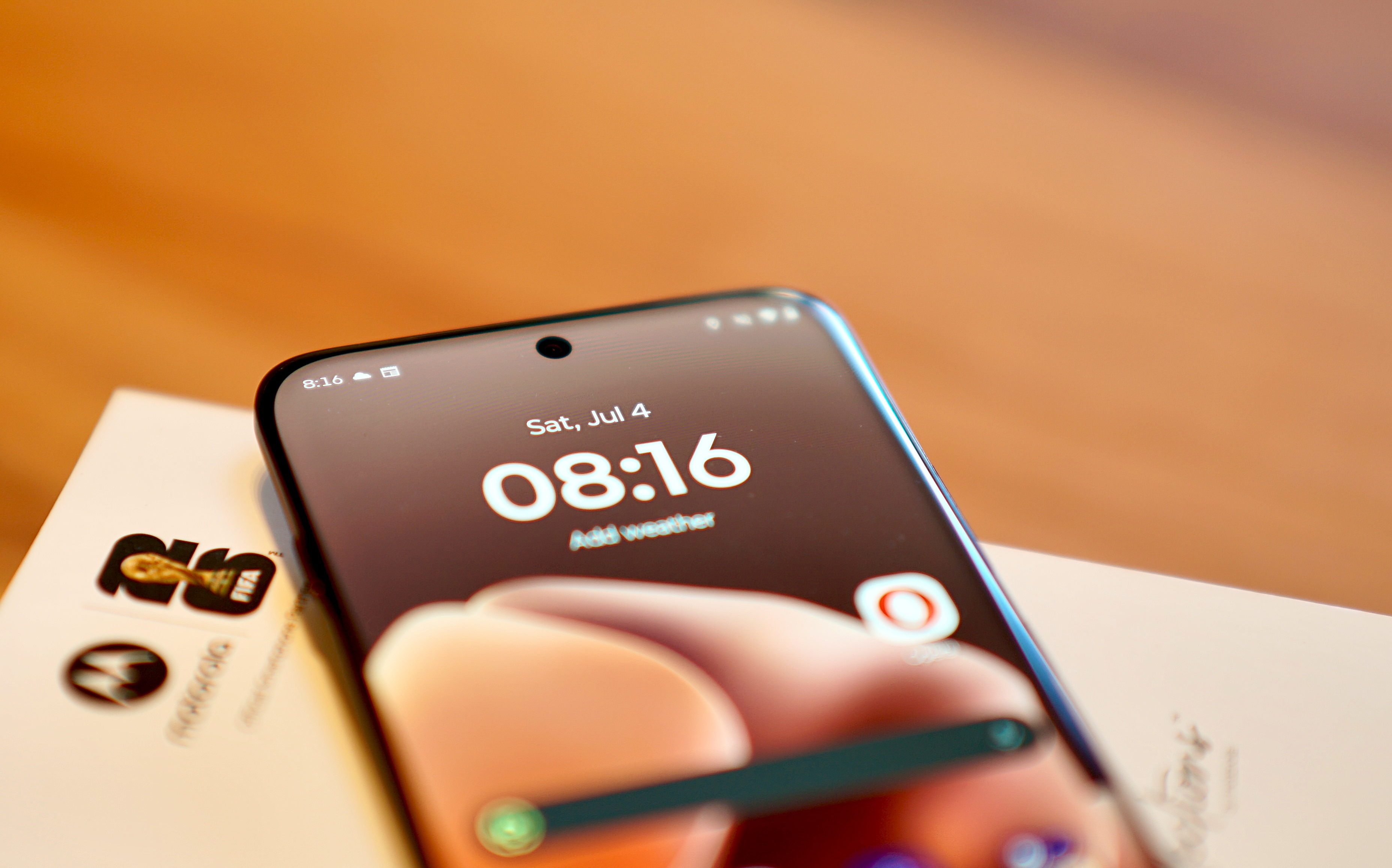
Motorola Edge 70 Pro Display Impresses With Extreme Brightness, But PWM Flicker Could Be a Concern
The Motorola Edge 70 Pro comes with a 6.78-inch AMOLED display that stands out as one of the brightest panels in its category. In lab testing, the screen reached an impressive peak brightness of up to 3,326 cd/m², making it especially useful for outdoor visibility, navigation, reading, and media use under direct sunlight.
Alongside its high brightness, the display also delivers excellent color accuracy. With a Delta E value of just 0.88, the Motorola Edge 70 Pro produces colors that are extremely close to real life. For users who edit photos, view creative work, or simply want a more natural-looking screen, this is a major strength.
The Motorola Edge 70 Pro display is significantly brighter than its predecessor. The panel recorded a center brightness of 1,684 cd/m², while the previous Edge 60 Pro reached 1,099 cd/m². That is a noticeable improvement of around 35 percent. In everyday use, this means the screen remains easier to read outdoors, even on bright summer days.
The peak brightness result is even more impressive. In the APL18 test, the Motorola Edge 70 Pro reached 3,326 cd/m², putting it ahead of many competing smartphones in the same class. Whether you are checking messages, using maps, watching videos, or browsing the web outside, the added brightness gives the phone a clear advantage.
Color performance is another highlight. A Delta E score of 0.88 means color differences are nearly impossible to notice with the naked eye. This level of accuracy is excellent for a smartphone display and makes the Edge 70 Pro a strong option for users who care about realistic colors. Product photos, portraits, videos, and graphics all appear balanced and precise.
Compared with other premium smartphones, the Edge 70 Pro performs very well in this area. Some rival devices produce slightly higher Delta E values, meaning the Motorola panel can appear more accurate in side-by-side comparisons. For mobile photo editing or reviewing visual content on the go, this is a meaningful benefit.
However, the display is not without a weakness. The AMOLED panel uses pulse-width modulation, or PWM, at 144 Hz for brightness control. This is a relatively low frequency compared with some other modern smartphones. While many users may not notice it, people who are sensitive to screen flicker could experience eye strain, discomfort, or headaches during longer viewing sessions, especially at lower brightness levels.
This could be important for users who often read at night, scroll through social media in dim lighting, or spend long hours looking at their phone. Anyone who has previously experienced discomfort with OLED displays should try the Motorola Edge 70 Pro in person before buying, if possible.
On the positive side, the display response time is excellent. The panel achieves a 1 ms black-to-white transition time, which helps make animations, scrolling, and gaming feel fast and smooth. Swiping between apps, moving through long webpages, and playing fast-paced games all benefit from the quick pixel response.
Overall, the Motorola Edge 70 Pro offers one of the most impressive displays in its price range. Its standout brightness, strong outdoor readability, excellent color accuracy, and fast response times make it a compelling choice for users who want a vivid and responsive smartphone screen.
The main drawback is the low 144 Hz PWM frequency. For most users, the display will likely feel bright, sharp, and premium. But for those sensitive to flickering, this could be a deciding factor. The Motorola Edge 70 Pro display is brilliant in many ways, but it is worth testing carefully if eye comfort is a top priority.


