Monster Hunter Outlanders Beginner Guide: Best Tips for Weapons, Party Building, Combat, and Progression
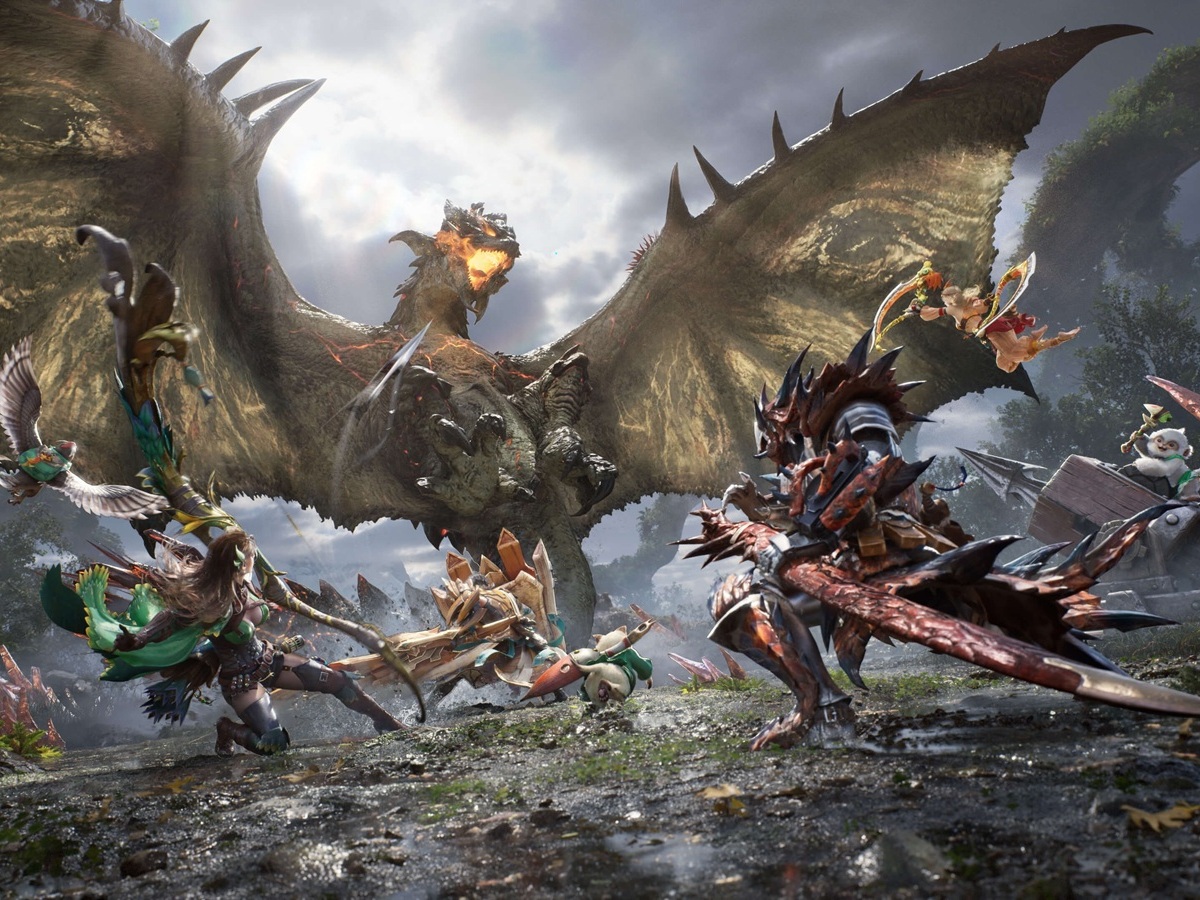
Monster Hunter Outlanders brings the monster-slaying formula to mobile as a free-to-play open-world survival adventure for iOS and Android. Developed by TiMi Studio Group under license from Capcom, the game sends players to Aesoland, a dangerous island filled with massive creatures, valuable resources, craftable gear, and plenty of secrets to uncover.
Whether you plan to hunt solo or team up with three other players, getting started can feel overwhelming. Between Adventurers, Buddies, weapon types, Radiant monsters, contracts, upgrades, and mobile controls, there is a lot to learn early on. This beginner guide breaks down the most important Monster Hunter Outlanders tips to help you progress faster, build a stronger team, and survive your first major hunts.
What is Monster Hunter Outlanders?
Monster Hunter Outlanders is an open-world survival action game built around exploration, hunting, gathering, crafting, and co-op play. Players explore the island of Aesoland, defeat monsters, collect materials, forge equipment, and take on increasingly dangerous creatures.
The game supports solo play and four-player multiplayer hunts, making it easy to approach battles your own way. If you enjoy crafting better weapons from monster parts, learning attack patterns, and improving your hunter over time, Outlanders keeps the core Monster Hunter loop intact while adapting it for mobile devices.
Key terms every beginner should know
Before jumping into tougher hunts, it helps to understand the game’s basic terminology.
Adventurers are playable characters. Your main character is called the Fated Adventurer, and this is the most flexible character you have at the start.
Recruited Adventurers are story characters you can unlock. Unlike the Fated Adventurer, they are usually tied to a specific weapon and class.
Classes are divided into three main roles. Assault characters focus on damage, Disruptors weaken enemies or control the battlefield, and Support characters provide healing, buffs, or other team benefits.
Buddies are companion characters that assist you during hunts. Palico, Rutaco, and Trillan align with the Assault, Disruptor, and Support roles, giving you another way to balance your team.
Radiant monsters are special creatures affected by a mysterious substance found on Aesoland. These monsters are more dangerous than regular versions and can become even more aggressive during battle.
Standard Contracts are used to recruit Adventurers. You can earn them through quests or by exchanging Ruta Coins.
Start with the Fated Adventurer
One of the best early tips for Monster Hunter Outlanders is to spend time with the Fated Adventurer before investing heavily in other characters. This character is customizable and can use every weapon and role, making it the ideal choice for testing your preferred playstyle.
The game includes several weapon types at launch, including Great Sword, Long Sword, Dual Blades, Hammer, Lance, Heavy Bowgun, Bow, and Charge Blade. Each weapon feels different, so do not rush into upgrading everything at once. Try them in real hunts, pay attention to attack speed and mobility, and decide which one fits you best.
The Fated Adventurer is also important because some content is limited to this character. While recruited Adventurers can be powerful in specific situations, your main character remains the most versatile option for learning the game.
Choose the right control scheme
Monster Hunter Outlanders gives players two main control options. The traditional layout uses multiple buttons and offers more direct control over combat actions. The simplified layout uses three main buttons for attack, dodge, and ultimate abilities, making it easier for newcomers or players who are less comfortable with mobile action games.
If you are new to Monster Hunter-style combat, start with the simplified controls until you understand dodging, positioning, and monster attack patterns. Once you are more confident, you can experiment with the traditional layout for greater precision.
The game also supports controllers, which may be the best option for players who want a more console-like experience on mobile.
Learn how lock-on targeting works
Lock-on is extremely useful, but it does not guarantee perfect hits. Holding the lock-on button opens a radial menu that lets you target specific monster parts, such as the head, wings, legs, or tail.
This is important because breaking monster parts can create openings, weaken attacks, or help your team deal extra damage. However, targeting a body part is only half the job. You still need to move into the right position and time your attacks carefully.
If you are using a melee weapon, learn where your weapon strikes during combos. If you are using a ranged weapon, practice aiming at weak points while staying out of danger.
Focus upgrades on one main weapon
Early resources are valuable, and spreading materials across too many weapons can slow your progress. A smarter approach is to choose one main weapon and upgrade it consistently.
Once you defeat a new monster, check whether you can craft stronger gear from its materials. Forging equipment soon after major hunts can make a big difference, especially before facing Radiant monsters or harder quests.
You can still experiment with different weapons through the Fated Adventurer, but when it comes to rare materials, prioritize the weapon you plan to use most often.
Build a balanced party
A strong party should cover all three major roles: Assault, Disruptor, and Support. Damage is important, but a team with no healing, buffs, or crowd control can struggle in longer hunts.
If your Adventurers do not cover every role, use a buddy to fill the missing gap. For example, if your team has plenty of damage but no support, bring a Support-type buddy. If you need more pressure on the monster, bring an Assault companion.
Recruited Adventurers come with preset weapons, roles, and unique ultimate abilities. Some may outperform the Fated Adventurer in specific fights, but you should learn their animations before relying on them. Their attacks may differ from the standard version of a weapon, and poorly timed combos can leave you open to punishment.
Use Raya if you received pre-registration rewards
Players should check the in-game mailbox for launch or pre-registration rewards. These rewards may include Raya, a Disruptor Adventurer who uses Dual Blades.
Raya can be useful early on because Disruptors help weaken monsters and create opportunities for the rest of the team. If you have access to her, test her in combat and see how she fits into your party setup.
Watch for red monster attack warnings
Combat in Monster Hunter Outlanders rewards patience and timing. Monsters often glow red before launching powerful attacks. When you see the red warning, prepare to dodge or reposition.
However, not every warning means the strike will happen instantly. In some encounters, the red glow can appear before a monster takes flight or begins a longer attack sequence. Do not panic dodge too early. Watch the monster’s movement and learn the timing of each attack.
The more you fight a monster, the easier it becomes to recognize its patterns, openings, and dangerous moves.
Use ultimate abilities at the right moment
Ultimate abilities become available once the character’s gauge is full. You can activate an ultimate by tapping the character portrait.
Some ultimates can force a major flinch, interrupt attacks, or create a big damage window. Instead of using them the moment they are ready, try saving them for key moments. For example, an ultimate can be especially useful when a monster is enraged, when a teammate needs breathing room, or when the team is focusing a broken part.
Prepare before fighting Radiant monsters
Radiant monsters are more dangerous than standard creatures. They have higher durability, stronger attacks, and may enter frenzied states that make them even harder to control.
Before challenging Radiant monsters, upgrade your main weapon, improve your armor, and make sure your party has a reliable mix of damage, support, and disruption. Going in underprepared can turn the fight into a long and punishing battle.
If you are struggling, return to earlier hunts, collect more materials, improve your gear, and try again.
Explore Aesoland thoroughly
Monster Hunter Outlanders is not only about fighting large monsters. Aesoland includes exploration activities, mini-games, gliding sections, and egg-collecting challenges.
Building watchtowers clears fog from the map, making it easier to discover new areas and plan routes. Ziplines and wind-generating devices also remain in place after you leave, which helps reduce travel time during future exploration.
Do not rush only from hunt to hunt. Exploring the map can reward you with resources, shortcuts, and useful progression opportunities.
Complete daily and weekly tasks
Daily and weekly tasks are a reliable source of experience, currency, and materials. If you want steady progression without wasting time, make these tasks part of your routine.
Even if you only play for a short session, completing basic objectives can help you stockpile resources for weapon upgrades, crafting, and character development.
Team up for tougher hunts
Monster Hunter Outlanders supports up to four players in co-op hunts. Multiplayer can make difficult encounters more manageable, especially when the team coordinates roles and focuses on monster weak points.
In test versions, players could deal extra damage when teammates attacked a broken monster part in quick succession. This makes teamwork valuable, especially during longer hunts where part-breaking and positioning matter.
If you are playing with others, communicate your role. A balanced squad with coordinated attacks will usually perform better than four players simply attacking at random.
Mobile requirements for Monster Hunter Outlanders
The recommended requirements list iOS 17 or Android 12 or later, along with at least 6 GB of RAM. The game also supports controllers.
Minimum requirements include iOS 15 on an iPhone 8 Plus with 3 GB of RAM, or Android 12 with 4 GB of RAM. Storage requirements are around 20 GB on iOS and 16 GB on Android, so make sure your device has enough free space before installing.
Performance may vary depending on your phone, settings, and available storage, so closing background apps and keeping extra space free can help improve stability.
Final beginner tips for Monster Hunter Outlanders
Take your time learning each weapon before spending rare materials.
Use the Fated Adventurer to experiment with roles and combat styles.
Keep your party balanced with Assault, Disruptor, and Support roles.
Upgrade one main weapon first instead of spreading resources too thin.
Watch for red monster attack warnings and learn dodge timing.
Target specific monster parts with lock-on, but reposition carefully.
Check your mailbox for rewards and useful early characters.
Build watchtowers and travel tools to make exploration easier.
Prepare properly before fighting Radiant monsters.
Complete daily and weekly tasks for steady progression.
Monster Hunter Outlanders is much easier to enjoy once you understand its systems. Focus on learning your weapon, building a balanced party, upgrading wisely, and studying monster behavior. With the right preparation, Aesoland becomes less intimidating and far more rewarding.