MIT Professor Warns AI Chatbots May Be Changing How We Connect With Each Other
A chatbot can write a sentence that feels deeply comforting: “That sounds really hard. I understand why that hurt you.”
For many people, words like these can feel warm, patient, and even empathetic. But there is an important difference between sounding caring and actually caring. Large language models do not feel compassion. They do not experience sadness, concern, love, or worry. They do not understand pain in the human sense. They simulate empathy by predicting the kind of response that is likely to feel supportive.
That difference is at the center of a growing debate about artificial intelligence, emotional dependence, and the future of human relationships.
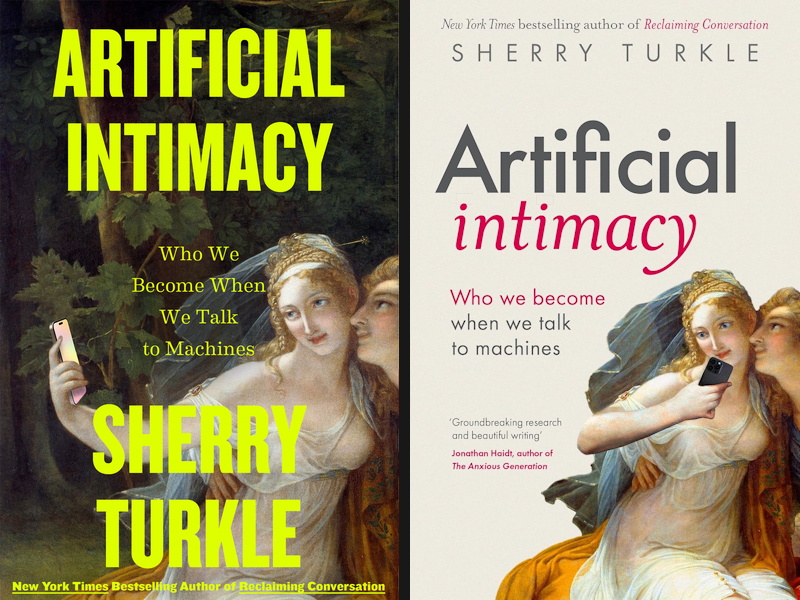
In her book “Artificial Intimacy: Who We Become When We Talk to Machines,” MIT professor Sherry Turkle explores what happens when people begin turning to AI chatbots for comfort, advice, companionship, and emotional support. Her warning is not simply that AI is becoming more advanced. It is that humans may be changing in response to it.
AI chatbots are already being used for deeply personal situations. People ask them for relationship advice after heartbreak. Some turn to them when therapy is too expensive, unavailable, or difficult to access. Parents may use chatbots to keep children entertained. Others rely on AI companions during loneliness, grief, or stress.
The appeal is easy to understand. Unlike people, chatbots are always available. They do not get tired, distracted, irritated, or overwhelmed. They often respond with patience, praise, validation, and encouragement. They rarely challenge us in the messy, uncomfortable ways that real people do.
But that convenience may come with a cost.
Real relationships require effort. They involve misunderstandings, compromise, emotional risk, disagreement, repair, and patience. Maintaining friendships, family bonds, romantic partnerships, and communities takes practice. When people increasingly bring their fears, conflicts, and emotional struggles to machines instead of other humans, they may spend less time developing the skills needed for real-world connection.
Turkle argues that this could lead to a kind of social “de-skilling.” In other words, people may gradually lose confidence in the difficult but essential work of relating to one another. If a chatbot always listens, always praises, and never truly needs anything from us, real human interaction can start to feel too demanding by comparison.
The danger is not that AI chatbots are rude or useless. In many cases, they can provide helpful prompts, calming language, or a sense of temporary relief. The concern is that they can create the feeling of being understood without any real understanding behind it.
A chatbot has no genuine interest in a person’s well-being. It does not worry about whether someone is becoming isolated. It cannot love, grieve, hope, or take responsibility. Its responses may sound emotionally intelligent, but they are not rooted in lived experience or moral concern.
This distinction becomes especially important when children and teenagers are involved.
Young people are still learning how to understand the difference between people and objects, between genuine relationships and simulations. They are developing trust, empathy, imagination, independence, and social confidence. If children experience AI companions as “a person on the phone,” they may form emotional habits around technology that feels human but is not.
Childhood also requires boredom, solitude, and friction. Being alone sometimes helps children build imagination. Disagreements with others help them learn boundaries, empathy, and communication. Waiting, negotiating, apologizing, and coping with frustration are all part of growing up.
If technology removes too much discomfort from children’s lives, it may also remove opportunities to develop resilience.
Turkle’s argument reaches beyond artificial intelligence. At its core, it is about convenience. Modern technology often promises to smooth away difficulty. It can make information easier to find, conversations easier to avoid, and emotional discomfort easier to escape. But not every difficulty is harmful. Some forms of friction are necessary for growth.
The same concern applies to learning and work. If people rely too heavily on AI to think, write, decide, summarize, and communicate for them, they may weaken their own abilities over time. Just as muscles weaken without use, social and intellectual skills can fade when they are not practiced.
Turkle’s message is not that people should reject technology entirely. Instead, she urges society to recognize what is at stake. AI tools may be useful, but they should not replace the human effort required to build meaningful relationships, emotional maturity, and independent thought.
Her recommendation is both simple and challenging: accept that life involves friction.
Difficult conversations matter. Emotional effort matters. Disagreement, loneliness, patience, and repair are not flaws in human life; they are part of what shapes us. When we avoid every uncomfortable moment, we may also avoid the very experiences that help us become stronger, wiser, and more connected.
The rise of AI chatbots forces an important question: Do we want technology to help us engage more deeply with life, or to help us avoid it?
For Turkle, the answer is clear. Human beings need one another. We need real conversations, real relationships, real communities, and the courage to face discomfort. Artificial intimacy may feel easy, but genuine connection is built through effort.
Life has friction. And that friction may be exactly what keeps us human.