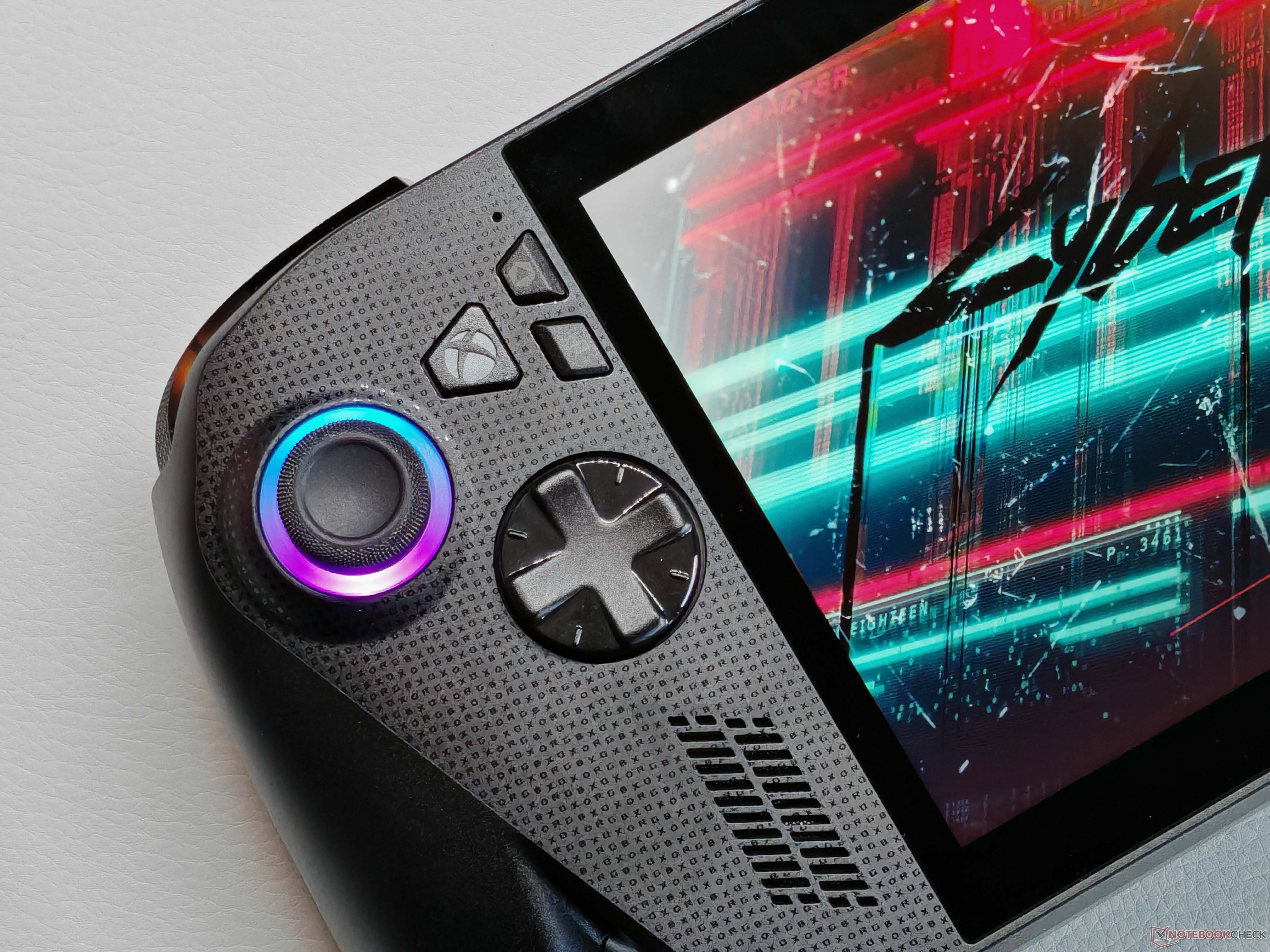
Microsoft’s new Xbox full-screen experience makes Windows gaming feel more cohesive, especially on handhelds and living-room setups. Menus are cleaner, navigation is faster with a controller, and background services are pared down to reduce clutter. The catch: it’s still an interface layer on top of Windows rather than a deeply integrated gaming OS, and that limits how much it can boost raw performance.
In testing, we didn’t see measurable performance gains over standard Game Mode. Both approaches disable unnecessary background tasks, and in real games the new full-screen view didn’t deliver higher frame rates or smoother frametimes. As a front end, it’s a clear usability win; as a performance upgrade, it’s largely neutral.
One advantage is flexibility. You can jump from the Xbox full-screen view back to the Windows desktop when you need traditional apps or settings. Realistically, many players may stick to the console-like interface most of the time. For future updates, deeper system-level optimizations would be welcome—even if that means requiring a restart when switching to the full desktop. If the trade-off is better frame rates, lower latency, and more consistent power management, most gamers would take it.
That focus on deeper integration matters because alternative gaming operating systems show what’s possible. In a review of the Lenovo Legion Go S, the same AMD Ryzen Z2 Go hardware ran 30–35% faster under SteamOS compared to Windows. That’s a substantial gap, and it underscores how much a tighter, gaming-first OS can extract from identical silicon.
Of course, switching platforms comes with compromises. You can install SteamOS on certain handhelds, including the Ally X, or opt for a community-driven option like Bazzite, but you may lose access to parts of your library or specific launchers. For many players, broad compatibility still makes Windows the safest choice—even if that means leaving some performance on the table.
Right now, the Xbox full-screen experience is a strong step toward a streamlined, console-like interface for PC and handheld gaming. To truly move the needle, the next steps should prioritize heavier OS-level optimization so it’s more than a polished shell. If Microsoft can close the performance gap while preserving Windows’ unmatched game and app support, it will be a win for everyone.
For a deeper dive into how the new full-screen mode feels on current handheld hardware, check out our review of the latest Ally X.