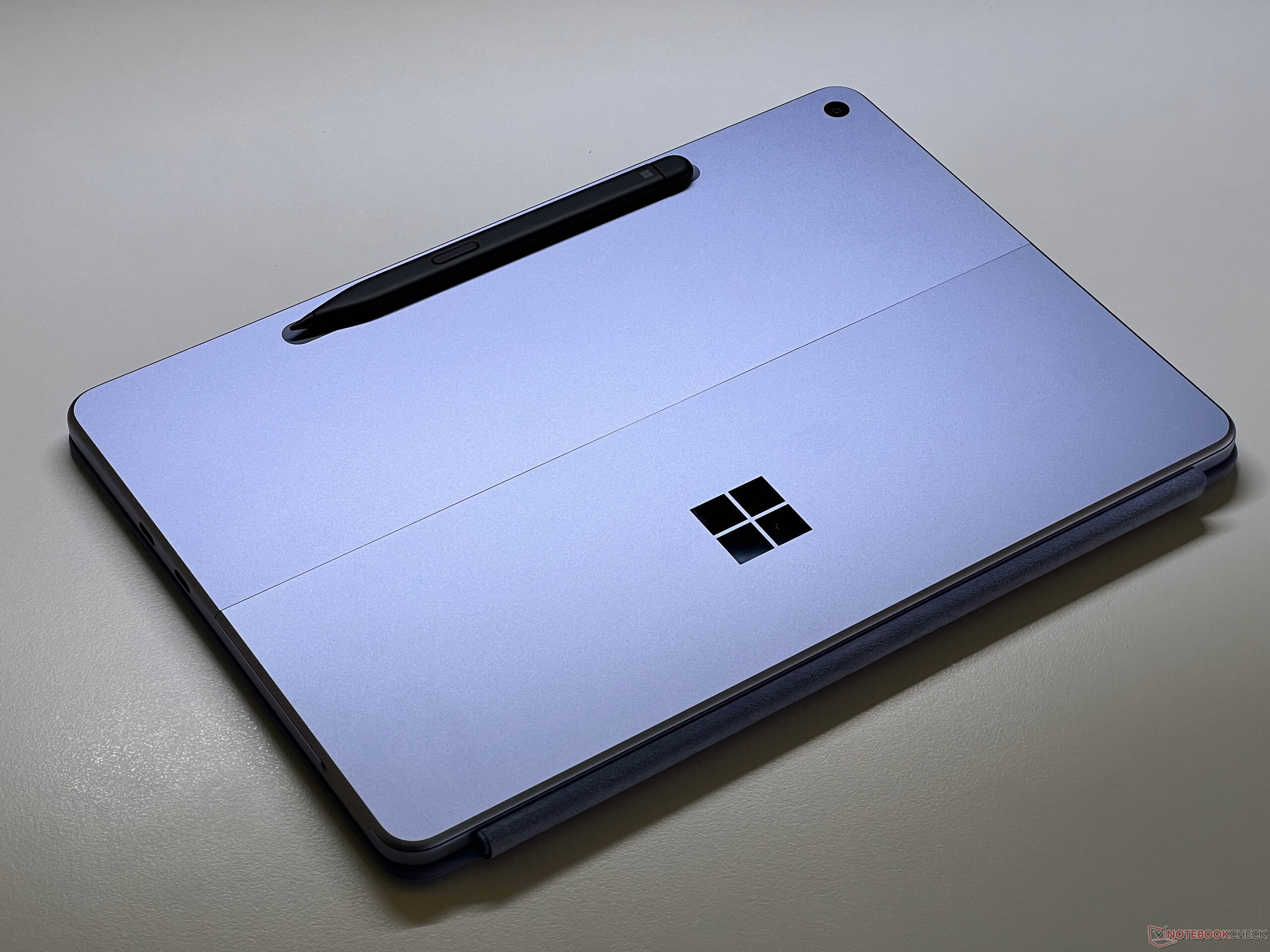
Microsoft has quietly made several Surface laptops more expensive, raising prices by roughly $100 to $300 depending on the model. The changes mainly affect current Snapdragon-powered Surface devices, and they arrive at a time when consumers are already seeing higher costs across electronics and subscriptions.
The updated pricing appears to hit entry-level configurations in particular. These are the models typically sold with 16 GB of RAM, 512 GB of storage, and a Snapdragon X Plus processor. The 15-inch Surface Laptop configuration referenced in the report uses a Snapdragon X Elite chip. While these are positioned as accessible, everyday productivity machines, the new pricing makes that “value” pitch harder to justify for shoppers comparing options in the same premium-laptop bracket—especially against Apple’s lineup, which is often viewed as highly competitive at similar price points.
Microsoft has attributed the increase to higher memory and component costs, saying it is updating prices for its current-generation Surface hardware portfolio due to recent cost increases in parts. That explanation may account for some of the jump, but it has also raised eyebrows because memory pricing hasn’t been surging dramatically and, in some forecasts, is expected to soften rather than spike.
As a result, some observers believe the pricing adjustment could be serving another purpose: setting new expectations ahead of upcoming Snapdragon-based Surface releases. With next-generation Snapdragon X2 Plus models rumored to arrive after higher-end Snapdragon X2 Elite systems have started appearing, Microsoft may be repositioning today’s Surface pricing to make future launches feel more “normal” in a higher price tier.
For anyone shopping right now, the practical takeaway is simple: if you were considering a Snapdragon-powered Surface as an affordable Windows productivity laptop, it may be worth re-checking current pricing and comparing alternatives carefully. A $100–$300 bump can quickly push a once-entry-level configuration into a category where performance-per-dollar comparisons get much tougher.