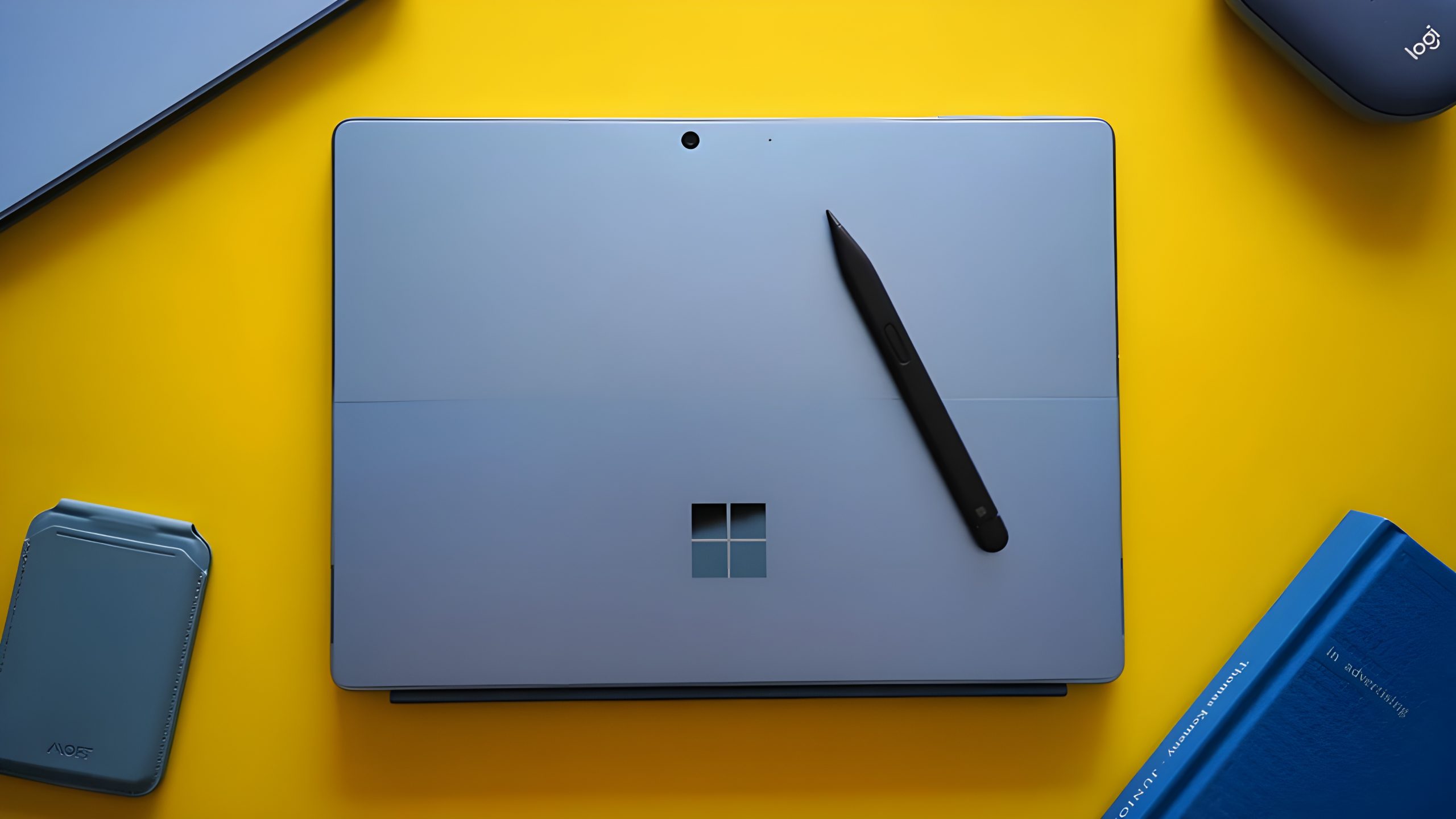
Microsoft is reportedly preparing a major supply chain shift as trade tensions between the United States and China flare once again ahead of a planned summit between Donald Trump and Xi Jinping. According to a new report, the company aims to move production of key Surface laptop components and associated assembly out of China by 2026. While the destination hasn’t been named, the move aligns with a broader industry push to diversify manufacturing beyond mainland China to reduce geopolitical risk.
The report adds that Microsoft has already relocated portions of its server production and is exploring ways to build more Xbox consoles in a third country. If executed at scale, these changes could reshape where some of the world’s most popular PCs, consoles, and cloud infrastructure are made, while potentially improving resilience against tariffs, export controls, and logistics disruptions.
Microsoft isn’t alone in rethinking its manufacturing footprint. Apple is said to be ramping up plans to build a range of upcoming home devices in Vietnam through BYD’s facilities. The rumored lineup includes a HomePod with a 7-inch display, new security cameras, and a tabletop AI robot, underscoring how consumer tech heavyweights are spreading production across Southeast Asia and beyond.
The timing is no accident. US–China relations remain strained, with fresh Chinese curbs on rare earth metal exports adding another layer of uncertainty for electronics manufacturers that rely on these critical inputs. On the US side, Trump has threatened a new 100 percent tariff on top of existing duties for Chinese imports, which could lift the overall rate near 130 percent if enacted. For companies selling cost-sensitive consumer hardware like laptops and gaming consoles, those numbers are a powerful incentive to diversify.
What this means for consumers and the industry:
– Potentially more resilient supply chains that are less exposed to a single country’s policy shifts or lockdowns
– A gradual rebalancing of where high-value electronics are designed, sourced, and assembled, with Southeast Asia emerging as a key hub
– Possible pricing and availability implications for products like Surface devices and Xbox consoles during the transition, depending on how quickly new lines ramp and how tariffs evolve
– Knock-on effects for component suppliers, logistics partners, and regional workforces as production footprints change
Key details to watch in the months ahead include Microsoft’s chosen manufacturing destinations, the scale and timing of Xbox production outside China, and whether further policy moves—such as expanded export controls or higher tariffs—accelerate the shift. For Apple, confirmation of Vietnam-based builds for its new home products would signal the company’s most aggressive diversification step yet in the smart home and AI accessory categories.
Bottom line: rising geopolitical friction and trade policy uncertainty are pushing global tech leaders to rethink long-standing manufacturing strategies. Microsoft’s reported plan to relocate Surface and Xbox production by 2026 is the latest sign that the center of gravity for consumer electronics assembly is steadily moving beyond China, with significant implications for cost, supply reliability, and product roadmaps.