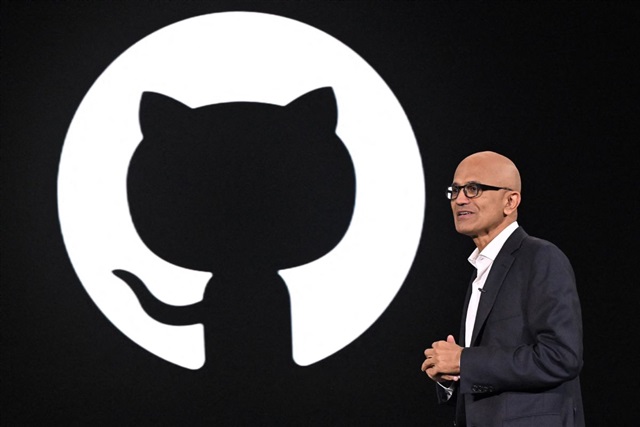
Microsoft is reshaping how it organizes teams and resources to give GitHub a bigger role in the future of software development, as AI-powered coding assistants rapidly change what developers expect from their tools. With competing products such as Cursor and Anthropic’s Claude Code gaining attention, the company is reportedly moving quickly to strengthen GitHub’s position, evolving it beyond a traditional code hosting service.
For years, GitHub has been the go-to home for repositories, version control workflows, pull requests, and collaboration. But the developer landscape is shifting fast. AI coding tools are no longer just helpful add-ons that suggest a line or two of code. They’re increasingly becoming full workflow companions that can generate features, explain codebases, fix bugs, and accelerate development from idea to deployment. That change is putting pressure on established platforms to deliver smarter, more integrated AI experiences.
The reported internal reorganization is designed to help Microsoft move faster in that direction. By realigning teams, focusing resources, and tightening coordination around GitHub, the goal is to turn the platform into a more complete developer destination—one that doesn’t just store code, but actively helps developers build it. In other words, GitHub is being positioned to compete directly in the new era of AI-assisted programming, where the best tools will be those that combine collaboration, automation, and intelligent coding support in one place.
This strategy also reflects a broader industry reality: developers want fewer disconnected tools and more unified workflows. If AI coding assistants can understand context across a repository, follow coding standards, work with pull requests, and support team collaboration, they become far more valuable than standalone “chat with code” experiences. By reorganizing around GitHub, Microsoft appears to be prioritizing this integrated approach—making it easier for developers to write, review, and ship code with AI built deeper into the platform.
The timing is telling. AI coding assistants are one of the most competitive areas in developer technology right now. New products are racing to become the default interface for programming, while established platforms are working to ensure they remain central to daily development work. For GitHub, the challenge isn’t just adding AI features—it’s keeping developers inside its ecosystem by making the AI experience feel native, seamless, and genuinely productive.
If the restructuring delivers what it aims for, developers could see GitHub become more than a repository hub. The platform may increasingly serve as an end-to-end environment where AI helps with coding, debugging, collaboration, and project momentum—helping Microsoft defend GitHub’s leadership while matching the pace of newer AI-first competitors.