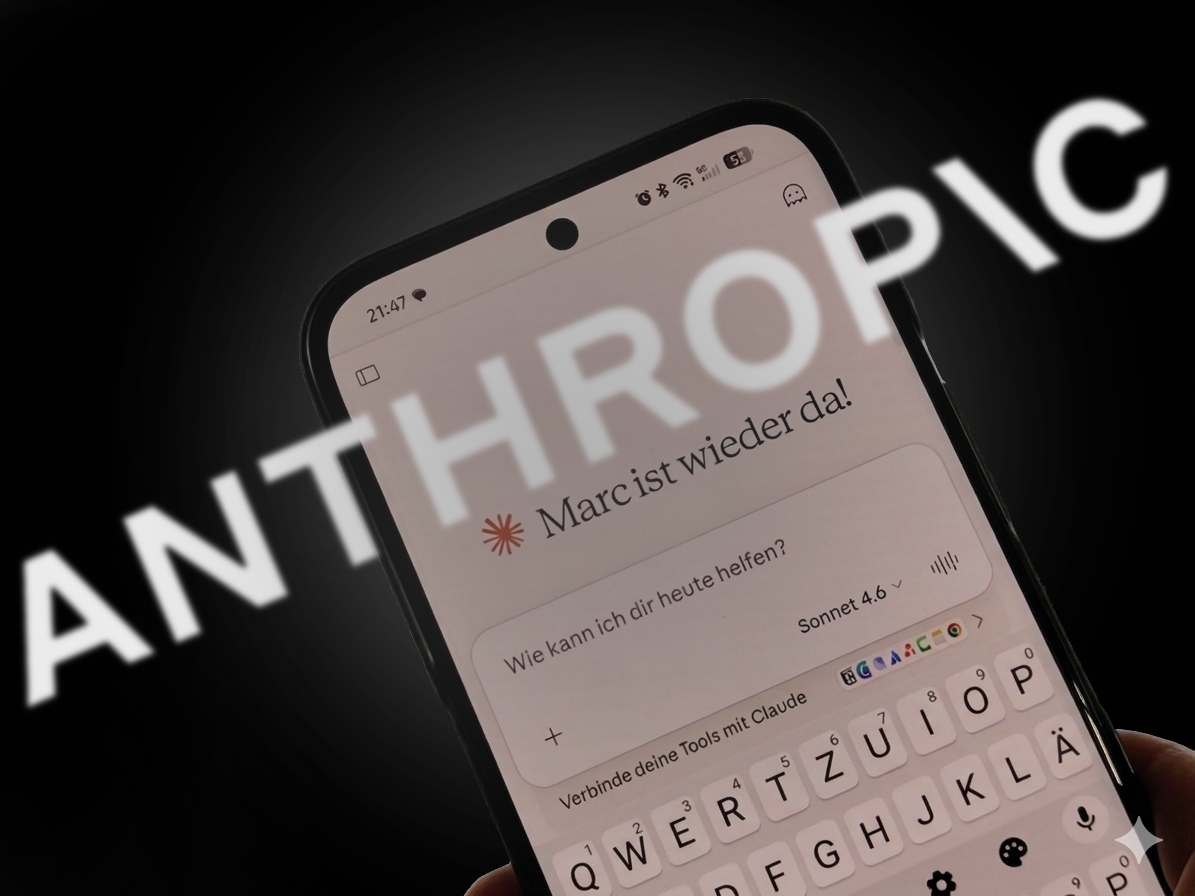
Anthropic is facing renewed scrutiny after an accidental leak in late March exposed more than half a million lines of “Claude Code” source code. In response, the company moved quickly to limit how widely the leaked material could spread, filing DMCA takedown requests with platforms such as GitHub and others. But the crackdown didn’t just target repositories that appeared to host the leaked code. It also reportedly wiped out around 8,100 legitimate repositories that were using Anthropic’s official codebase, alongside roughly 100 repositories tied more directly to the leak.
After the backlash from developers whose work was removed despite having nothing to do with the leak, Anthropic walked back the broad takedowns and issued an apology. Even so, the early timing and intensity of the takedown effort has raised an uncomfortable question for critics: was this purely copyright enforcement, or an attempt to erase evidence before independent researchers could analyze what the code was actually doing?
What researchers say they found in the leaked Claude Code
As the leaked source was examined, several allegations began circulating, focusing on privacy, transparency, and safety controls. While these claims stem from analysis of leaked code and public reporting, they have fueled a growing debate about what AI coding assistants should be allowed to collect, store, and decide on a user’s behalf.
1) Sentiment analysis that flags frustration
One of the most talked-about findings is the presence of sentiment analysis features. The claim is that Claude Code scans user prompts for signs of frustration—phrases such as “this sucks” or “so frustrating”—and stores those prompts for later analysis. Critics argue that tracking emotional cues inside developer prompts crosses a line, especially if users aren’t clearly informed that emotional state signals may be recorded and reviewed.
2) Identity concealment to make AI output look human
Another allegation centers on deliberate deception: functions that remove internal identifiers, such as references to “Claude Code,” when generating or contributing code to public projects. The stated concern here is attribution and transparency. If AI-created or AI-assisted code is intentionally stripped of indicators that it came from an AI tool, it can leave maintainers and the wider community with the impression that a human authored everything end-to-end.
3) The “YOLO” autonomy mechanism for tool authorization
A feature referred to as “YOLO” (“You Only Live Once”) has also drawn criticism. The dispute is over how tool authorization is handled. According to the analysis, instead of relying strictly on tightly defined, rule-based controls that require user confirmation, the system can allow the AI to decide whether an action should be executed without asking the user each time. In other words, the AI both evaluates risk and approves the action.
To safety-minded researchers, that creates an obvious conflict: an AI system should not be both the decision-maker and the enforcer for sensitive actions, especially when the action could affect files, environments, or output in ways a user didn’t explicitly approve.
4) Broad local file access and uploading to the cloud
The most serious privacy concern raised by researchers is the claim that Claude Code doesn’t merely read a narrow set of files relevant to a task, but can ingest the entire local working directory—effectively acting like a “vacuum.” The allegation is that if the tool can “see” a file on a developer’s machine while working, a copy may be uploaded to Anthropic’s cloud.
If true, this has major implications for anyone working with proprietary code, credentials, confidential documents, client data, unreleased products, or sensitive internal notes. It also intensifies questions about data retention, access controls, and whether users can reliably prevent sensitive files from being collected.
Why the DMCA response made the controversy worse
The takedown campaign is now being framed by critics as part of the story, not just a reaction to it. Because the initial DMCA wave reportedly removed thousands of legitimate repositories, some observers argue it looked less like targeted protection of intellectual property and more like a rushed effort to scrub the code from view before detailed analysis could go mainstream.
The optics matter: when a company appears to overreach with takedowns—then later retreats and apologizes—it can create the impression that the contents of the leak were more damaging than the leak itself.
A potential trust problem for AI coding assistants
The emerging narrative from the leak analysis paints a picture that many developers find troubling: an AI assistant that may monitor emotional signals, reduce transparency about AI involvement, make autonomy decisions under a “YOLO”-style mechanism, and copy local files into the cloud. Whether every interpretation holds up under scrutiny or not, the allegations are already putting pressure on what users expect from AI coding tools—clear consent, minimal data collection, strong local protections, and transparent attribution.
Adding to the concern, security researcher Nicholas Carlini demonstrated how powerful Claude Code could be in the wrong context, using it to enable a highly efficient attack that reportedly cracked the FreeBSD operating system in about four hours. That example is likely to intensify calls for tighter safeguards around tool permissioning, model behavior, and how much authority an AI agent should have when interacting with real systems.
Where this goes next
If there’s one lasting takeaway from the Claude Code leak, it’s that developer trust is fragile. AI coding assistants live inside the most sensitive environment many people have: their source code, their terminals, their private notes, and their company’s intellectual property. Once users suspect that an assistant might quietly upload files, track emotions, or disguise its own fingerprints, regaining confidence becomes far harder than issuing a takedown or an apology.
In the coming weeks, attention will likely stay focused on whether Anthropic offers clearer technical explanations, stronger user-facing controls, and more transparent disclosures about what data Claude Code can access, what gets stored, and how permissions are enforced.


