Microsoft outage linked to hotel pool chlorine incident in Germany
A major Microsoft cloud outage had unexpected real-world consequences in Germany after a hotel swimming pool system reportedly failed to deliver a critical safety alert. More than a dozen guests at a theme park hotel were injured when excessive chlorine entered the pool area, leading to respiratory irritation and emergency response at the scene.
According to local reports, the incident happened on Friday afternoon at a hotel in Brühl, Germany. The pool’s chlorine dosing system is said to rely on email notifications as part of its maintenance and safety monitoring process. When chlorine levels rose too high, the system attempted to send a warning message. However, that email reportedly did not reach the responsible staff because Microsoft’s Exchange cloud services were experiencing widespread disruption at the time.
The failure of a single alert had serious consequences. Emergency crews were called to the hotel after chlorine gas exposure was reported in the pool and sauna area. Around 40 first responders attended the scene, and 15 people required medical triage. Several guests complained of breathing problems and irritation caused by the chlorine exposure.
Four people were taken to hospital for further treatment. Most were later released, while one person reportedly remained under observation due to an injury related to the incident.
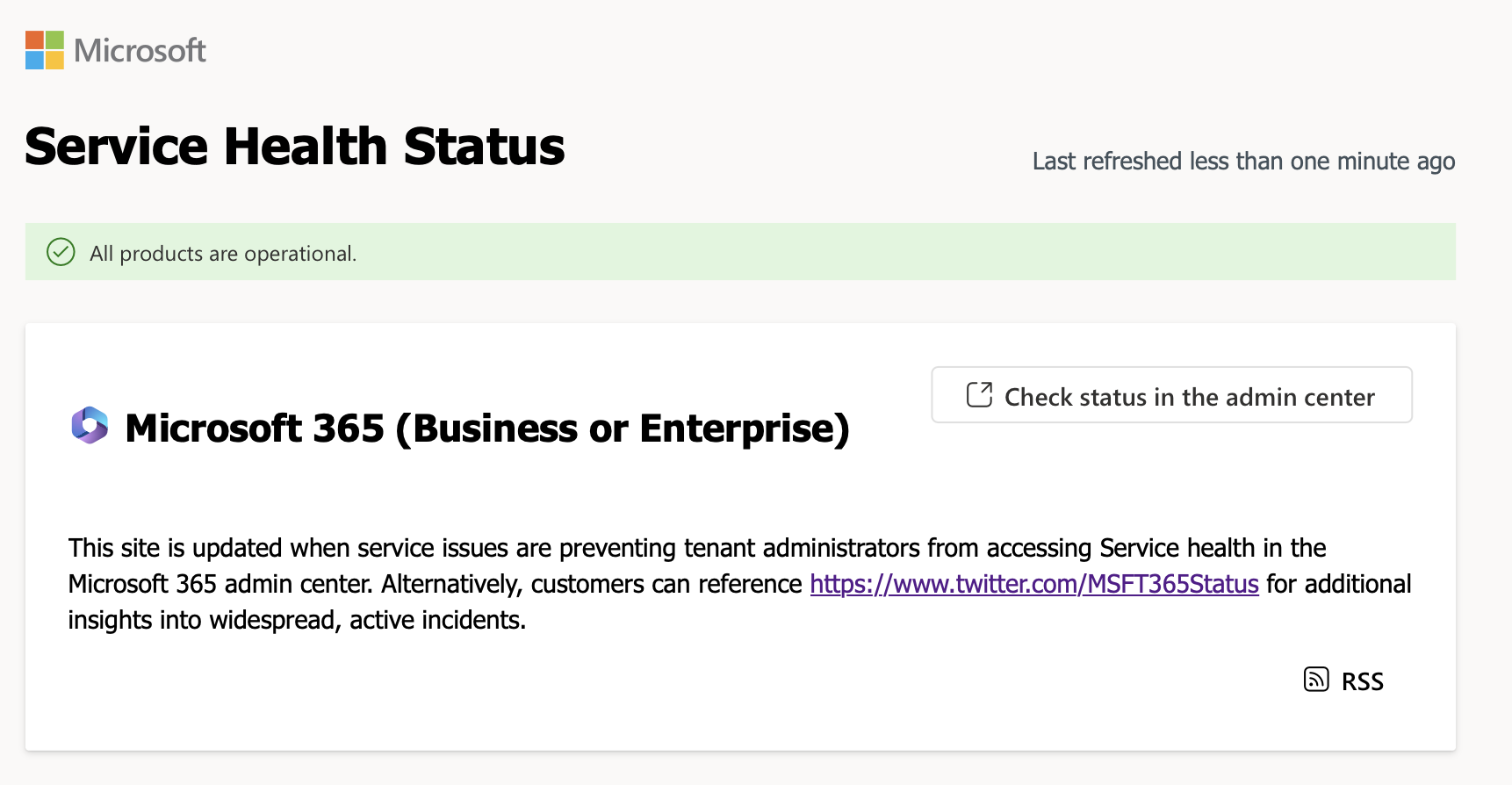
The Microsoft outage affected a broad range of services across different industries, including hospitality, transport, and airline operations. Microsoft later confirmed that the issue had been resolved, with service status returning to normal after fixes were completed on the morning of November 14 in European time.
While the technical problem has now been addressed, the hotel pool incident has raised wider concerns about the growing dependence on cloud infrastructure for essential safety systems. Email is useful for routine communication, but this case highlights the risk of relying on it for time-sensitive warnings involving public health and safety.
Safety experts often recommend that critical systems use multiple layers of alerts, such as local alarms, direct control-room notifications, SMS warnings, automated calls, and fail-safe shutdown mechanisms. In environments such as swimming pools, spas, hotels, factories, and medical facilities, delayed alerts can quickly turn a technical fault into a hazardous situation.
The chlorine incident in Germany serves as a reminder that cloud outages are not only digital inconveniences. When connected systems control or monitor physical environments, service disruptions can have immediate consequences for people on-site.
Microsoft has since restored its affected services, but the event may prompt businesses to review how they handle emergency alerts, especially when those alerts depend on third-party cloud platforms. For hotels and leisure facilities, the key lesson is clear: critical safety warnings should never rely on a single communication channel.