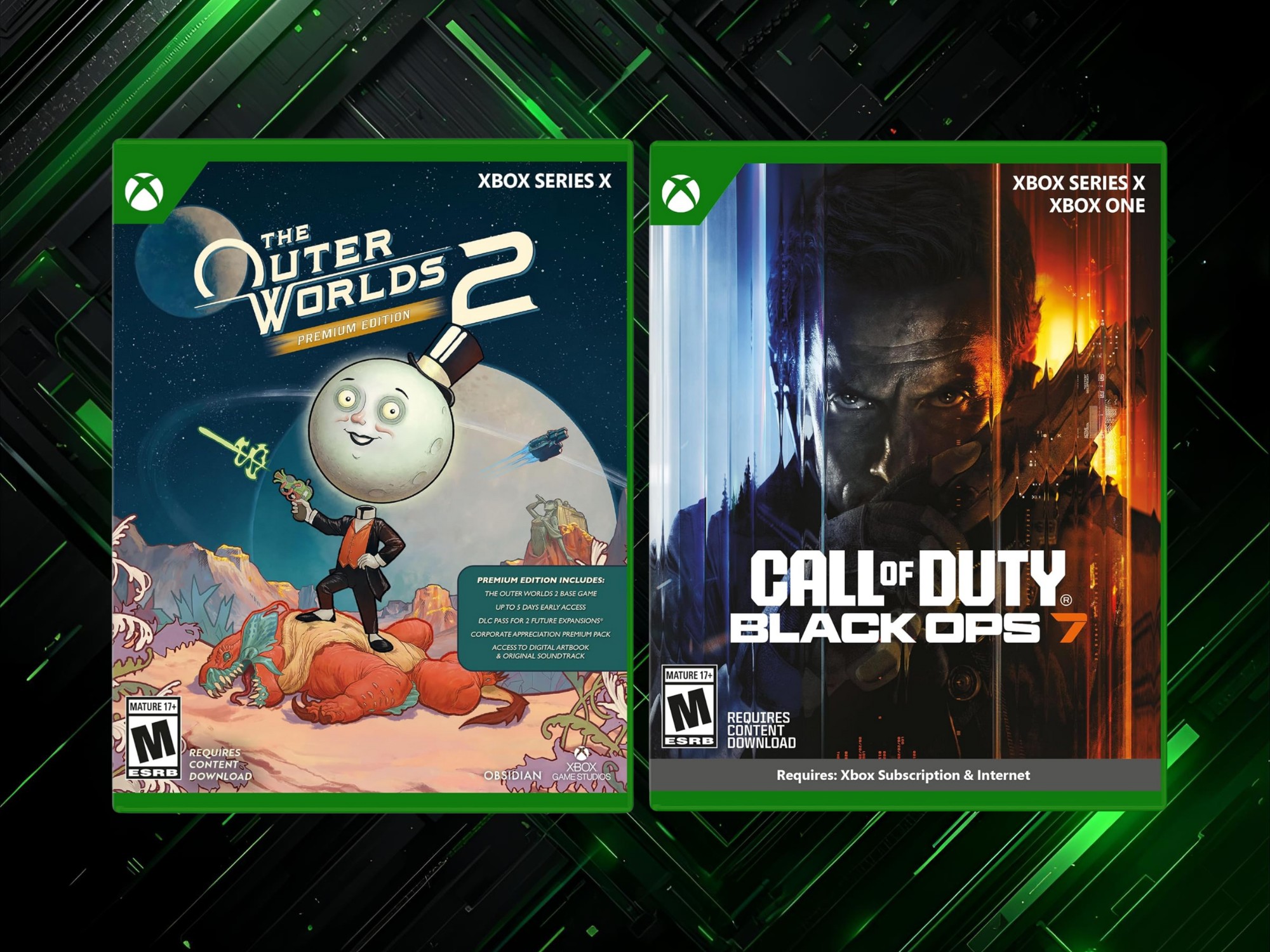
Microsoft is hitting gamers with higher costs in a lot of places lately, but there’s one line the company isn’t eager to cross just yet: raising the price of new first-party Xbox games to $80.
Even as Xbox console prices and Game Pass fees climb, Microsoft has largely kept its biggest in-house releases at $70 or less. In a recent interview, Microsoft President of Game Content & Studios Matt Booty addressed the growing chatter around $79.99 games and explained why the company has stepped back from making $80 the new normal for its own titles—at least for now.
Why $80 Xbox games aren’t happening immediately
The $80 conversation heated up ahead of The Outer Worlds 2, after reports suggested it would land with a $79.99 MSRP. There was also speculation that Call of Duty: Black Ops 7 could have been positioned at a higher price point too. But with gaming already feeling less affordable for many players, Microsoft appears to have decided that pushing game prices higher right now would only add more pressure at a time when fans are already frustrated about costs across the ecosystem.
Booty didn’t promise $80 games will never happen, but his comments strongly suggest Microsoft isn’t rushing to make that jump. He also made it clear there are currently no new announcements on game pricing.
Microsoft’s strategy: focus on “value,” monetize beyond the base game
So how does Microsoft plan to make its blockbuster releases more profitable without increasing the upfront price?
Booty pointed to “delivering player satisfaction and delivering player value” as the guiding principle. He also emphasized the ability to offer optional content that lets players spend based on their own budget. In other words, instead of forcing everyone to pay more at checkout, Microsoft can lean harder on add-ons and post-launch purchases—giving the company more monetization opportunities while keeping the base price stable for players who just want the core game.
That approach also suggests Microsoft is thinking less about the day-one sticker price and more about the long-term revenue a game can generate after launch.
Listening to fans—while costs keep rising
Booty said Microsoft will continue to listen to fan feedback, but he also acknowledged the financial realities game studios face. Development costs remain a major factor, and the broader economy isn’t making big-budget production any easier.
Still, some players may question how much fan feedback influences decisions, especially considering the recent increases on Xbox Series X and Series S hardware and the higher costs tied to subscription tiers. Those changes sparked backlash, and the lack of major Black Friday discounts on Xbox consoles only added fuel—particularly as competing platforms saw at least temporary price cuts in certain regions and bundles.
Game Pass keeps expanding, but its price is becoming a flashpoint
While the traditional “console war” narrative is fading, Xbox Game Pass is increasingly positioned as a wider, multi-platform gaming service—and that shift comes with its own controversy. The Game Pass Ultimate tier now costs $29.99 per month, and the price jump has reportedly pushed some subscribers to cancel.
That reality makes Microsoft’s hesitation to introduce $80 first-party games easier to understand. If monthly subscription costs are already testing customer loyalty, adding another premium bump to game purchases could risk even more backlash.
The bigger question: are higher game prices still coming?
Even if Microsoft holds the line at $70 for now, the entire industry is facing cost pressures. Hardware affordability could also get worse due to ongoing memory shortages, which may increase manufacturing costs across consoles and other gaming devices.
Whether Microsoft—or Sony and Nintendo—eventually uses higher game prices to offset those rising costs remains uncertain. For the moment, Microsoft’s position seems clear: no immediate change, no new pricing updates, and a stronger focus on optional spending rather than a mandatory $80 entry fee.